
My neighbour Susan knocked on my door last spring holding what looked like a wooden chair that had been through three decades of Pacific Northwest weather. "You know about this stuff," she said, gesturing at the weathered piece. "Is this worth saving, or should I just toss it and buy something new from that big box store?"
I ran my hand along the armrest. Solid teak underneath all that grime and weathering. The joinery was still tight despite years of neglect. "This is better than ninety percent of what you'll find in stores today," I told her. Twenty minutes later, we were dragging it into my workshop.
That chair got me thinking about how we approach outdoor furniture. Most people treat garden furniture like it's disposable, buying cheap stuff that falls apart after a season or two. But what if we flipped that thinking?
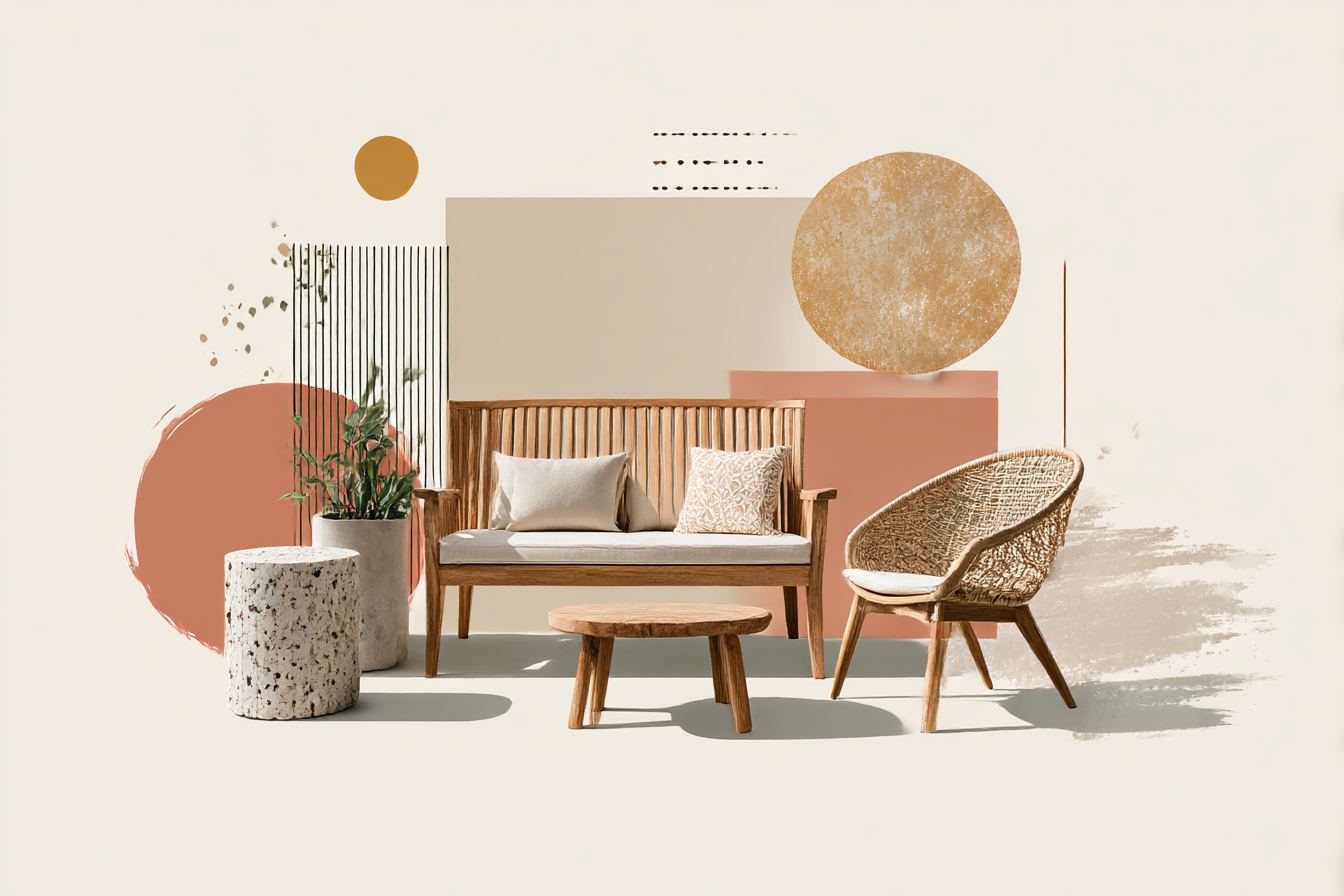
What if we chose pieces that actually got better with age, that could handle weather without falling apart, and that didn't contribute to the endless cycle of manufacturing and waste?
The teak chair taught me something important. After a good cleaning and some oil treatment, it looked incredible. Better than new, actually. The wood had developed this beautiful patina that you can't fake in a factory. Susan ended up asking me to help her find matching pieces because she'd fallen in love with how substantial and real it felt compared to the plastic stuff she'd been using.
Here's what most people don't realise about outdoor furniture: the cheap stuff costs more in the long run. I've watched friends replace their entire patio sets every few years because the materials just can't handle weather. Meanwhile, my parents still use cedar Adirondack chairs that my dad built in 1987. They've been refinished maybe three times. That's it.
When I'm helping clients choose garden furniture, I always start with the same question: how long do you want to keep it? If the answer is "a few years," then sure, go cheap. But if you're looking for something that becomes part of your outdoor space for decades, you need to think differently about materials.
Wood is where I usually point people first, but not all wood is created equal. Teak is fantastic if you can find it responsibly sourced, but it's expensive and often comes from questionable sources. Cedar and redwood are better options for most people. They're naturally rot resistant, readily available in North America, and age beautifully. I've seen cedar furniture that's been outside for twenty years and still looks great with minimal maintenance.
The key with wood is understanding what you're getting. Solid wood construction versus veneer over particleboard. Mortise and tenon joints versus screws and brackets. These details determine whether your furniture lasts decades or falls apart after the first winter.
I learned this lesson the hard way with a "teak" dining set I bought early in my career. Looked beautiful in the showroom. Six months later, the veneer was peeling off the particleboard core, and the whole thing was heading for the landfill. That's when I started really paying attention to construction methods and material specs.
You Might Also Like

Recycled materials offer another interesting path. I've seen incredible furniture made from recycled aluminium that looks nothing like the flimsy stuff you might expect. The key is finding manufacturers who are actually committed to quality, not just using "recycled" as a marketing hook. One company I work with takes old storm doors and windows and turns them into gorgeous outdoor dining sets. The aluminium is already weatherproof, and the process keeps materials out of the waste stream.
Plastic gets a bad rap, and honestly, most of it deserves it. But there are exceptions. I've found a few manufacturers making outdoor furniture from recycled ocean plastic that's genuinely impressive. Not just environmentally responsible, but actually beautiful and durable. The trick is distinguishing between these serious efforts and the greenwashing that floods the market.
Last fall, I helped a couple in Bellingham furnish their new deck. They wanted something that looked good, could handle weather, and aligned with their environmental values. We ended up with a mix: recycled teak dining table from a company that sources from old buildings, cedar benches from a local craftsman, and cushions made from Sunbrella fabric (which isn't natural but lasts forever and keeps polyester out of landfills because you're not replacing it every year).
The total cost was more than they would have spent at a big box store, but when I ran the numbers over a ten year period, it actually came out cheaper. Plus, they got furniture that looks better every year instead of worse.
One thing I always tell people: don't feel like you have to furnish everything at once. Start with one good piece and build from there. That approach lets you invest in quality without breaking the bank, and you can take time to find pieces you really love instead of settling for what's available right now.
Maintenance matters too. Even the best outdoor furniture needs some care. Oil treatments for wood, occasional cleaning for metal, proper storage or covers during harsh weather. This isn't a downside; it's actually one of the benefits. Taking care of your furniture connects you to it in a way that throwing away and replacing never can.
I keep thinking about Susan's chair. It's been a year now, and she's found three more pieces to go with it.
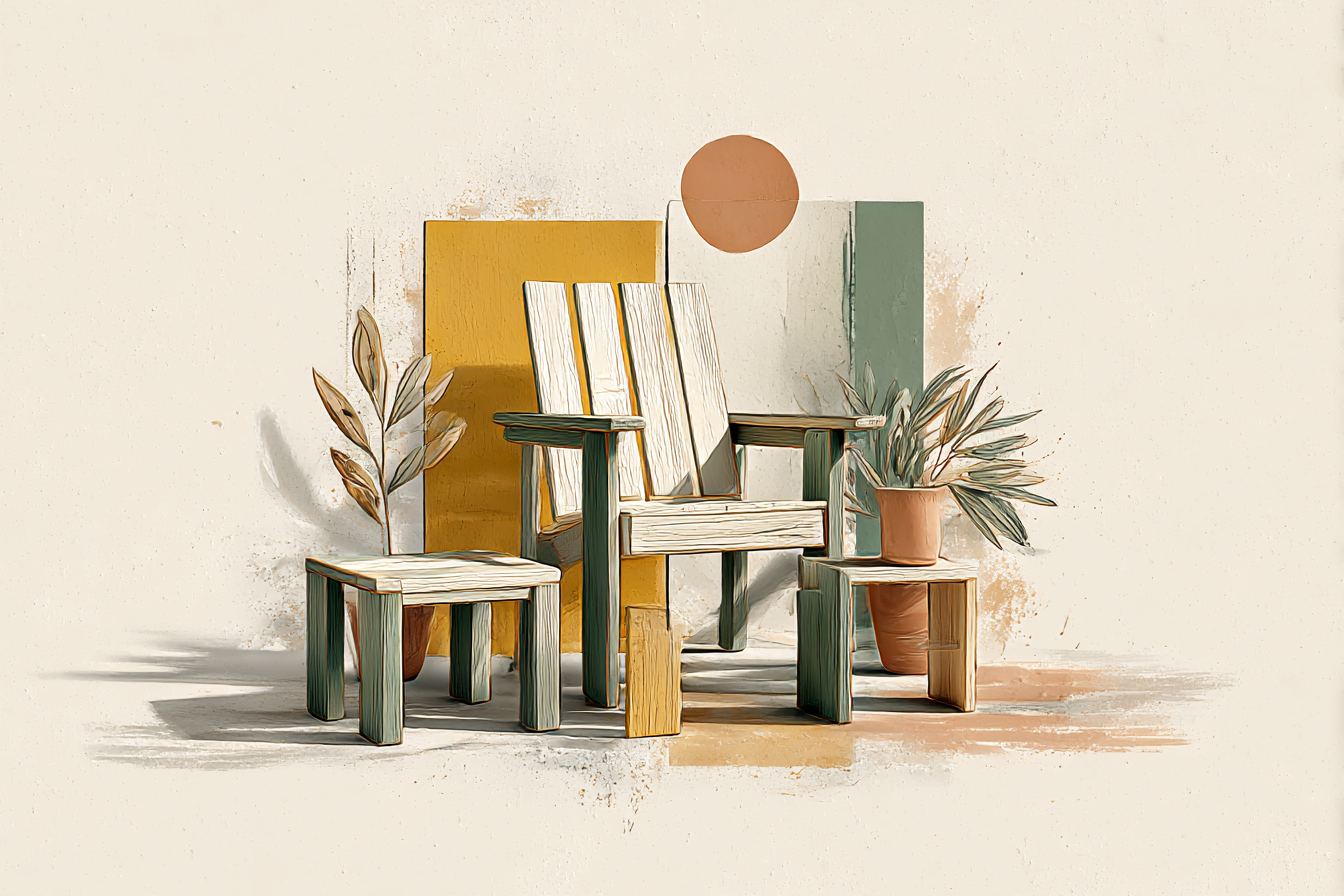
Her patio has this cohesive, lived in look that you just can't get with new furniture. Friends ask her where she got everything, and she loves telling the story of each piece.
That's what good outdoor furniture should do. Create stories, not waste. Support your outdoor life for decades, not seasons. Connect you to materials and craftsmanship that matter, not just the cheapest option available.
The funny thing is, once you start paying attention to quality and sustainability in outdoor furniture, you start seeing those principles everywhere else too. It's contagious in the best way. Susan's now asking me about sustainable flooring for her kitchen remodel. One good chair led to completely rethinking how she approaches her home.