
So I’m dealing with this philodendron that’s basically taken over my kitchen windowsill – you know how plants sometimes decide they know better than you do about where they should live? – when I get this email from a trauma counselor in Portland. She’d found my blog somehow and wanted to talk about redesigning their therapy centre, which she described as looking “like a dentist’s waiting room had a baby with a government building.”
Not exactly what you’d want when you’re trying to help people work through difficult stuff, right?
This got me thinking about something I’ve been noticing more lately – how the spaces where we’re supposed to feel better often feel… well, terrible. You know that particular combination of fluorescent lights, beige walls, and that smell that’s like industrial cleaner mixed with stress? My kids’ pediatrician’s office has it. The school counselor’s room has it.

Even some of the family therapy places we looked into when my son was having a rough patch had it.
I mean, I get why these places look the way they do. Clean and professional, signals that they take health seriously. But there’s got to be a middle ground between “sterile medical facility” and “my living room,” right?
I ended up visiting three different therapy centres last month that had tried something different. The first one was in Vermont, in this converted farmhouse. The counselor there had kept the original wide-plank floors and exposed beams, added these living walls in the waiting areas, and replaced all the harsh lighting with LEDs that actually changed throughout the day (I didn’t even know you could buy those for a reasonable price until I looked them up).
What really struck me wasn’t just how peaceful it felt, but how differently people acted there. Kids arrived early and hung around after sessions instead of bolting for the door. I watched this teenager spend like twenty minutes just touching the bark on a small indoor tree before her appointment. Her therapist mentioned that connecting with natural textures helped this kid regulate her emotions better than any of the breathing techniques they’d tried.
And there’s actual science behind this stuff – it’s not just feelgood nonsense. When we touch natural materials like wood or stone, our stress hormone levels drop measurably. When we look at patterns found in nature (tree branches, leaf shapes, water ripples), our brain activity shifts in ways that help us relax and focus. When we breathe air that’s been filtered through living plants, we’re literally getting cleaner air with more oxygen.
But here’s what I learned the hard way – you can’t just throw some plants into a clinical space and call it “nature-inspired.” I helped with a project in Chicago last year where they wanted to make their behavioral health clinic’s waiting room more welcoming. Decent budget, good intentions. We added beautiful reclaimed wood panels, brought in a water feature, got some impressive plants.
It looked better, sure. But it felt weird. Like wearing nice shoes with sweatpants – the individual pieces were fine, but together they sent mixed messages. The water feature actually made things worse because the pump noise competed with the HVAC system, creating this annoying background hum that made people more anxious, not less.
That failure taught me you have to think about the whole environment, not just add natural elements on top of an artificial foundation. If most of your surfaces are still synthetic materials, if your air is still just recirculating through mechanical systems, if your lighting is still harsh and constant all day – adding a few plants isn’t going to create the healing effect you’re hoping for.
The Portland counselor’s building had some serious challenges. 1960s concrete construction, tiny windows, drop ceilings hiding who knows what kind of infrastructure problems. But the owner understood that their current environment might actually be working against their therapeutic goals, which is more awareness than you usually get.
You Might Also Like
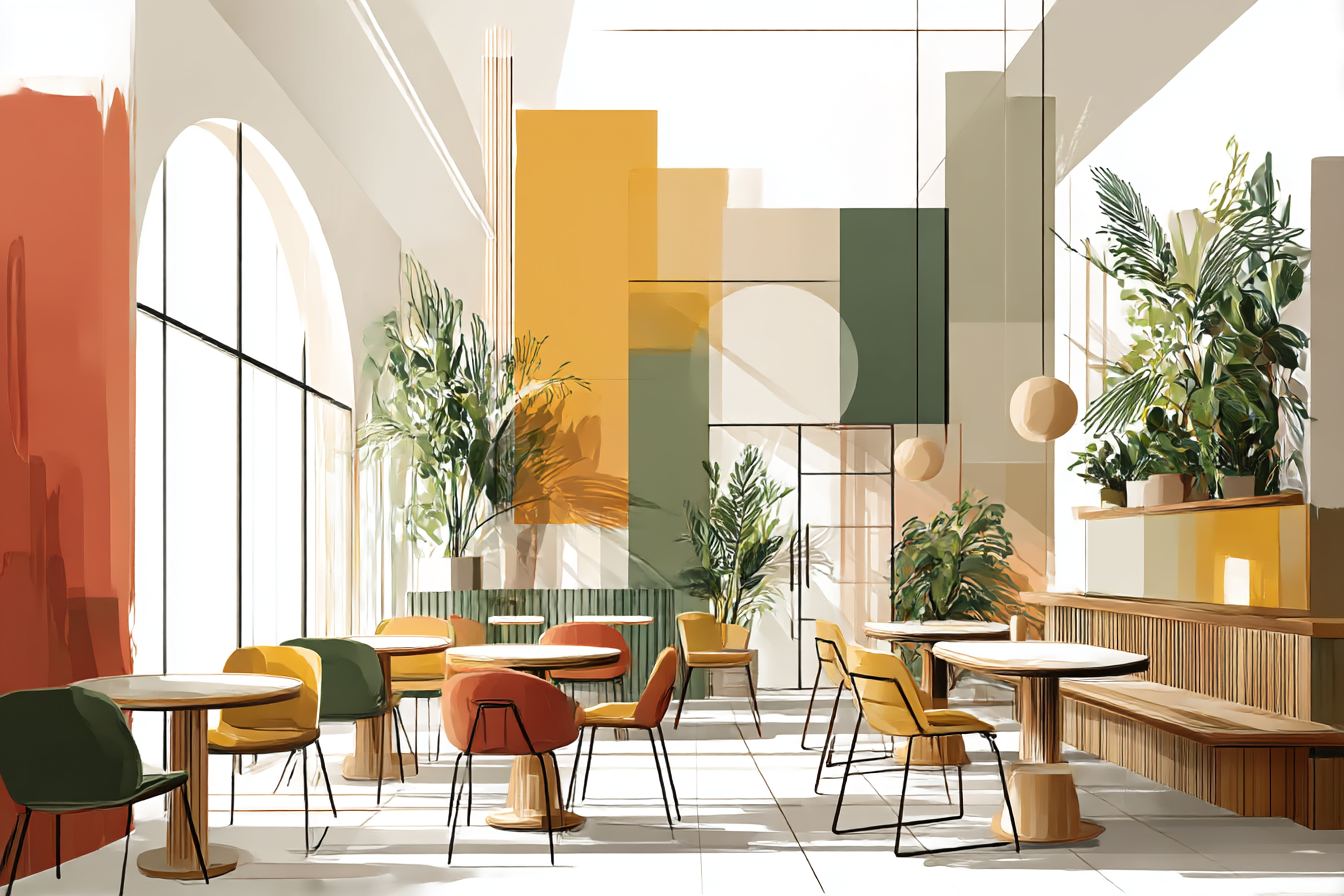
We started with lighting because that’s often where you can make the biggest difference for the least money. Ripped out those old fluorescent fixtures and installed a layered lighting system that could mimic how natural light changes throughout the day. Added several small skylights (required some creative problem-solving with the structural engineer, but totally worth it). The change in how the space felt was immediate.
Then we tackled air quality. The existing HVAC system was… well, let’s just say it had seen better decades. Instead of completely replacing it (budget killer), we added natural ventilation where possible and installed a living wall system that doubled as air filtration. We chose plants specifically for their ability to remove common indoor pollutants like formaldehyde – stuff that’s in most building materials and furniture.
For the water feature issue, this time I was smarter. Instead of a decorative fountain, we created a small indoor stream that actually irrigated the living wall system. The sound had a purpose beyond just being pleasant, and the movement added life to the space without feeling artificial.
Flooring was trickier because full replacement would have blown the budget. We kept some existing carpet but created zones with natural materials – reclaimed wood in high-traffic areas, natural fibre rugs in seating areas, even some stone pavers near the entrance. Giving people different textures to experience made the whole space feel more varied and interesting.
The results have been really encouraging. Client retention improved, staff reported feeling less drained at the end of the day, better focus during sessions. But the feedback that really got me was from a twelve-year-old dealing with anxiety issues: “This place doesn’t feel like the inside of a building anymore.”
That’s exactly what these healing spaces should accomplish – not just bringing nature indoors, but creating places where our nervous systems can actually relax. Where our senses are engaged in ways that promote calm alertness instead of that vigilant stress response we get in most institutional settings.
I’m documenting the measurable outcomes from these kinds of space changes now – reduced appointment cancellations, better engagement in treatment, even some correlation with faster progress on therapeutic goals. Insurance companies are starting to pay attention, which could make these approaches more accessible to facilities that couldn’t otherwise afford major renovations.
What excites me most is thinking about how these principles could work in other places where people need to feel safe and supported. I’m talking with an addiction recovery centre next month, and several pediatric practices have reached out. Really, anywhere families are dealing with stress or trauma could benefit from environments that work with human biology instead of against it.
My son’s ADHD means we spend time in various therapeutic and medical settings, and I’m always noticing how the environment affects his ability to regulate and focus. Harsh lighting makes him more hyperactive. Rooms with no windows make him restless. But give him a space with plants, natural light, and materials he can touch, and he’s visibly calmer.
It’s made me more aware of how my kids’ school environments could be better designed too. All those windowless classrooms with fluorescent lights and vinyl everything – no wonder kids struggle with focus and mood issues.

I’ve been working with our PTA to at least get some plants in classrooms and maybe upgrade some of the lighting, though change is slow when you’re dealing with school budgets and bureaucracy.
Sometimes the most powerful changes are the simplest ones. A view of trees from a counselor’s office. Wood surfaces that invite touch instead of plastic everything. Air that smells like living plants rather than cleaning chemicals. Light that changes throughout the day like it’s supposed to.
These aren’t luxury upgrades – they’re basic human needs that we’ve somehow decided are optional in the places where we’re supposed to get better. But every space that gets this right is proof that we can do better for our kids and families when they need support the most.