
Yesterday I found myself crouched behind a row of lockers at Roosevelt Elementary, watching something remarkable unfold. A third-grader named Marcus – who his teacher had quietly described as "challenging" – was completely absorbed in adjusting the position of a small potted jade plant on the windowsill. He'd been repositioning it for ten minutes, testing different angles to catch the morning light streaming through the classroom's new floor-to-ceiling windows.
This wasn't supposed to happen. I mean, according to traditional classroom management wisdom, giving an already distracted kid access to living plants should create more disruption, not less. But here was Marcus, demonstrating the kind of sustained focus his teacher hadn't seen from him all semester.
<blockquote>I'd been called in six months earlier when the school district decided to renovate their aging 1960s building. The original structure was your typical institutional box – fluorescent lighting, painted cinderblock walls, tiny windows positioned too high for kids to actually see out of them.

The kind of space that practically screamed "endure this until the bell rings."</blockquote>
The principal, Dr. Sarah Chen, had attended one of my workshops the previous spring. She approached me afterward with this slightly desperate energy that I've come to recognise in educators. "We've tried everything," she said. "Behavior charts, new curriculum, even aromatherapy diffusers. But our kids are still struggling with attention, anxiety levels are through the roof, and honestly? Half my teachers are burned out."
I get it. Really. Schools today are dealing with so much more than academic instruction – they're addressing mental health crises, attention difficulties, social-emotional learning, all while working within budgets that barely cover basic supplies. Adding "biophilic design principles" to that list can feel overwhelming.
<img class="size-full" src="http://wonkydogltd.co.uk/medium/wp-content/uploads/2026/01/im1979_restorative_school_design._ultra-realistichyper-detail_1d87def8-cf89-41b6-bb46-2932b22fbd4f_0.jpg" alt="im1979_restorative_school_design._ultra-realistichyper-detail_1d87def8-cf89-41b6-bb46-2932b22fbd4f_0" />
But here's what I've learned after working with dozens of schools: small changes in the physical environment can create ripple effects that address multiple challenges simultaneously. When we redesigned Roosevelt Elementary, we weren't just thinking about aesthetics. We were targeting specific physiological and psychological responses that research shows improve learning outcomes.
The transformation started with light – always my first priority. Those original windows were practically useless, positioned about eight feet up the wall like afterthoughts. We convinced the district to invest in larger, lower windows that actually let kids see outside. The difference was immediate. Teachers reported that students seemed more alert during morning lessons and less restless during afternoon sessions.
Natural light does fascinating things to developing brains. It regulates circadian rhythms, which affects everything from attention span to mood regulation. But beyond the science, there's something almost magical about watching a child's face change when they can actually see the weather, notice the seasons shifting, watch birds building nests in the courtyard.
Speaking of that courtyard – that became our centerpiece project. The original space was basically a concrete square with a few struggling shrubs around the perimeter. We redesigned it as what I call a "learning ecosystem." Raised beds for each grade level to maintain their own gardens. A small greenhouse where kids could start seedlings. Native plants selected specifically to attract local wildlife. Weather station equipment integrated into the space for hands-on science lessons.
The fundraising was… interesting. Initially, the PTA president questioned whether we really needed to spend money on "fancy landscaping" when the library needed new books. Fair point. But I showed her research from a school district in Colorado that saw standardized test scores increase by 15% after implementing nature-based learning spaces. That got her attention.
We ended up with a hybrid funding approach – the district covered major infrastructure like windows and HVAC improvements, while community fundraising handled the plants, materials, and smaller installations. Local nurseries donated plants. A lumber yard contributed reclaimed wood for our indoor planters. Parents with carpentry skills volunteered weekend labor.
The indoor changes were equally important but required more creativity. Budget constraints meant we couldn't gut and rebuild classrooms, so we focused on strategic interventions. Natural materials wherever possible – bamboo desk organizers instead of plastic ones, cork boards instead of synthetic bulletin boards, wooden cubbies to replace metal lockers.
You Might Also Like
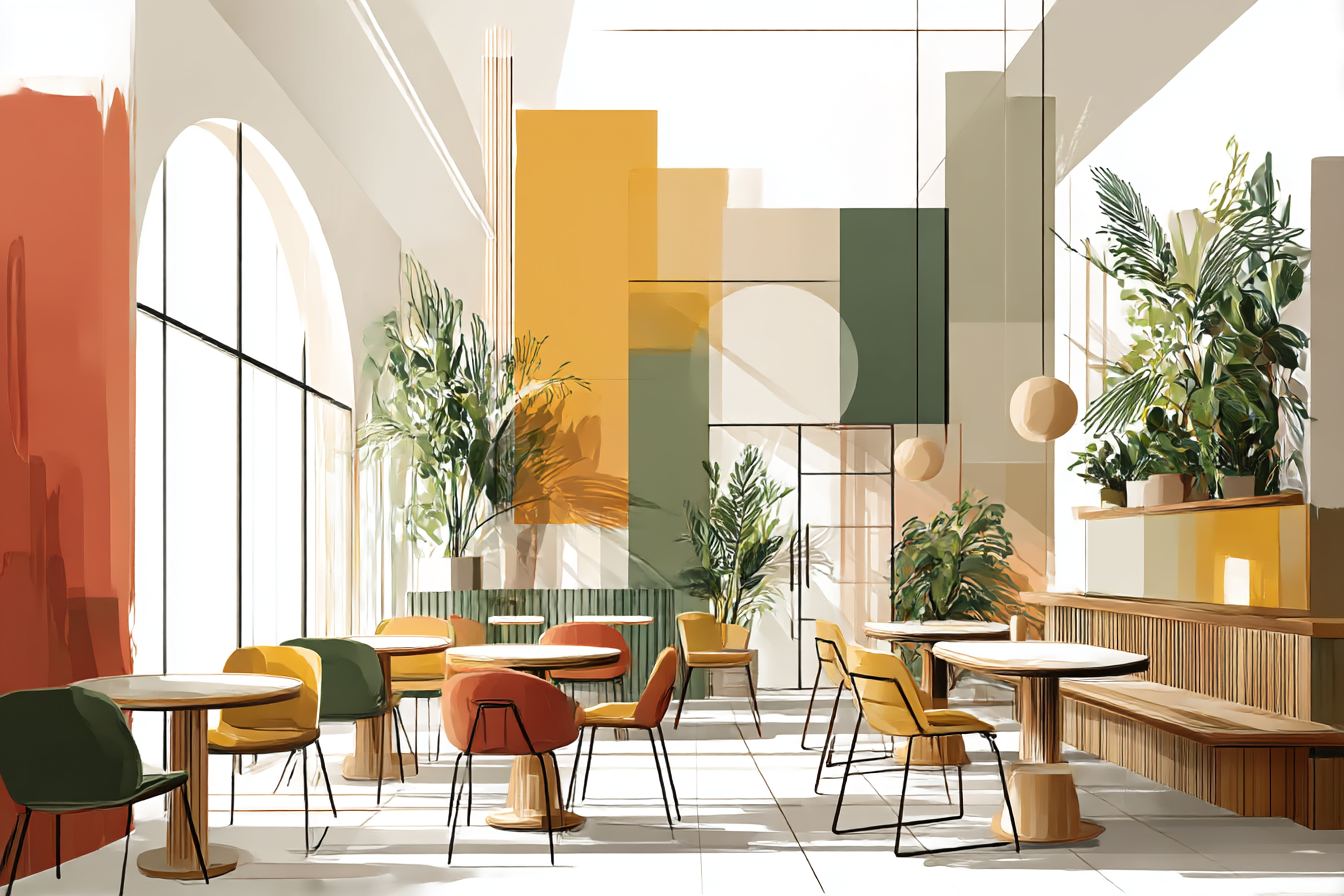
Plants became our secret weapon. Not the sad, dying spider plants that used to sit forgotten on teacher desks, but carefully selected species that could thrive in classroom conditions while providing specific benefits. Snake plants for air purification in rooms with limited ventilation. Pothos cascading from high shelves to soften the institutional feel. Small herb gardens on sunny windowsills that kids could tend and actually use in cooking projects.
The maintenance piece worried everyone initially. Teachers already felt overwhelmed – how could they take care of plants too? So we created a student responsibility system. Each classroom adopted specific plants, with rotating caretaking duties. Kids learned about watering schedules, pruning, repotting. Suddenly botany wasn't just a chapter in their science textbook – it was their daily responsibility.
But the real magic happened in the outdoor classroom we created in that renovated courtyard. Math lessons moved outside for geometry exercises using garden plots. English classes held poetry workshops under the pergola we'd built. Science investigations happened right in the soil, tracking plant growth, observing insect behavior, measuring rainfall.
I watched one particularly memorable fourth-grade lesson where kids were studying fractions using harvest vegetables from their garden plots. They had to divide their tomato crop equally among team members, calculate what portion of their total harvest each vegetable represented, create pie charts showing their garden's productivity. The math was identical to what they'd been learning with worksheets, but the engagement level was completely different.
Teachers started reporting changes they hadn't expected. Kids who typically struggled with focus were requesting to spend time in the garden during breaks. Anxiety levels dropped noticeably – the school counselor mentioned that her regular visitors were showing up less frequently, or asking to hold sessions outside rather than in her office.
The attendance data was probably the most convincing evidence for district administrators. Chronic absenteeism dropped by nearly 20% after the renovation. Kids wanted to come to school. They had plants to cheque on, outdoor projects to maintain, living systems that depended on their care.
Not everything worked perfectly, of course. Our initial plant selection included some species that couldn't handle the chaos of elementary classrooms. We learned that fragile flowers and curious six-year-olds don't always mix well. The irrigation system for our living wall leaked twice before we got it right, much to the janitor's frustration.
But even the failures became learning opportunities. When classroom plants died, we composted them in our outdoor bins and talked about life cycles. When our first herb garden got overgrown, kids learned about pruning and maintenance. These weren't disasters to hide – they were real experiences with living systems.
<img class="size-full" src="http://wonkydogltd.co.uk/medium/wp-content/uploads/2026/01/im1979_restorative_school_design._ultra-realistichyper-detail_1d87def8-cf89-41b6-bb46-2932b22fbd4f_1.jpg" alt="im1979_restorative_school_design._ultra-realistichyper-detail_1d87def8-cf89-41b6-bb46-2932b22fbd4f_1" />
The changes at Roosevelt caught attention from other schools in the district.

Three more elementary schools have implemented similar renovations, and I'm currently working with the high school on a more ambitious project that includes greenhouse classroom space and outdoor laboratory areas.
<blockquote>What I love most is how this approach shifts the entire school culture. Instead of fighting against kids' natural energy and curiosity, we're designing spaces that channel those impulses toward learning. Instead of viewing the outdoors as a distraction, we're treating it as an essential component of healthy child development.</blockquote>
Marcus, that kid I mentioned at the beginning? He's become the unofficial plant expert in his classroom. His teacher tells me he's volunteered to create plant care guides for other students, researching optimal growing conditions and writing instructions that his peers can actually follow. His reading skills have improved dramatically – not because of targeted interventions, but because he's genuinely motivated to learn about topics that matter to him.
That's the power of restorative school design. When we create spaces that honour children's innate connection to the natural world, learning becomes something that happens naturally rather than something we have to force. The environment itself becomes a teacher, offering lessons that textbooks simply can't provide.