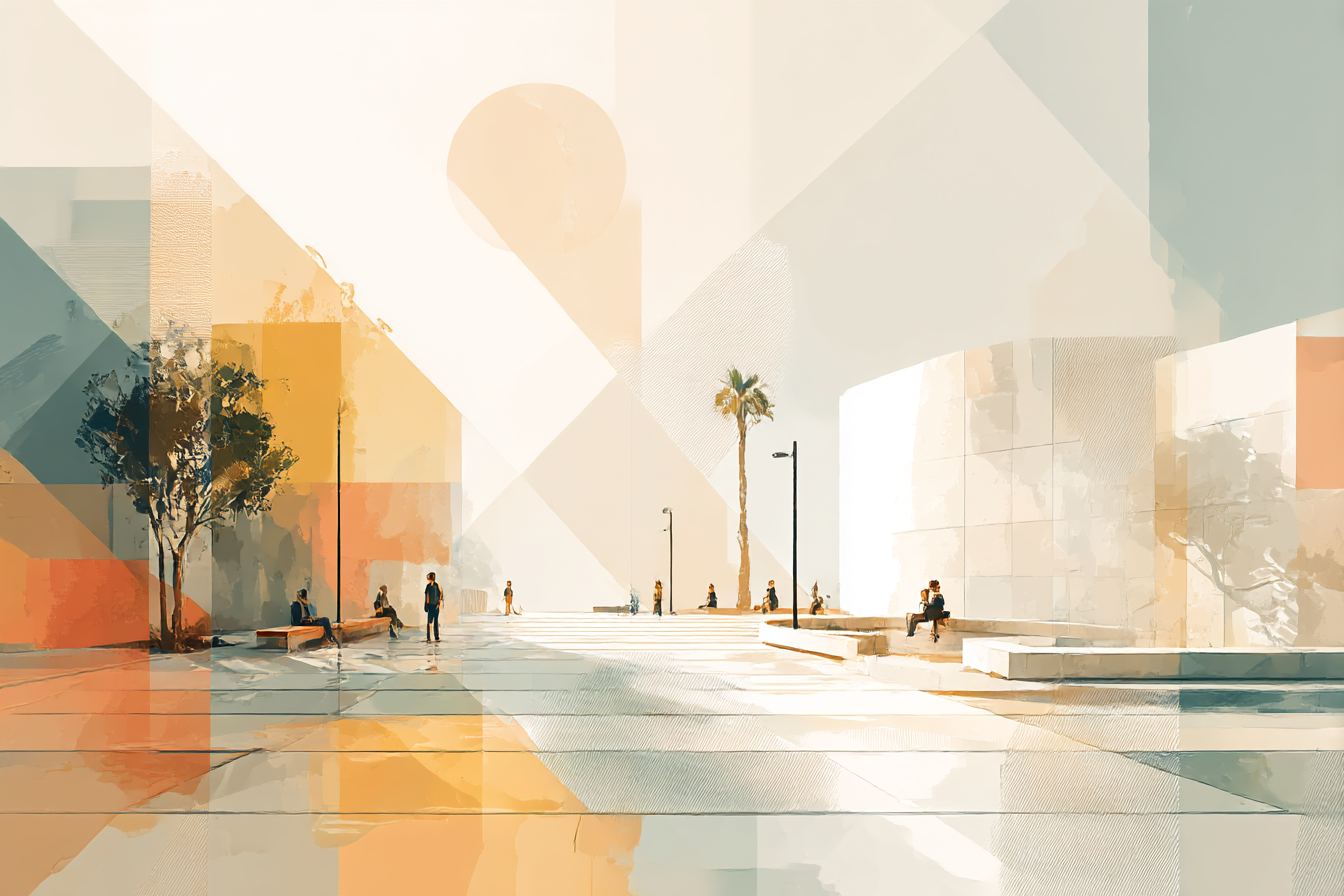
I was sitting in Bryant Park last Tuesday, watching people navigate around the construction barriers, when something clicked. You know how some spaces just feel wrong? Like they're fighting against your basic human instincts? That's exactly what was happening here. The temporary fencing had carved up the park into these sterile corridors, and everyone looked… well, miserable.
It got me thinking about a project I'd consulted on in Phoenix two years back. The city wanted to revitalize this forgotten pocket park in a low-income neighborhood – basically a patch of dead grass surrounded by chain link.
But instead of the usual playground-and-picnic-table approach, we asked a different question: what would make people actually want to spend time here?
<blockquote>The answer wasn't complicated. We needed to create what I call a "restorative loop" – a space that gives back more energy than it takes from visitors. Think about it: when you leave Central Park after an afternoon walk, you feel recharged, right? That's not accidental. There's science behind why certain spaces restore us while others drain us completely.</blockquote>
The Phoenix project started with shade. Seems obvious, but you'd be amazed how many desert parks forget this basic human need. We planted fast-growing mesquite trees in strategic clusters, creating these natural gathering spots. The key was understanding sight lines – people need to see who's coming and going to feel safe, but they also crave some sense of enclosure.
I learned this lesson the hard way during my disaster relief work in Louisiana. We rebuilt this community centre with beautiful open sightlines, very modern and clean. Nobody used it. Turns out, people needed those semi-private nooks where small groups could form naturally. We added some simple pergolas and suddenly the space came alive.
<img class="size-full" src="http://wonkydogltd.co.uk/medium/wp-content/uploads/2026/01/im1979_restorative_public_space_design._ultra-realistichyper-_1f3a8608-15df-4ec8-8572-7bbb29e68388_0.jpg" alt="im1979_restorative_public_space_design._ultra-realistichyper-_1f3a8608-15df-4ec8-8572-7bbb29e68388_0" />
Water changes everything, too. In Phoenix, we couldn't afford a fountain (maintenance costs would've killed the project), so we got creative. Rain chains and collection basins turned monsoon season into a celebration instead of something to endure. Kids started showing up with their parents just to watch the water cascade down these copper chains. The sound alone transforms a space – it masks traffic noise and creates this acoustic bubble that feels separate from the urban chaos.
But here's where it gets interesting. We discovered that restoration isn't just about adding pretty elements. It's about creating conditions where natural processes can unfold. I remember the first butterfly showing up about six months after we'd established the native plantings. Then birds. Then more insects. The park became this teaching laboratory without anyone planning it that way.
The materials matter enormously. I've seen too many well-intentioned projects that use plastic "wood" benches and artificial turf because they're low-maintenance. Sure, they last longer, but they completely break the sensory connection people crave. In Phoenix, we sourced local stone for the pathways – not expensive stuff, just the aggregate that gets crushed up anyway. But running your hand along those surfaces, feeling the warmth they absorbed during the day… that's the kind of tactile experience that actually reduces stress hormones.
Temperature regulation becomes crucial in restorative design. I learned this from studying Persian courtyards during a research trip to Isfahan. These ancient spaces use evaporation, thermal mass, and strategic airflow to create microclimates that feel 10-15 degrees cooler than surrounding areas. We adapted those principles for Phoenix using much simpler techniques – gravel beds that release moisture slowly, vertical surfaces that create convection currents.
You Might Also Like
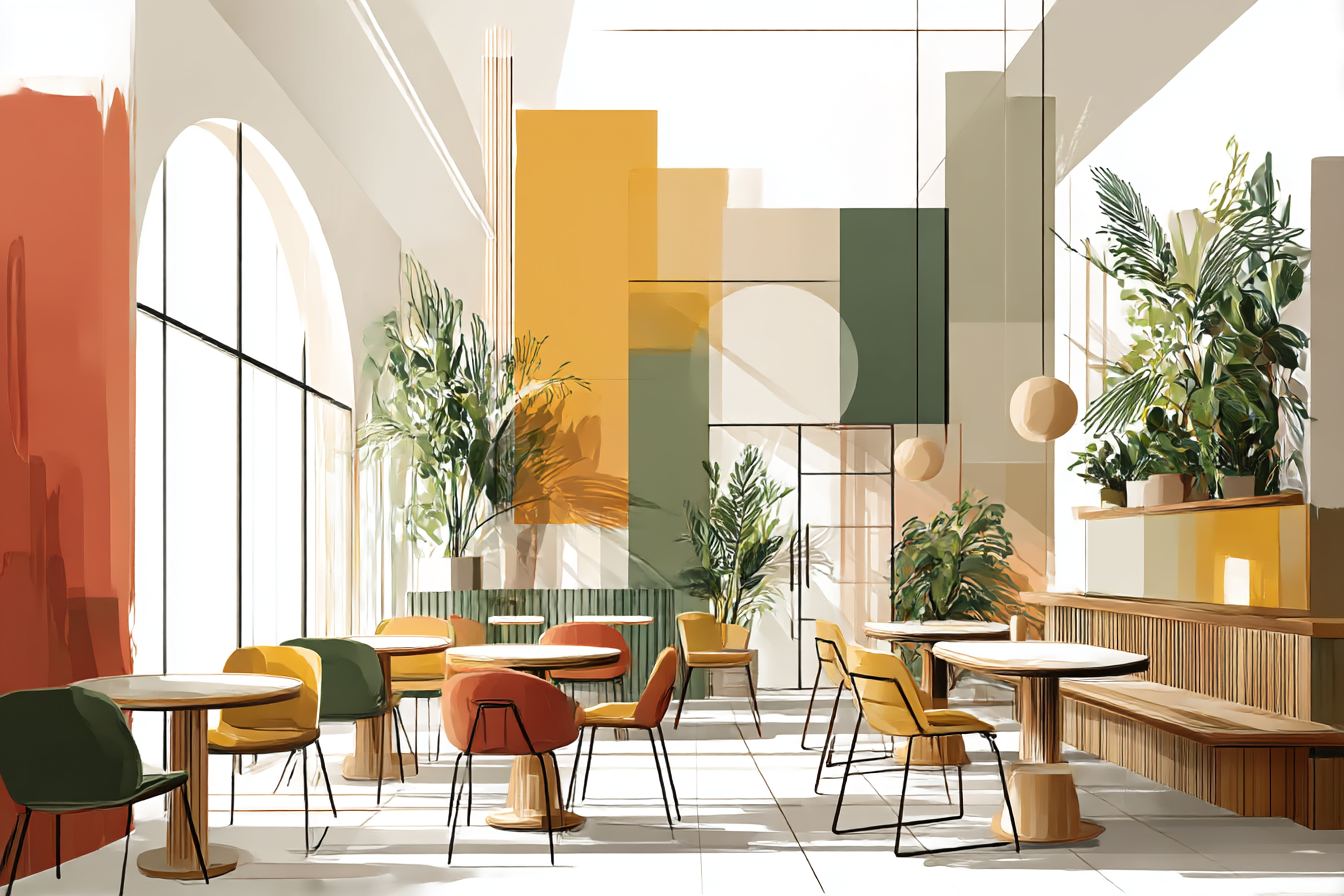
The timing of restoration matters, too. Spaces need to offer different experiences throughout the day and seasons. In Phoenix, morning brought joggers and dog walkers. Lunch hour attracted office workers seeking quiet. Evenings belonged to families and older residents playing dominoes. Our design had to support all these patterns without any single use dominating.
I've noticed that successful restorative spaces often have what I call "productive" elements – things people can tend to or harvest. In Phoenix, we included a small herb garden that anyone could use. Not a big deal, right? But watching a stressed mom pinch some mint for her water bottle, or seeing kids learn about plants they'd never encountered… these interactions create ownership and connection that pure aesthetics can't match.
The failure stories teach us just as much. I consulted on a corporate plaza in Atlanta that checked every biophilic box – native plants, water feature, natural materials, wildlife habitat. It should've been perfect. But the security restrictions, the "no touching" signs, the perfect maintenance that removed every fallen leaf… it felt like a nature museum instead of a living system. People admired it but didn't inhabit it.
Maintenance becomes part of the restoration process when it's done thoughtfully. In Phoenix, we trained local teens as "park stewards" – not just to pick up trash, but to understand the plant cycles, to notice which areas needed more water, to engage with visitors about what they were seeing. These kids became the park's memory bank, tracking changes and celebrating small victories.
The economic benefits surprised everyone. Property values within three blocks increased modestly, but more importantly, local businesses saw foot traffic increase. The taco truck that started parking nearby became a fixture. The corner store started stocking more fresh produce. Small changes, but they added up to neighborhood-level restoration that went far beyond our original scope.
<img class="size-full" src="http://wonkydogltd.co.uk/medium/wp-content/uploads/2026/01/im1979_restorative_public_space_design._ultra-realistichyper-_1f3a8608-15df-4ec8-8572-7bbb29e68388_1.jpg" alt="im1979_restorative_public_space_design._ultra-realistichyper-_1f3a8608-15df-4ec8-8572-7bbb29e68388_1" />
What I find most encouraging is how quickly people adapt to truly restorative spaces. Within weeks of the Phoenix park opening, we saw behavioral changes. People lingered longer. Conversations happened between strangers. Kids played more creatively instead of just burning energy. These aren't fluffy observations – they're measurable changes that indicate genuine restoration is occurring.
<blockquote>The principles scale up, too. I've been working with Sacramento on their downtown revitalization, applying the same restoration concepts to a much larger context.
Water collection, native vegetation, varied microclimates, tactile materials, productive elements. The challenges multiply with size, but so does the potential impact.</blockquote>
Sometimes I think we've overcomplicated urban design. Restoration isn't about creating perfect Instagram moments – it's about supporting the biological and psychological processes that help humans thrive. When we get this right, the aesthetic beauty follows naturally. When we prioritize appearance over function, we end up with spaces that look great in photographs but feel hollow in person.
That construction mess in Bryant Park will eventually resolve into something better. But watching people navigate those barriers reminded me why this work matters. We can design spaces that restore our connection to natural rhythms, or we can create environments that gradually wear down our resilience. The choice seems pretty obvious to me.