Walking through the Marriott headquarters in Bethesda last Tuesday, I couldn't help but notice how their employees seemed… tired. Not the kind of tired you get from a long day, but this deeper exhaustion that settles into your bones when you're constantly fighting against your environment instead of being supported by it. The fluorescent lighting buzzed overhead, casting that familiar greenish tint that makes everyone look slightly ill, while outside, gorgeous October sunlight streamed through windows that nobody seemed positioned to actually enjoy.
It got me thinking about a project I wrapped up six months ago – a law firm in downtown Portland that called me in because their turnover rates were through the roof. Partners couldn't figure out why they were losing good associates faster than they could hire them. The managing partner, Janet, walked me through their space with obvious pride. Floor-to-ceiling glass offices, sleek conference rooms, top-of-the-line everything. "We spared no expense," she kept saying.
Problem was, they'd spent a fortune creating what essentially amounted to a high-end sensory deprivation chamber.
<blockquote>The entire office faced north – no direct sunlight, ever.
The few plants scattered around were those sad, plastic-looking things that somehow survive in shopping malls. Every surface was either glass, metal, or some synthetic material that probably cost more per square foot than my monthly rent. The air felt… dead. That's the only way I can describe it. Like the building was actively sucking the life out of anyone who walked through the doors.</blockquote>
Janet showed me their employee satisfaction surveys, and the comments were telling. "I feel disconnected from the world in here." "By 3pm, I'm ready to crawl out of my skin." "I spend my lunch breaks sitting in my car just to feel normal again." These weren't complaints about workload or management – they were biological distress signals.
<img class="size-full" src="http://wonkydogltd.co.uk/medium/wp-content/uploads/2026/01/im1979_restorative_office_space_design._ultra-realistichyper-_1e792c67-76b6-4d94-afb9-cc4471874de2_0.jpg" alt="im1979_restorative_office_space_design._ultra-realistichyper-_1e792c67-76b6-4d94-afb9-cc4471874de2_0" />
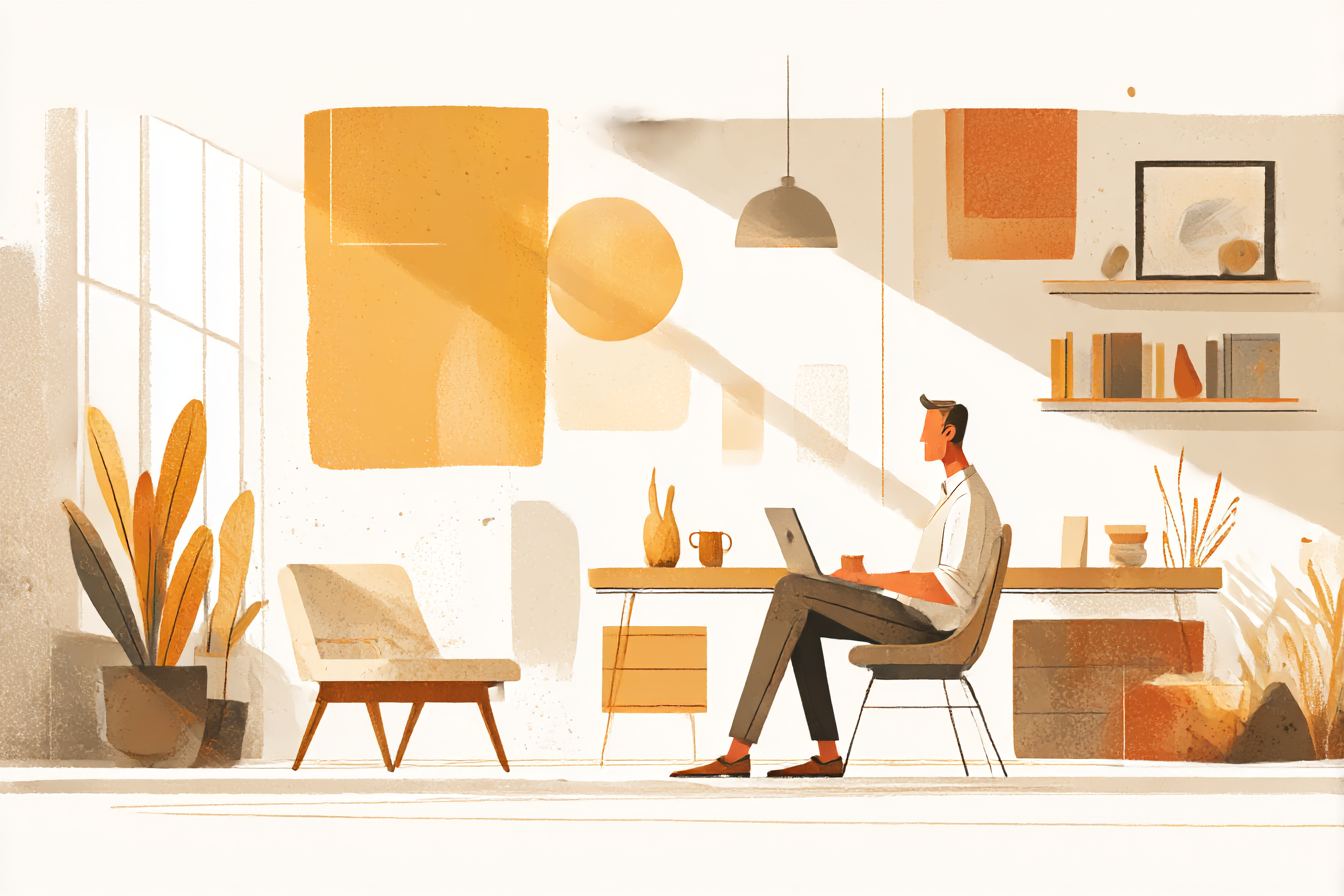
The fix wasn't complicated, but it required Janet to let go of some preconceived notions about what a "professional" environment should look like. We started with light – actual, natural light. I convinced them to remove the frosted film from their east-facing conference room windows (they'd installed it for "privacy" but really, who's looking into a 12th-floor window?). Then we repositioned workstations so people could see outside without craning their necks.
You know what happened within two weeks? Sick days dropped by 40%. Just from people being able to see the sky while they worked.
The plant situation took more finesse. Law firms, I've learned, are weirdly resistant to anything that looks "too alive." We compromised by starting with architectural plantings – large specimens that looked more like living furniture than garden centre impulse buys. A massive fiddle leaf fig in the reception area. Snake plants flanking the elevator bank. Nothing that screamed "jungle," but enough green to start changing the air quality and visual environment.
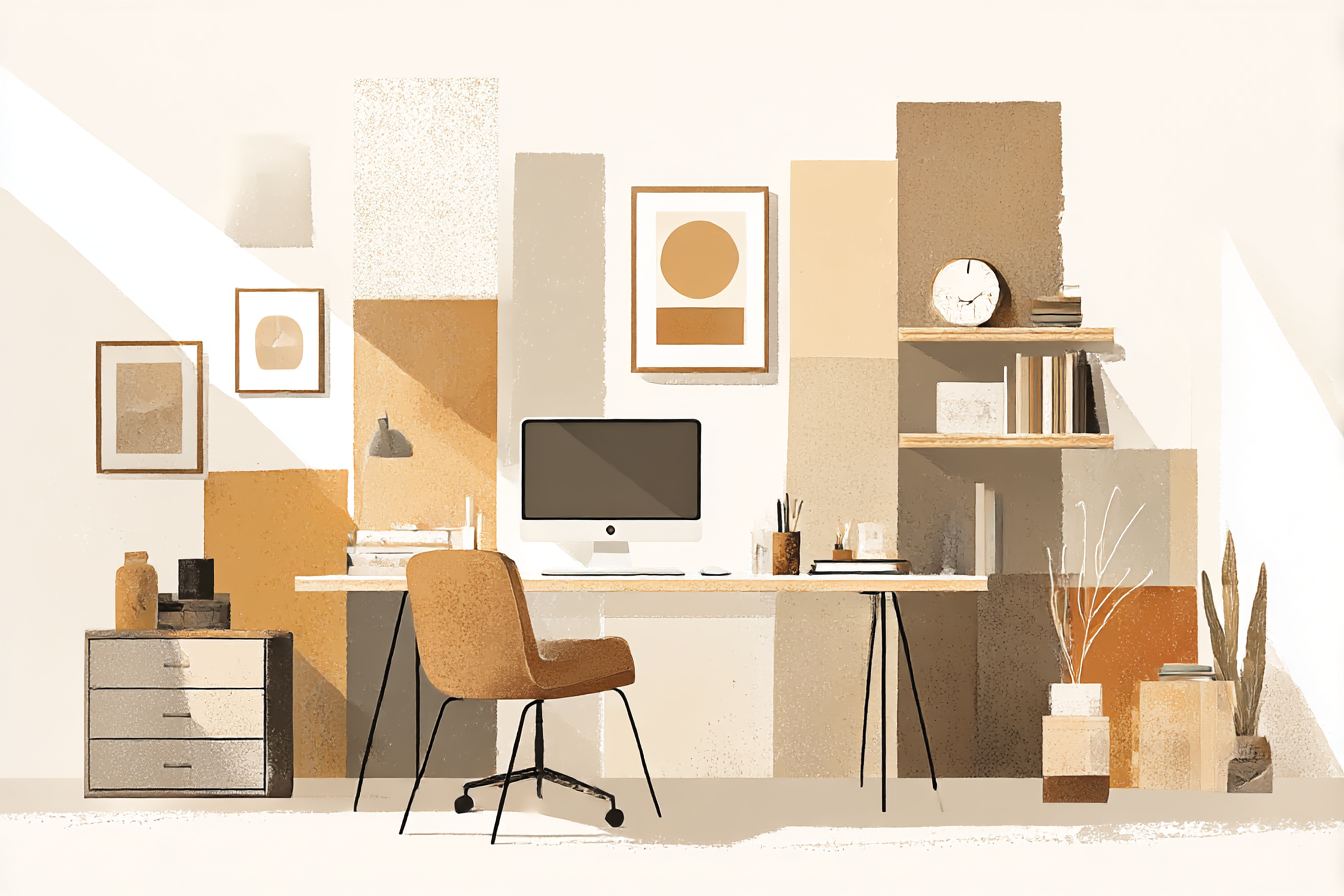
The real game-changer was the materials swap. Those cold glass conference tables? We replaced them with reclaimed walnut – same professional look, but now people could actually rest their hands comfortably during long meetings without feeling like they were touching an ice cube. The synthetic carpeting throughout got swapped for wool rugs over polished concrete floors. Suddenly, the space had texture, warmth, actual character.
But here's what really sold Janet on the whole approach: I installed a small water feature in their main collaborative area. Nothing fancy – basically a copper bowl with a gentle bubbling system that I sourced for under $300. The sound was subtle, almost subliminal, but it transformed how people moved through that space. Conversations became less tense. People lingered after meetings instead of rushing back to their offices.
You Might Also Like

Three months after the renovation, Janet called me with their latest employee survey results. Satisfaction scores up 60%. Turnover down to almost nothing. But the comment that stuck with me was from one of their paralegals: "I actually look forward to coming to work now. The space feels like it's designed for humans instead of robots."
This isn't rocket science, people. We're biological creatures who spent 99% of our evolutionary history outdoors, connected to natural cycles and organic materials. Yet somehow we've convinced ourselves that productive work environments should eliminate every trace of our natural habitat. It's like designing underwater workspaces for humans and then wondering why everyone feels stressed and claustrophobic.
I've been tracking the research on this stuff for years now, and the data is overwhelming. Natural light exposure during work hours doesn't just improve mood – it literally regulates our circadian rhythms, leading to better sleep, stronger immune function, and sharper cognitive performance. Plants don't just look nice – they're actively cleaning the air while providing the visual complexity our brains crave. Natural materials like wood and stone don't just feel good to touch – they actually lower cortisol levels and blood pressure.
The resistance I encounter usually comes down to three concerns: cost, maintenance, and this vague notion that anything "natural" looks unprofessional. Let me address these one by one.
Cost? My Portland law firm project, including all materials and labor, came in at about $15,000 for a 4,000 square foot space. They're saving that much every quarter just in reduced turnover and recruiting costs. Plus, employees who feel good in their environment are measurably more productive. You can't put a price on that return.
Maintenance? I get it – nobody wants to deal with dying plants or finicky water features. That's why I always design systems that are either self-maintaining or require minimal intervention. The plants I specify are chosen specifically for their resilience in office environments. The water features are closed-loop systems that need attention maybe once a month. It's not like asking people to tend a greenhouse.
<img class="size-full" src="http://wonkydogltd.co.uk/medium/wp-content/uploads/2026/01/im1979_restorative_office_space_design._ultra-realistichyper-_1e792c67-76b6-4d94-afb9-cc4471874de2_1.jpg" alt="im1979_restorative_office_space_design._ultra-realistichyper-_1e792c67-76b6-4d94-afb9-cc4471874de2_1" />
As for professionalism – this one drives me crazy. When did we decide that sterile equals serious? Some of the most innovative, productive companies in the world have embraced biophilic principles. Google's offices look like indoor parks.

Amazon built actual rainforest spheres for their employees. These aren't hippie communes – they're billion-dollar corporations that understand human performance.
<blockquote>The Portland firm isn't unique. I've seen similar transformations in accounting offices, tech startups, medical practices, even government agencies. The common thread is always the same: when you design workspaces that acknowledge and support human biology instead of fighting against it, people function better. Period.</blockquote>
Last month, I got a photo from Janet showing their holiday party. The entire staff was clustered around that little water feature, drinks in hand, actually enjoying each other's company instead of counting the minutes until they could escape. That's what restorative design looks like in action – spaces that don't just house work, but nurture the humans doing it.
We spend a third of our lives in office environments. Isn't it time we made them places that actually support human wellbeing instead of systematically undermining it?



