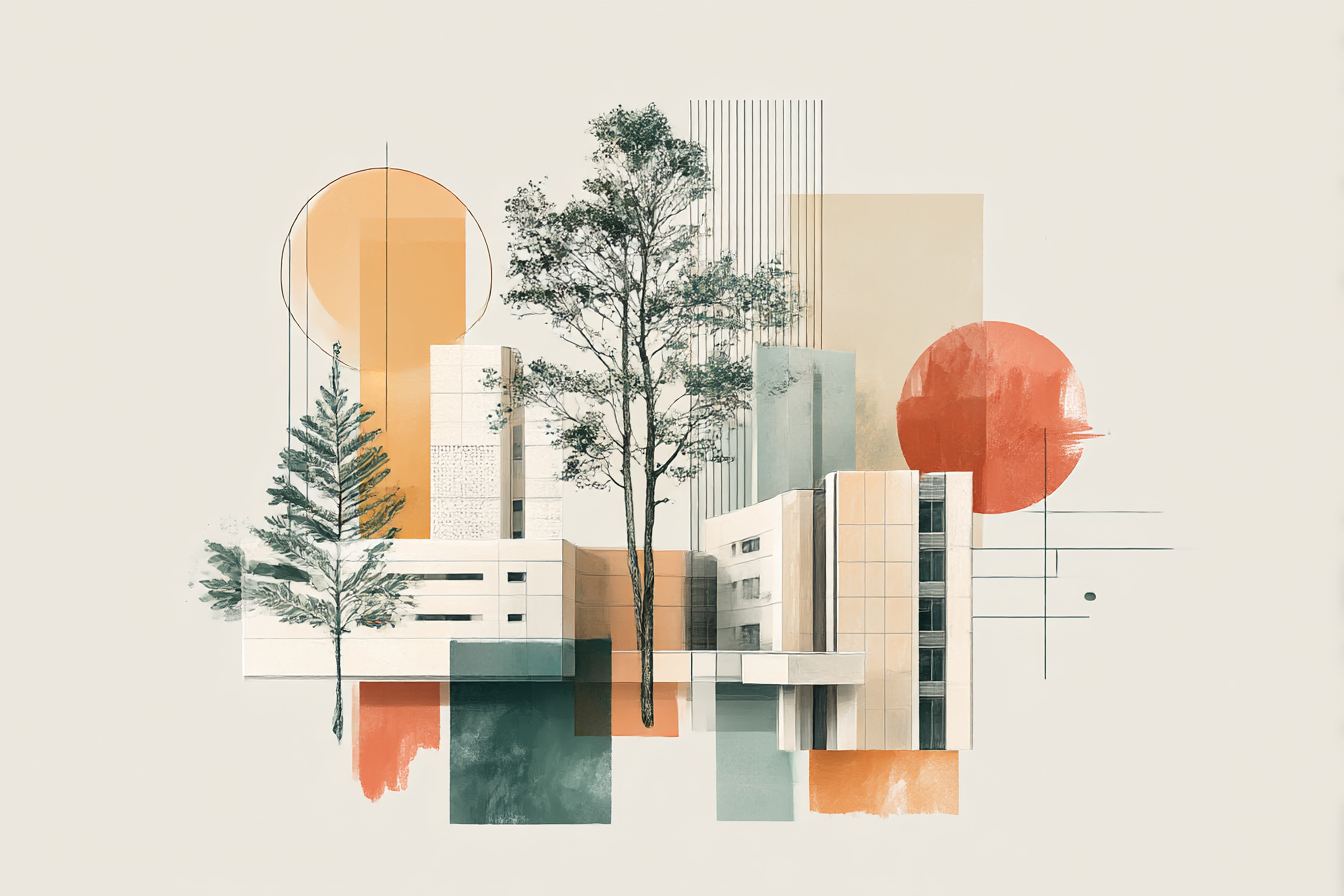
Walking through the corridors of Swedish Medical Centre in Seattle last month, I couldn't help but notice how different this place felt compared to the sterile, fluorescent-lit hospitals of my childhood. Sunlight streamed through floor-to-ceiling windows, plants cascaded from built-in planters, and honestly? I didn't immediately feel that familiar knot of anxiety that usually hits me in healthcare settings.
This wasn't an accident, of course. Someone had made very intentional decisions about how this space would feel and function. And after spending the better part of a decade studying how our built environments affect our wellbeing, I can tell you that hospitals are finally catching on to something Indigenous cultures have known forever – healing happens faster when we stay connected to the natural world.
I've been tracking this shift in healthcare design for years now, partly because my own experiences in medical settings shaped so much of my thinking about biophilic design. When my father had his heart surgery three years ago, we spent weeks shuttling between two different hospitals.

The contrast was… well, it was stark. The first facility felt like being trapped in a windowless box – those awful overhead lights that make everyone look like they're dying, no views of anything green, and this persistent chemical smell that seemed to seep into your clothes.
The second hospital? Game changer. Natural light everywhere, living walls in the lobby, even the ICU had views of a carefully designed healing garden. Dad's recovery time was notably faster there, and I'm not just being sentimental – his nurses commented on how much better patients seemed to do in rooms with garden views versus those facing the parking structure.
That experience got me digging deeper into the research, and wow. The data is compelling. Studies consistently show that patients with views of nature recover faster, need fewer pain medications, and have shorter hospital stays. One famous study from the 1980s found that surgery patients with tree views went home nearly a day earlier than those staring at brick walls. A full day! That's not just better for patients – it's massive cost savings for healthcare systems.
But here's what really fascinates me: it's not just about slapping some plants in a lobby and calling it a day. The most effective healing environments integrate natural elements at every level of design thinking. Take Seattle Children's Hospital, where I consulted on a wing renovation two years ago. We worked with circadian lighting systems that mimic natural daylight cycles, helping regulate sleep patterns for kids who might be hospitalized for weeks. The difference in mood and energy levels was noticeable within days.
The materials matter too. I've become obsessed with tactile experiences in healthcare settings because, let's face it, hospitals can feel so disconnected from normal human experience. When everything is stainless steel and vinyl, your nervous system stays on high alert. But introduce some warm wood surfaces, natural stone, even textured fabrics that reference organic patterns, and you can literally watch people's shoulders drop as they relax.
Water features are another element I'm seeing more of, though they require careful consideration in healthcare settings. The gentle sound of flowing water masks harsh medical equipment noises while providing that primal sense of calm we associate with natural settings. I worked with a cancer treatment centre in Portland that installed a subtle wall fountain in their infusion room. Patients started requesting specific chairs near it, and staff reported improved treatment compliance – people were actually more relaxed during chemotherapy.
You Might Also Like
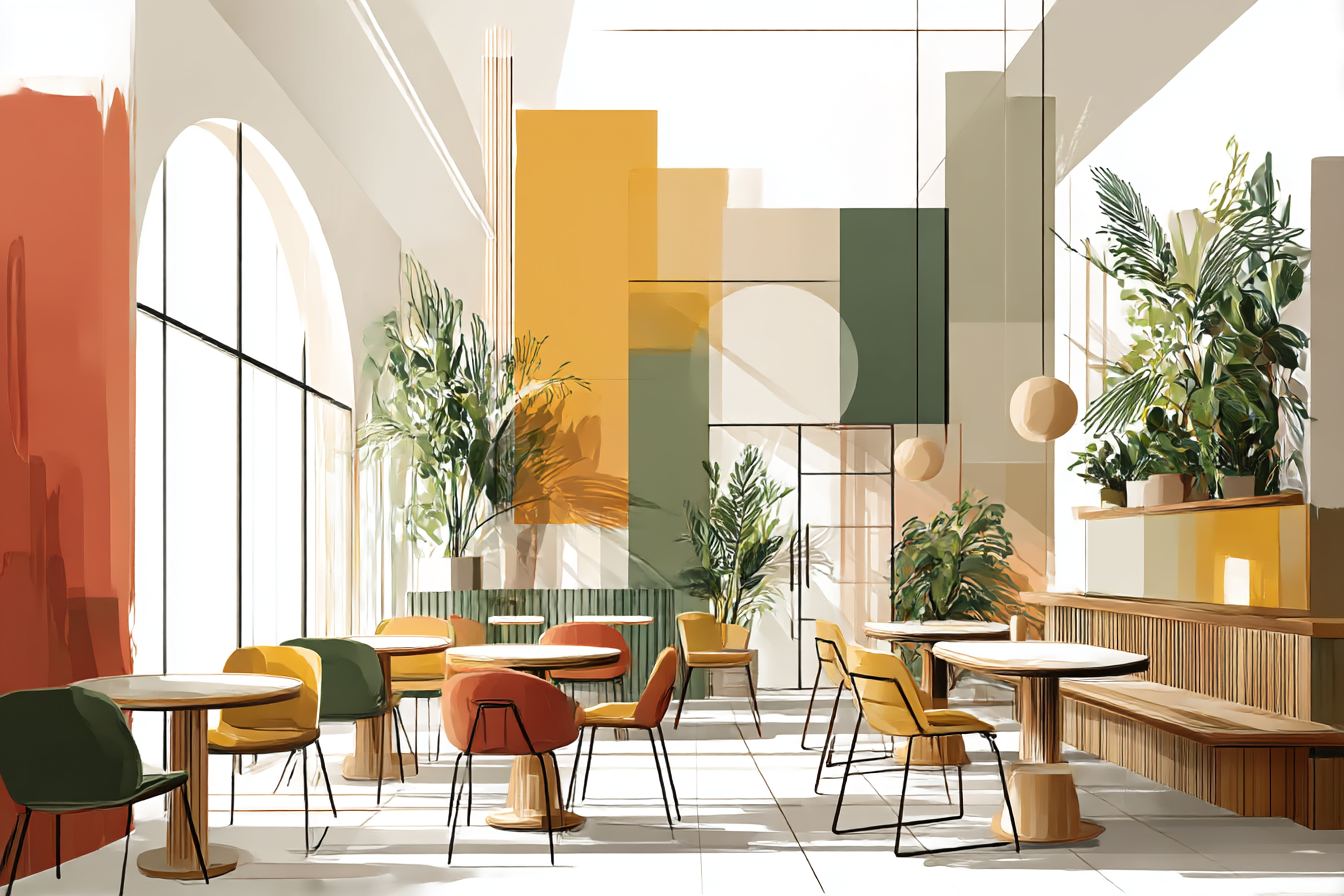
The staff wellbeing piece is huge too, though it doesn't get talked about enough. Healthcare workers are dealing with incredible stress levels, especially post-pandemic. I've toured facilities where nurse satisfaction scores improved dramatically after introducing natural light and living elements to break rooms and workstations. When your work environment supports your own wellbeing, you're better equipped to care for others. Makes sense, right?
One project that really stuck with me was a pediatric psychiatric unit where we created what they called "comfort alcoves" – small spaces with soft seating, plants, and views of an outdoor courtyard. These weren't therapy rooms exactly, just places where kids could decompress when feeling overwhelmed. The reduction in behavioral incidents was significant enough that other units started requesting similar spaces.
I'm seeing more creative approaches to bringing nature indoors too. Living walls are becoming more sophisticated and easier to maintain. Digital nature displays can provide seasonal variety when real plants aren't practical. Even something as simple as nature-inspired artwork has measurable effects on stress levels, though I always push for real plants when possible because the air quality benefits are substantial.
The maintenance concerns are real, I'll give you that. I've seen too many hospital plants die from neglect, which creates the opposite of a healing atmosphere. Successful healthcare biophilic design requires commitment from the top down – proper budgeting for plant care, staff training, and systems thinking about how natural elements integrate with cleaning protocols and infection control.
Cost is always a factor, but the return on investment data keeps getting stronger. Reduced patient stays, decreased medication needs, improved staff retention, better patient satisfaction scores – it all adds up. Plus, many biophilic interventions don't require massive capital investment. Strategic use of natural light, nature views from existing windows, and carefully chosen plants can transform spaces without complete renovations.
What excites me most is seeing healthcare systems embrace these principles from the ground up rather than retrofitting. The new Kaiser Permanente facilities in Northern California are incorporating biophilic design as a core strategy, not an add-on.

Healing gardens accessible from patient rooms, natural materials throughout, abundant daylight – it's becoming the standard rather than the exception.
The pandemic actually accelerated some of these trends. People became acutely aware of how their physical environment affected their mental health. Healthcare administrators saw firsthand how nature access impacted both patient and staff wellbeing during those incredibly challenging months.
I keep coming back to that feeling I had walking through Swedish Medical Centre – how different it felt from traditional healthcare environments. That's not just pleasant atmosphere; that's intentional design supporting the healing process. When hospitals embrace their role as places of restoration rather than just treatment, everyone benefits. Patients, families, staff – we all function better when our fundamental connection to the natural world is honored rather than severed.
The future of healthcare design is heading in this direction whether we're ready or not. The evidence is too strong to ignore, and patients are increasingly choosing facilities that prioritize their overall wellbeing. Smart healthcare systems are getting ahead of this curve, creating environments that truly support the healing process through thoughtful integration of natural elements.