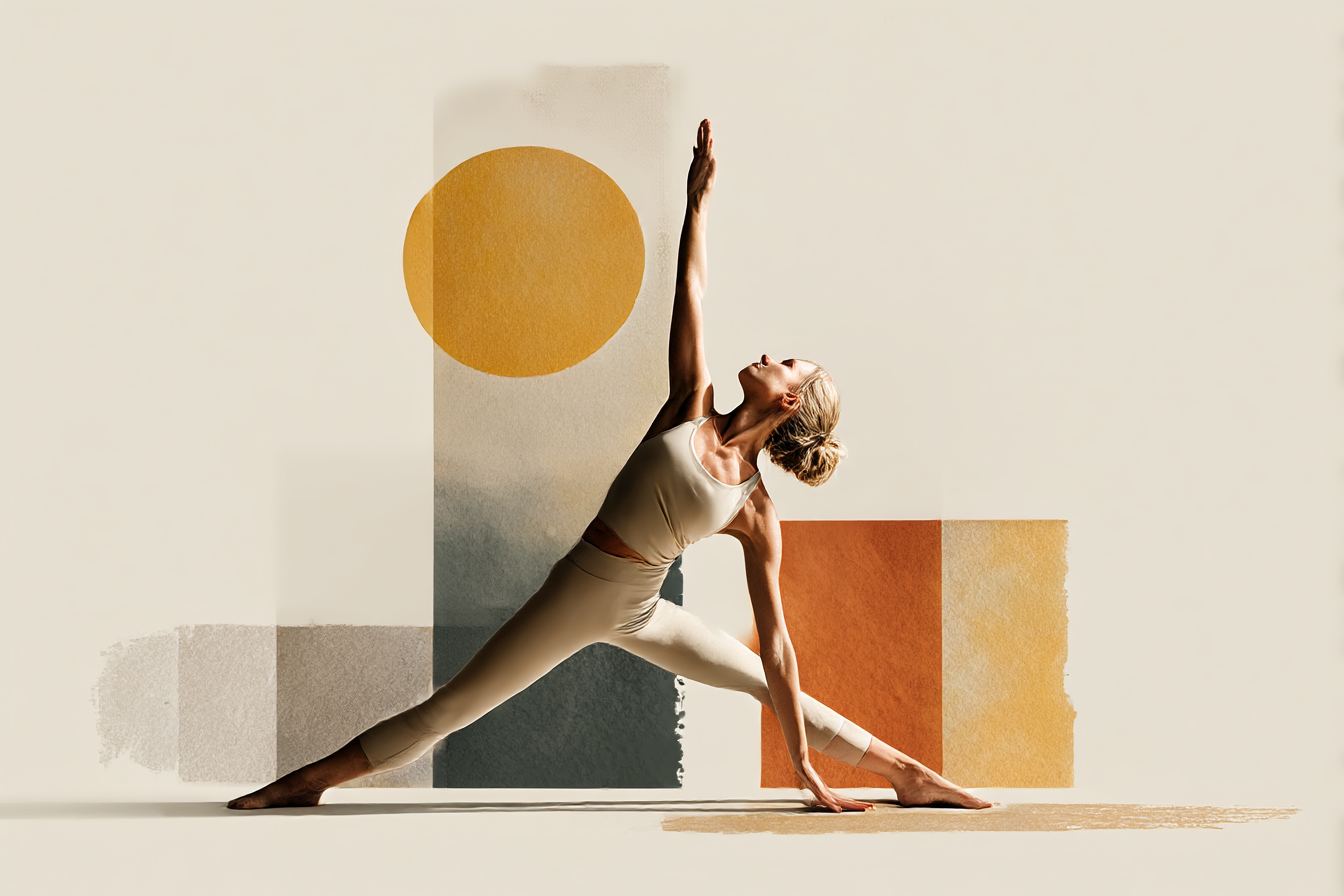
Standing in the Lotus Light Studio in Portland last month, I couldn't help but smile at the irony. Here I was, supposedly an expert in biophilic design, experiencing something close to transcendence in a yoga space that broke nearly every "rule" I thought I knew about nature-integrated wellness environments.
The studio occupied the ground floor of a converted warehouse, and honestly? From the street it looked pretty unremarkable. But step inside, and wow. The owner, Maya, had transformed this concrete box into something that felt more like a forest clearing than an indoor exercise space. The ceiling soared fifteen feet overhead, painted a deep charcoal that seemed to disappear in the dim lighting, creating an almost infinite feeling above the practice area.
<blockquote>What struck me immediately wasn't the plants – though there were plenty – but how Maya had layered different types of natural light to create this incredibly calming atmosphere.
She'd installed these gorgeous copper pendant lights that cast warm pools of illumination across the bamboo flooring, interspersed with subtle LED strips that mimicked the colour temperature of late afternoon sunlight filtering through a canopy. I mean, the technical execution was flawless, but more importantly, it just felt right.</blockquote>
The plant selection was what really got my attention though. Instead of going with the typical studio monstera and snake plant combo (which, don't get me wrong, I love those too), Maya had chosen species specifically for their air-purifying qualities and their ability to thrive in lower light conditions. Peace lilies cascaded from rustic wooden planters mounted at varying heights along the walls, while Boston ferns created these lush green curtains in the corners. The whole arrangement felt almost accidental, like nature had simply decided to reclaim this industrial space.
I've visited probably fifty yoga studios over the past few years, documenting different approaches to creating calming practice environments. Most fall into predictable patterns – white walls, maybe some succulents on the windowsill, perhaps a small Buddha statue for "ambiance." But places like Lotus Light understand something deeper about how our nervous systems respond to environmental cues.
<img class="size-full" src="http://wonkydogltd.co.uk/medium/wp-content/uploads/2026/01/im1979_restorative_yoga_design._ultra-realistichyper-detailed_17838d51-f671-4aaf-b608-ce0cc81dc2ba_0.jpg" alt="im1979_restorative_yoga_design._ultra-realistichyper-detailed_17838d51-f671-4aaf-b608-ce0cc81dc2ba_0" />
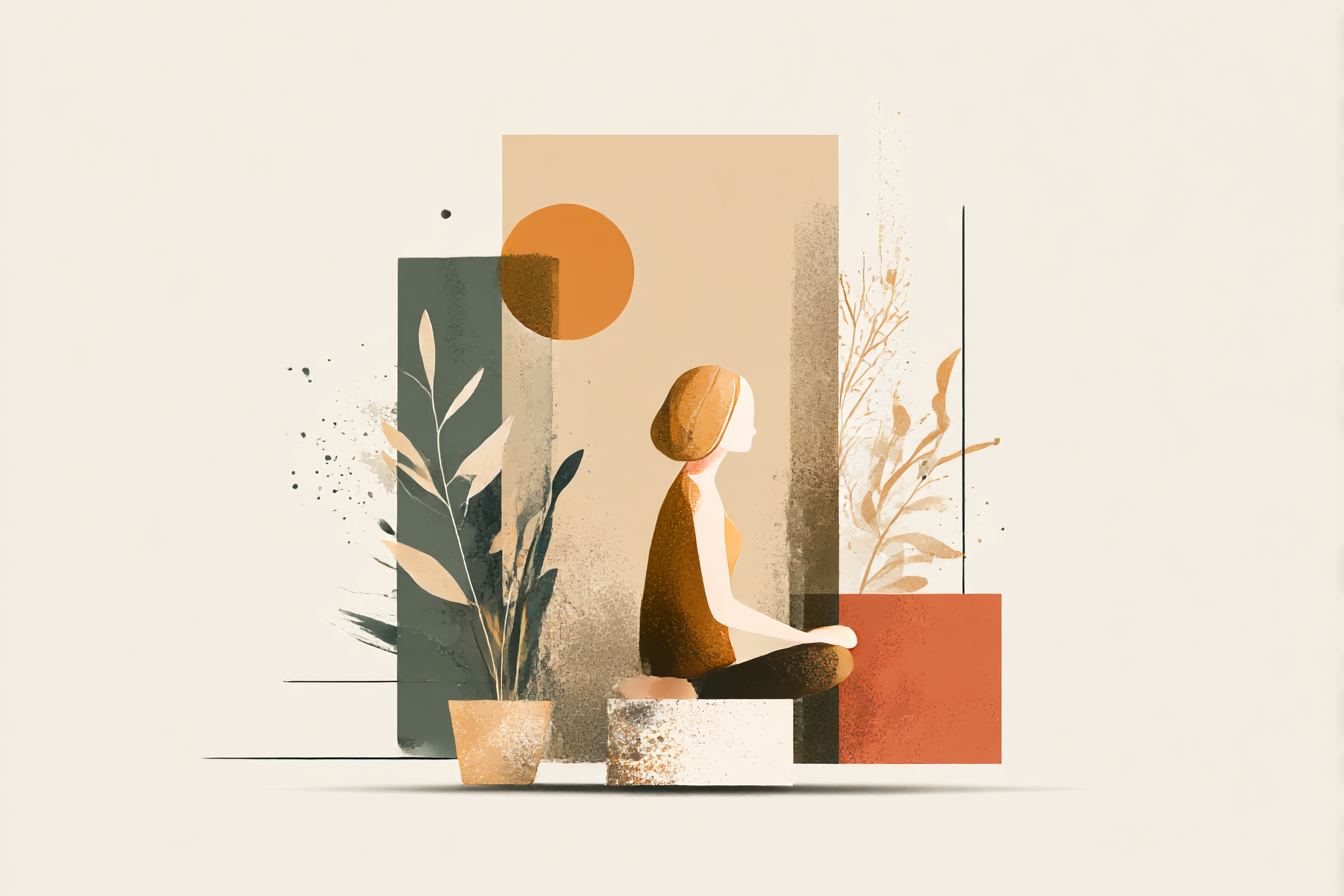
During the restorative class I attended, we spent twenty minutes in a supported child's pose. Normally, I'd be fidgeting after about five minutes (occupational hazard of studying spaces rather than just experiencing them). But lying there on Maya's cork bolsters, surrounded by the gentle sound of a small water feature trickling in the corner and breathing air that actually felt different – cleaner, somehow more alive – I found myself genuinely relaxing for the first time in weeks.
The water element was particularly clever. Maya had built this narrow channel along one wall using reclaimed slate, creating a shallow stream that disappeared behind a living wall of pothos and philodendrons. The sound wasn't loud enough to be distracting, but it added this subtle audio layer that masked the urban noise outside while providing that psychological connection to flowing water that seems to calm us at some primal level.
After class, I cornered Maya to ask about her design process. Turns out she'd never heard the term "biophilic design" before opening the studio three years ago. She just knew she wanted to create a space where people could "remember what it felt like to be in nature." Sometimes the best implementations come from intuition rather than theory, you know?
You Might Also Like
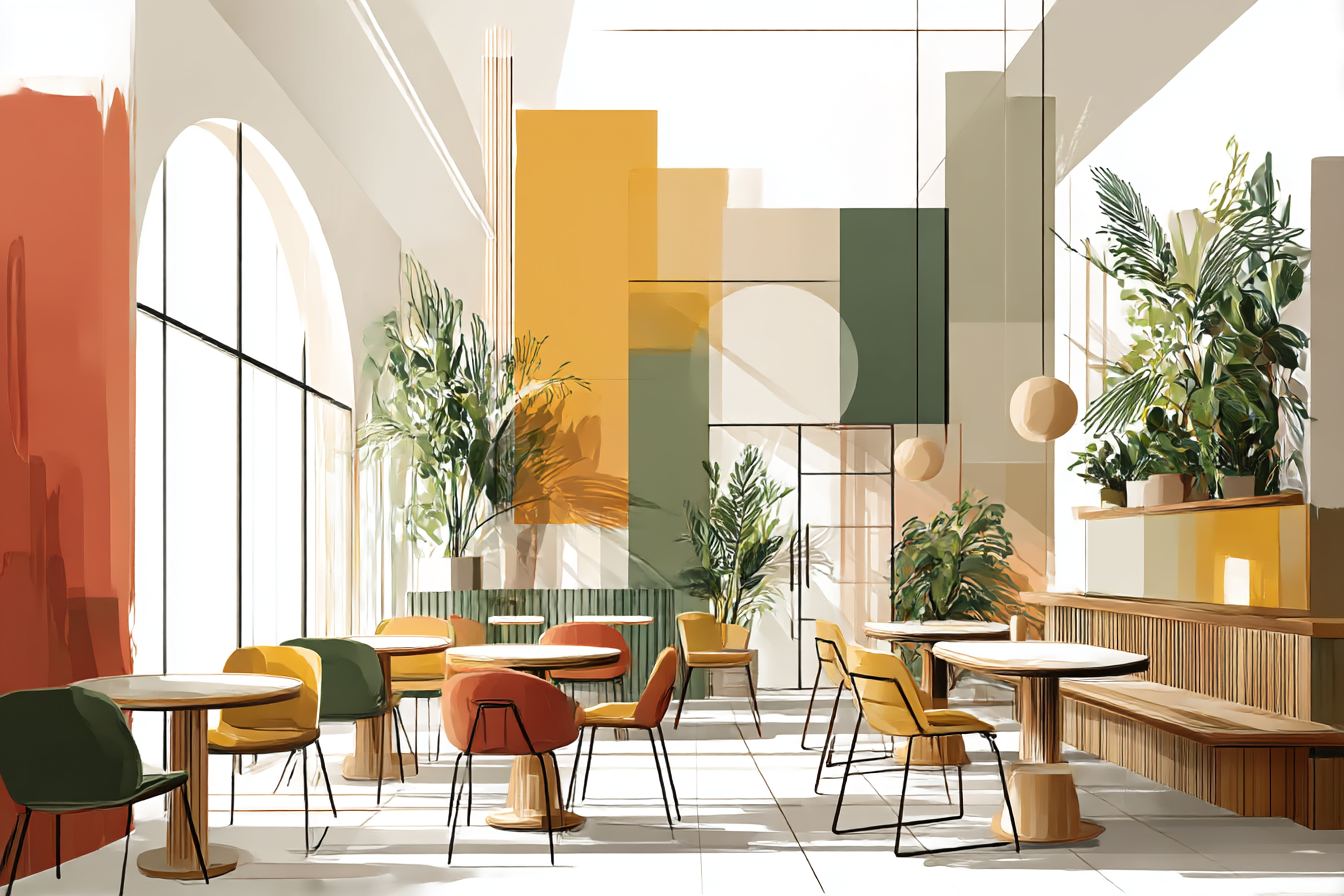
Her approach to materials was particularly thoughtful. The flooring was sustainably harvested bamboo, but she'd chosen a variety with more visual texture than the typical smooth strips you see everywhere. The grain patterns and subtle colour variations created this sense of natural randomness that your eye can rest on without getting bored. She'd also incorporated reclaimed cedar planks as accent walls, left unfinished so you could still smell the wood – especially when the space warmed up during heated classes.
What really impressed me was how Maya had solved the challenge of creating privacy and intimacy in such a large space. Instead of conventional room dividers, she'd used strategically placed trees – actual potted trees, not just large houseplants. A mature fiddle leaf fig anchored one corner, while a gorgeous Norfolk pine created a natural screen between the main practice area and the changing rooms. These living architectural elements provided visual barriers without feeling closed off or claustrophobic.
The lighting deserves its own paragraph, honestly. Maya had studied how light changes throughout the day in forest environments and tried to replicate those patterns indoors. Morning classes started with brighter, cooler light that gradually warmed and dimmed. Evening sessions began with that golden hour glow I'd first noticed, slowly transitioning to deeper, warmer tones that prepared the nervous system for rest. She'd even programmed seasonal variations – shorter, cooler light cycles in winter, longer and more dynamic patterns during summer months.
I've been thinking a lot lately about how restorative yoga studios represent this perfect intersection of biophilic design principles and functional wellness space requirements. The practice itself is about slowing down, becoming present, allowing the body to release tension. But if you're trying to do that in a sterile, artificially lit room with recycled air, you're fighting your environment rather than being supported by it.
<img class="size-full" src="http://wonkydogltd.co.uk/medium/wp-content/uploads/2026/01/im1979_restorative_yoga_design._ultra-realistichyper-detailed_17838d51-f671-4aaf-b608-ce0cc81dc2ba_1.jpg" alt="im1979_restorative_yoga_design._ultra-realistichyper-detailed_17838d51-f671-4aaf-b608-ce0cc81dc2ba_1" />
The economics make sense too, though Maya admitted it took some convincing to get her initial investors on board.
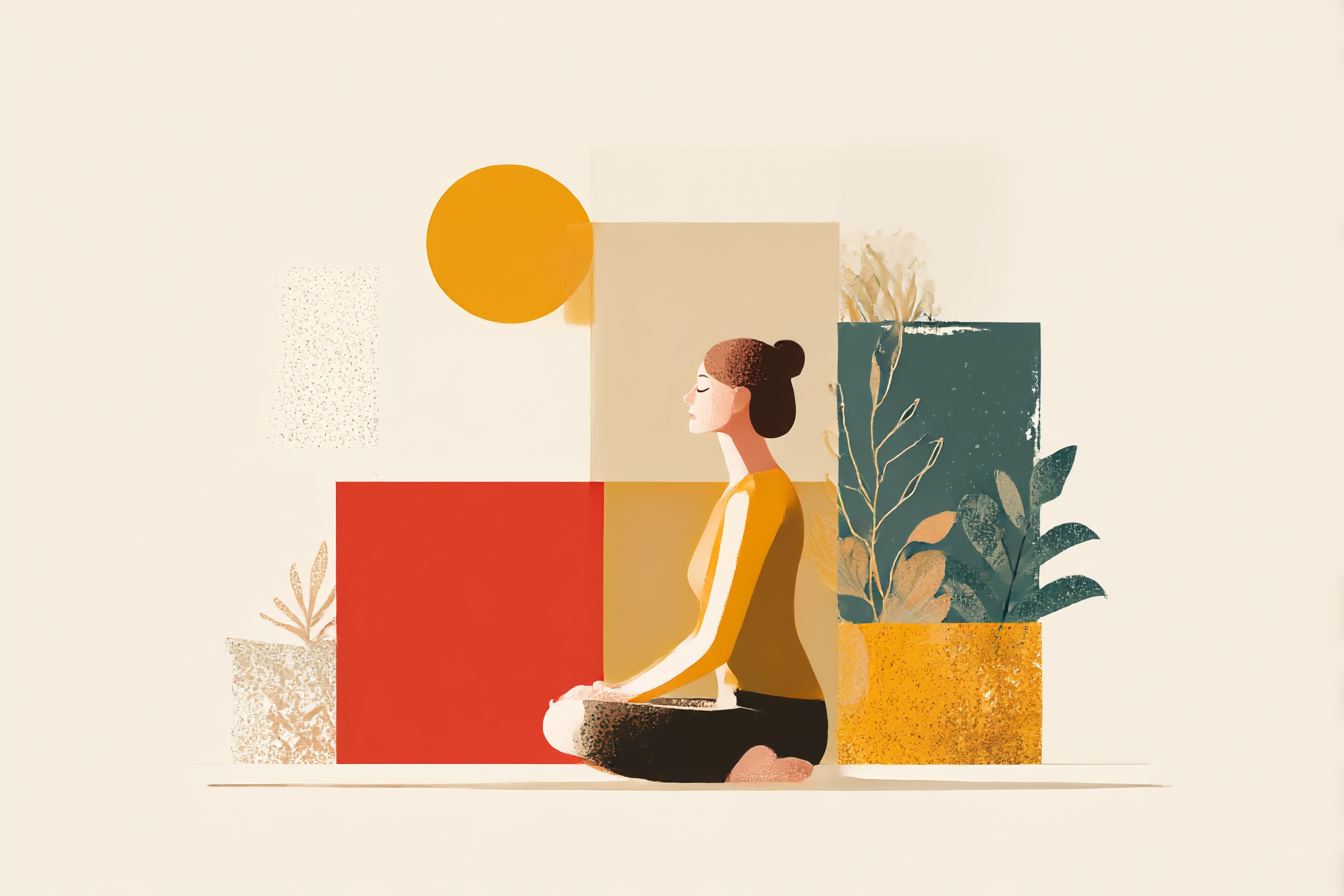
Yes, the upfront costs were higher – living walls require irrigation systems, natural materials cost more than vinyl, and full-spectrum lighting isn't cheap. But her retention rates are significantly higher than industry averages, and word-of-mouth referrals account for about sixty percent of new memberships. People don't just come for the yoga; they come for how the space makes them feel.
<blockquote>I left Portland with pages of notes and probably two hundred photos, but more importantly, with a renewed appreciation for how powerful environmental design can be when it's executed with genuine understanding of human needs. Maya hadn't just decorated a yoga studio with plants – she'd created an ecosystem that actively supported the practice happening within it.</blockquote>
The experience reminded me why I got into this work in the first place. It's not about following design trends or checking boxes for sustainability credits. It's about recognising that humans are part of nature, not separate from it, and designing spaces that honour that fundamental truth. When we get it right – when we create environments that nourish rather than drain us – the effects ripple out in ways we're only beginning to understand.
Maya mentioned she's opening a second location next year. I'm already planning my next trip west.