
Standing in Singapore's Supertree Grove at dawn, watching mist rise from vertical gardens that stretched twelve stories into the sky, I realised I was witnessing something profound. This wasn't just impressive architecture or clever landscaping – this was an entirely different relationship between cities and nature. The elderly tai chi practitioners moving through their routines beneath these towering steel trees seemed perfectly at ease, as if practicing in a forest grove rather than the heart of one of the world's densest urban centres.
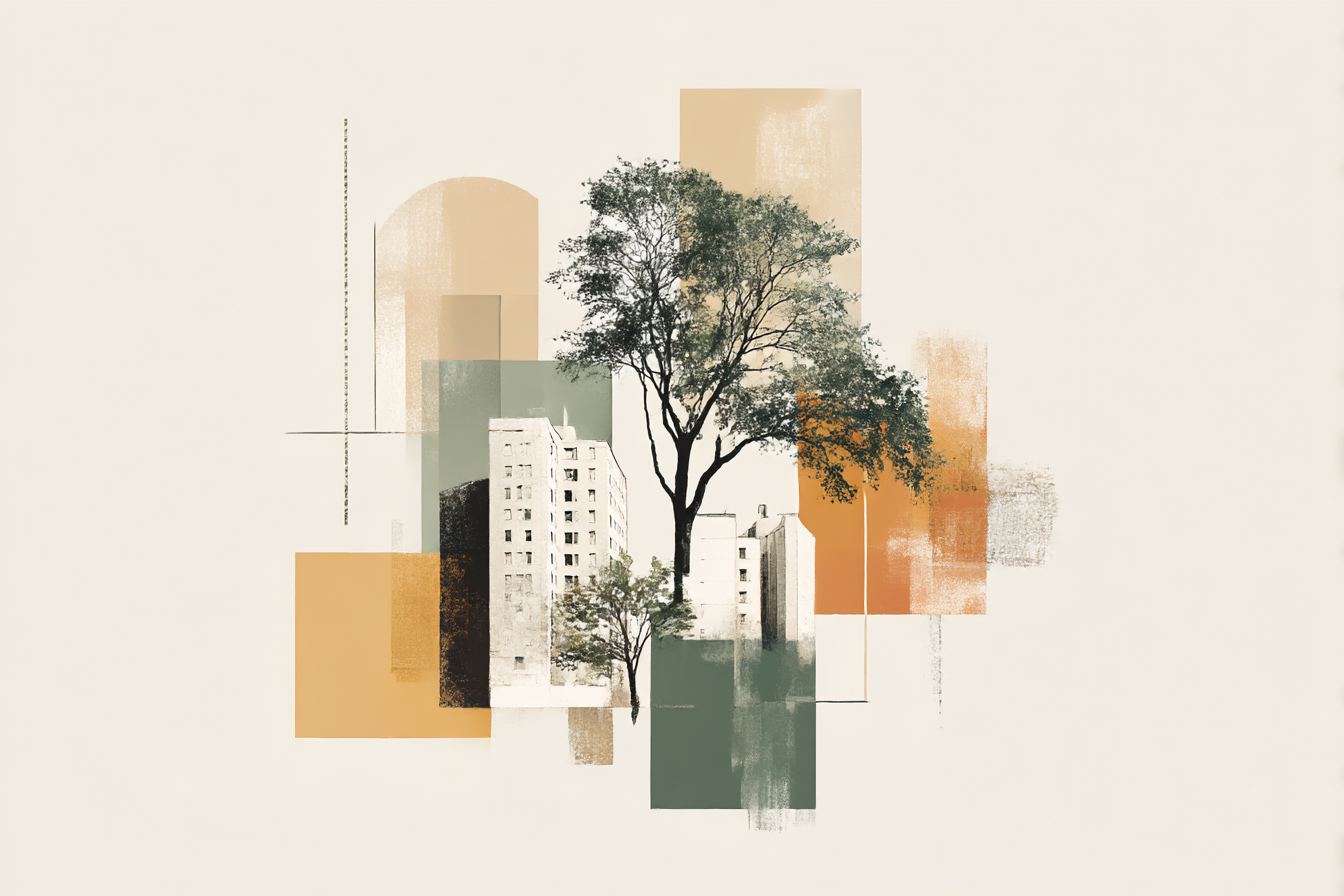
That moment, about three years ago now, crystallized something I'd been circling around for years. We've been thinking about urban planning all wrong. Instead of cramming nature into the leftover spaces of cities – a park here, a tree-lined street there – what if we flipped the script entirely? What if we started with natural systems and built our cities around them?
I know that sounds impossibly idealistic.

Trust me, I've sat through enough budget meetings and zoning hearings to understand the constraints. But I'm seeing more cities worldwide prove it's not only possible but actually more cost-effective in the long run.
Take Medellín, Colombia. When I visited last year, the transformation was staggering. This city that was once synonymous with violence has systematically woven green corridors through its urban fabric. Not as decoration, mind you, but as functional infrastructure. These "green corridors" cool the air temperature by up to 4 degrees Celsius, reduce flooding during heavy rains, and – here's the part that made my urban planner heart sing – they've become natural social connectors that bridge previously isolated neighborhoods.
The economics are compelling too, though it took me embarrassingly long to grasp this. My engineering background trained me to think in terms of upfront costs, but biophilic urban planning pays dividends that accountants love. Green roofs reduce building energy costs by 15-30% annually. Urban forests filter air pollutants, saving cities millions in public health costs. Permeable landscaping handles stormwater runoff far more cheaply than expanding sewer systems.
But here's what really gets me excited – and I apologize if I sound like a total nerd about this – it's the cascading effects on human behavior. When I worked on a small-scale pilot project in Baltimore (basically turning three vacant lots into a connected green space), we tracked some unexpected outcomes. Crime in the surrounding blocks dropped 16% within six months. Property values increased, sure, but more interesting was how community interactions changed. People lingered outside longer, neighbours started talking to each other, kids played in areas their parents had previously avoided.
My friend Sarah, who works in public health, calls this "social biophilia" – the idea that when we create spaces that honour our connection to nature, we simultaneously strengthen our connections to each other. I think she's onto something profound.
The challenge, of course, is convincing developers and city councils to think beyond quarterly reports and election cycles. Natural systems operate on different timescales than human decision-making, which creates this fundamental tension. A tree planted today won't provide meaningful shade for five years, full canopy benefits for fifteen. That's longer than most political careers.
I've learned to focus on what I call "quick wins with long-term vision." Simple interventions that deliver immediate benefits while setting the stage for larger transformations. Daylight harvesting systems that reduce energy costs immediately while improving occupant wellbeing. Bioswales that handle drainage problems while creating wildlife habitat. Green walls that provide acoustic buffering while cleaning indoor air.
You Might Also Like

The technological possibilities are evolving rapidly too, though I try to stay grounded in what's actually implementable. Smart irrigation systems that respond to real-time weather data and soil moisture. Integrated photovoltaic panels that power air circulation systems in living walls. LED arrays that support plant growth in low-light urban environments while mimicking natural circadian rhythms for human occupants.
But honestly? Some of the most effective solutions are laughably simple. Milan's "Bosco Verticale" towers get all the architectural press, but I'm equally impressed by their systematic expansion of bicycle infrastructure integrated with street-level plantings. Or Copenhagen's "cloudburst roads" – essentially streets redesigned to channel excess rainwater into blue-green infrastructure during extreme weather events while functioning as normal streets most of the time.
What frustrates me is how often we overcomplicate things. I recently consulted on a hospital renovation where the administration wanted to install expensive "nature simulation" screens throughout patient rooms. The building had gorgeous mature oak trees directly outside most windows, but decades of "privacy" film had blocked the views. We spent $200 removing old film instead of $50,000 on artificial nature displays. Patient satisfaction scores improved just as much, maybe more.
The equity questions keep me up at night though. Biophilic urban design often gets implemented first in affluent neighborhoods – because they have the political influence to demand it and the property values to justify it. Meanwhile, communities that would benefit most from improved air quality, reduced urban heat island effects, and enhanced mental health resources get stuck with whatever conventional development is cheapest.
I've started working specifically with community land trusts and affordable housing developers to address this. Last month I helped design a low-income senior housing project in Detroit that incorporates extensive food gardens, passive solar heating, and shared greenhouse spaces for year-round growing. The construction costs were actually lower than conventional design because we eliminated expensive mechanical systems by using passive environmental controls.
The residents haven't moved in yet, but the anticipation is palpable.
During community meetings, I watched 70-year-olds get genuinely excited about tending tomatoes and teaching grandchildren about composting. That's the stuff that makes all the technical challenges worthwhile.
Looking ahead, I'm particularly intrigued by how climate adaptation is pushing biophilic urban design into the mainstream. Cities can't afford not to incorporate natural systems anymore. Sea-level rise, extreme heat events, intensified storm patterns – these aren't abstract future concerns but immediate infrastructure challenges requiring nature-based solutions.
Rotterdam's water squares, Portland's eco-districts, Singapore's city-wide park connector network – these aren't feel-good amenities anymore. They're critical infrastructure for urban survival in the climate reality we're already living in.
The shift is happening faster than I expected when I started this work. Five years ago, I had to explain why buildings should incorporate living systems. Now I'm fielding calls from mayors asking how quickly we can implement district-wide biophilic strategies. That's the kind of problem I'm happy to solve.



