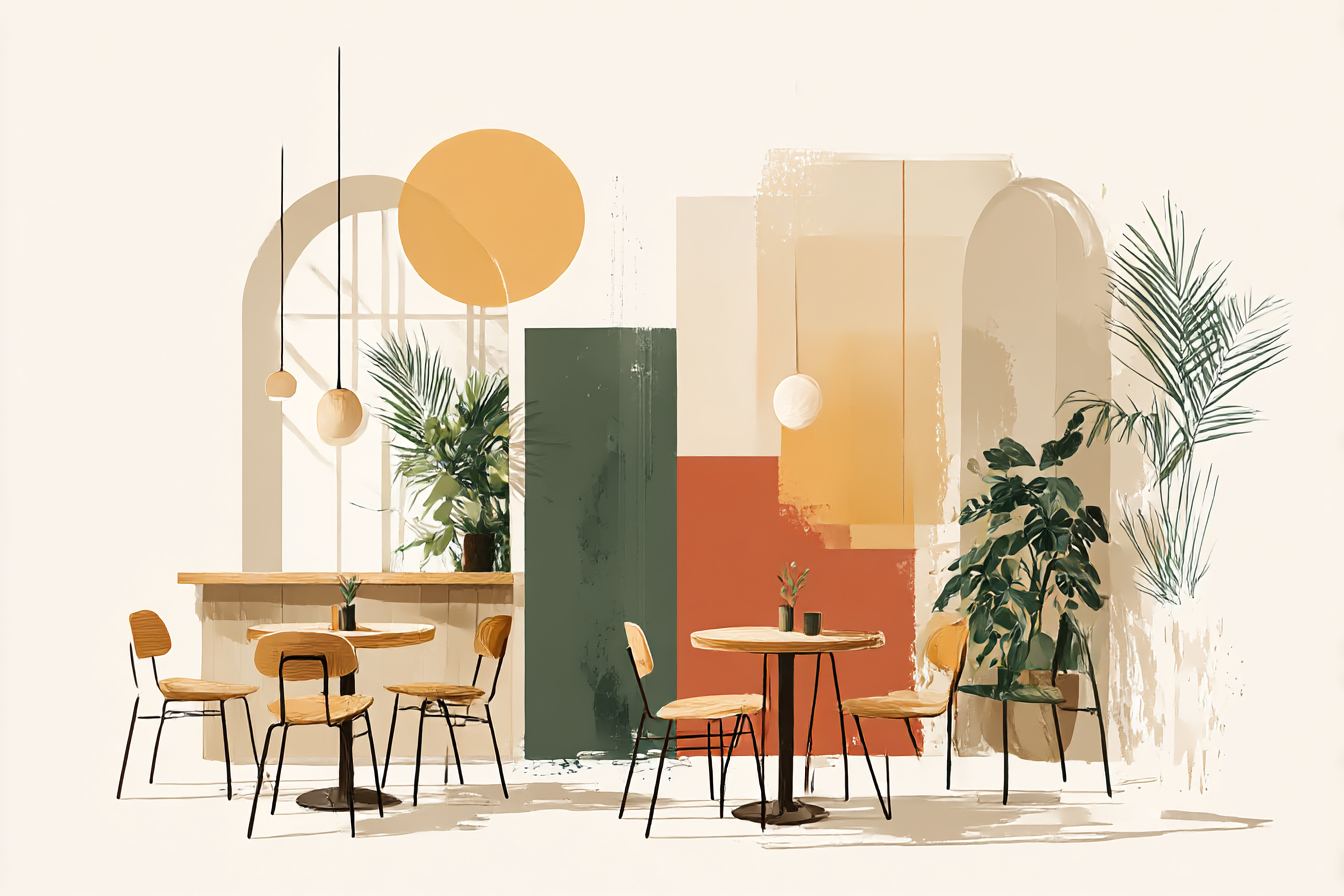
The server at this little place in Portland set down my plate of wild salmon – locally caught, she mentioned – and something clicked. Not just about the food, which was incredible, but about the entire experience. I was sitting beneath what looked like a living canopy of ferns and moss, natural light streaming through skylights that had been positioned to catch the afternoon sun just right. The walls weren't walls so much as they were vertical gardens, and I swear I could hear water trickling somewhere behind the greenery.
That restaurant visit three months ago got me thinking about how rarely we eat in spaces that feel truly alive. Most dining experiences happen in these sterile boxes – fluorescent lights buzzing overhead, synthetic materials everywhere, maybe a sad philodendron dying slowly in the corner if you're lucky. But what if restaurants could actually restore us instead of just feeding us?
I've been obsessing over this idea ever since, particularly after working with a client last spring who wanted to transform their farm-to-table concept into something more than just a marketing phrase.
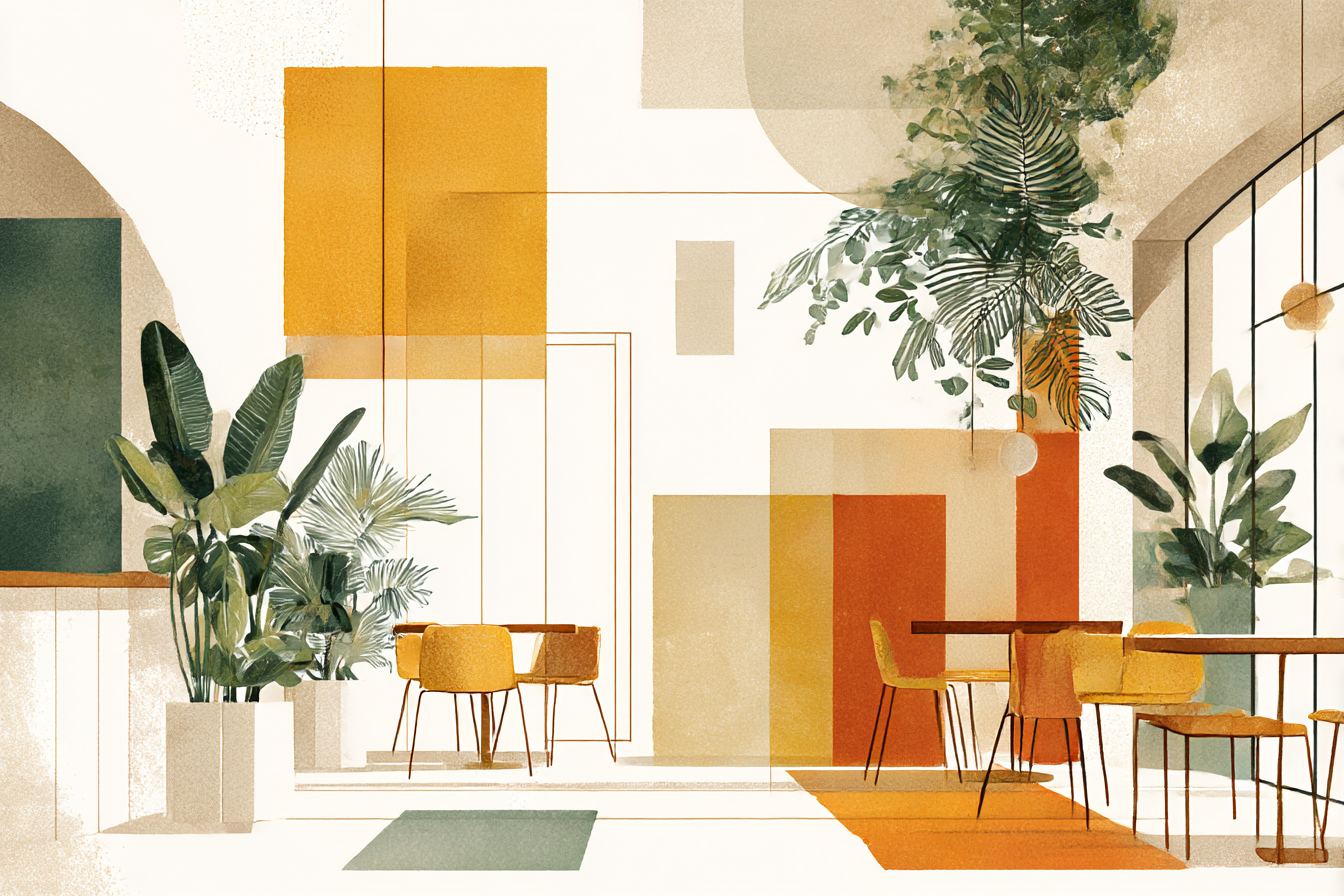
Sarah runs this 40-seat restaurant in Minneapolis (yeah, I keep ending up back there – something about those brutal winters that makes people really appreciate nature when it shows up indoors). She'd been struggling with customer turnover during the shoulder seasons. People would come in, eat quickly, and leave. No lingering over dessert, no second rounds of drinks.
<blockquote>"It feels more like a cafeteria than a place you'd want to spend an evening," she told me during our first walk-through. She wasn't wrong. The space had good bones – high ceilings, decent natural light from street-facing windows – but it felt cold. Institutional. The kind of place where you'd expect to see those industrial salt and pepper shakers bolted to the tables.</blockquote>
We started small because, honestly, restaurant budgets are tight and owners are understandably nervous about dramatic changes. The first intervention was lighting. I convinced Sarah to replace those harsh overhead fixtures with a combination of warm LEDs that could dim throughout the evening and some strategic accent lighting that highlighted specific areas. But here's where it got interesting – we programmed the lights to shift throughout the day, mimicking natural circadian rhythms. Brighter and cooler during lunch service, gradually warming and dimming as evening approached.
<img class="size-full" src="http://wonkydogltd.co.uk/medium/wp-content/uploads/2026/01/im1979_biophilic_restaurant_design._Image_taken_with_a_Canon__6ce0da6c-9120-4dfc-a5ce-9b0818fe153f_0.jpg" alt="im1979_biophilic_restaurant_design._Image_taken_with_a_Canon__6ce0da6c-9120-4dfc-a5ce-9b0818fe153f_0" />
The difference was immediate. Customers started staying longer, especially during dinner service. Sarah noticed people ordering wine more frequently, dessert sales jumped about 30%, and – this surprised both of us – she started getting more requests for reservations during off-peak hours.
Encouraged by that success, we tackled the bigger challenge: bringing actual life into the space. The back wall was perfect for what I had in mind – a modular living wall system that wouldn't require major structural changes. We selected plants specifically for their air-purifying qualities and their ability to thrive in restaurant conditions. Pothos for reliability, snake plants because they're nearly indestructible, and some beautiful trailing varieties whose names I can never remember (I really should write these down better).
Installation day was… chaotic. The irrigation system leaked twice – once onto a table of lunch customers, which Sarah handled with remarkable grace – and we discovered that the mounting system couldn't handle the weight of fully saturated growing medium. Had to reinforce the whole thing with additional brackets. But once we got it working? Magic.
The plants weren't just decoration; they were actively improving the air quality. Restaurant kitchens produce a lot of heat, humidity, and various airborne particles. The living wall was essentially acting as a natural air filtration system. Customers started commenting on how fresh the air felt, even with the kitchen running full tilt during busy dinner service.
You Might Also Like
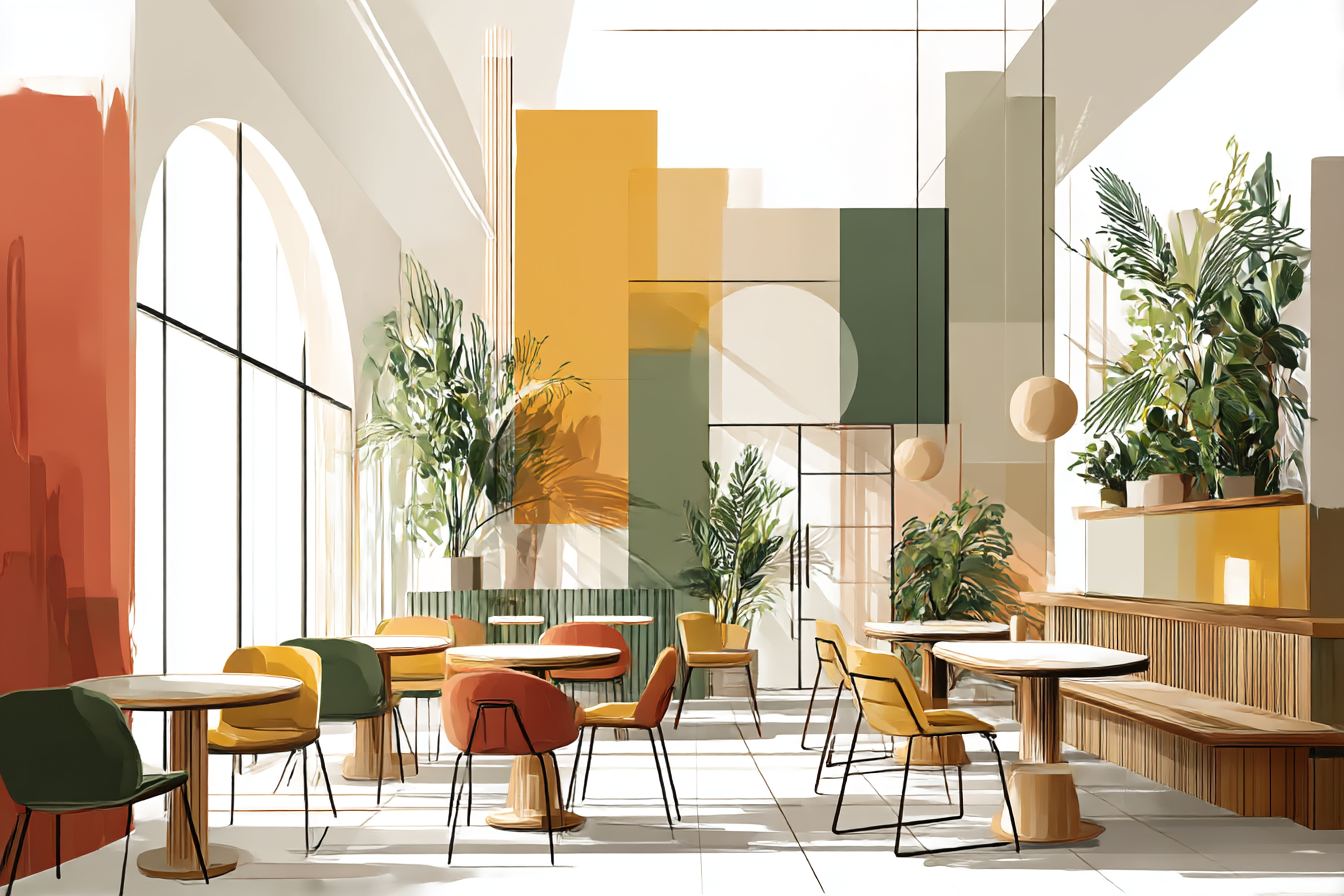
Next came materials. Sarah's existing furniture was functional but uninspiring – generic commercial chairs and tables that screamed "restaurant supply catalogue." We couldn't replace everything at once (budget constraints are real), but we started swapping out pieces gradually. Instead of those plastic chairs, we found reclaimed wood seating with natural edge details. The tables got live-edge walnut tops that Sarah's carpenter friend made from locally sourced timber.
I love watching people's hands when they sit down at these new tables. Almost unconsciously, they start running their fingers along the wood grain. There's something primal about that connection to natural materials – research backs this up, but you don't need studies to see how people relax when they can actually touch something that grew from the earth.
The sound environment needed work too. Hard surfaces everywhere meant every conversation, every clatter of dishes, every scrape of a chair created this cacophony that stressed everyone out. We couldn't do major acoustic renovation, but we got creative. Those living walls? They absorb sound beautifully. We added some subtle water features – nothing dramatic, just small fountains that created gentle background noise to mask the kitchen sounds and conversations at other tables.
Here's something I didn't expect: the staff started behaving differently. Servers lingered at tables longer, engaging in more meaningful conversations with customers. The kitchen crew, visible through an open pass, seemed less stressed even during busy periods. Sarah mentioned that employee turnover dropped significantly after the renovations. Coincidence? Maybe, but I don't think so.
The real test came during Minneapolis's notoriously difficult winter. This is when most restaurants see their lowest occupancy, when the novelty of any design wears off and you're left with whether the space actually makes people feel better. Sarah's numbers held steady. More than that, she started attracting customers who came specifically for the atmosphere. People working on laptops during slow afternoon hours, families with young children who seemed calmer in the nature-rich environment, even some unusual evening customers – folks on first dates who'd heard the place was "different."
<img class="size-full" src="http://wonkydogltd.co.uk/medium/wp-content/uploads/2026/01/im1979_biophilic_restaurant_design._Image_taken_with_a_Canon__6ce0da6c-9120-4dfc-a5ce-9b0818fe153f_1.jpg" alt="im1979_biophilic_restaurant_design._Image_taken_with_a_Canon__6ce0da6c-9120-4dfc-a5ce-9b0818fe153f_1" />
We're six months in now, and Sarah's planning phase two. She wants to add more plant varieties, maybe some seasonal elements that change throughout the year, and she's been asking about incorporating edible plants that could actually contribute to menu ingredients. Imagine dining surrounded by the herbs and microgreens that are flavoring your meal.
<blockquote>What we've created isn't just restaurant design – it's proof that commercial spaces can nurture rather than exhaust us. Every meal becomes a small retreat from the concrete and steel world outside.
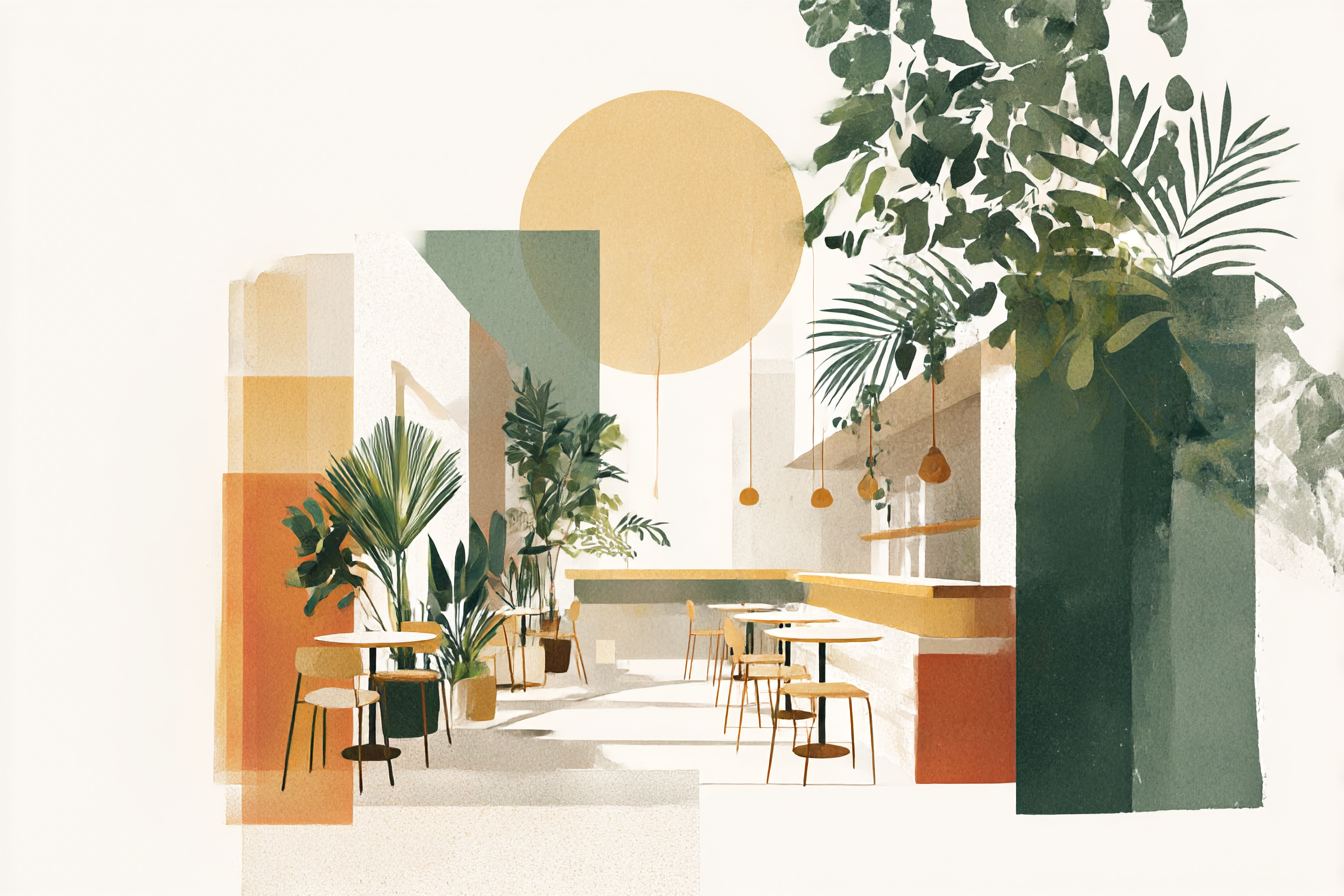
When you're surrounded by living systems, breathing cleaner air, touching natural materials, and experiencing light that shifts like actual daylight, eating becomes more than just consuming calories.</blockquote>
The best part? None of this required massive renovation or astronomical budgets. We worked within existing constraints, made changes gradually, and focused on elements that delivered maximum impact for the investment. Other restaurant owners have started visiting, wanting to understand how they can bring these principles into their own spaces.
That Portland restaurant where this all started? I went back last week. Still incredible, still inspiring. But now I know it doesn't have to be unique. With some thoughtful planning and a willingness to think beyond traditional restaurant design, any dining space can become a place where people don't just eat – they reconnect with the natural world, even in the heart of the city.