
Standing in a corporate boardroom last Tuesday, watching executives debate whether to install "fake plants or real ones" in their new headquarters, I realised we're still missing the point entirely. Real versus artificial isn't the fundamental question – it's about understanding how humans are wired to connect with natural systems and designing spaces that honour those connections.
I've spent the better part of fifteen years figuring out what actually works when you're trying to bring nature into built environments. Not the Instagram-worthy living walls that die within six months (trust me, I've killed plenty), but the subtle, research-backed approaches that genuinely improve how people feel and function in spaces.
The thing is, most designers approach biophilic design like they're decorating a cake with leaves. Pretty, sure, but missing the deeper biological programming that's driving our responses to natural elements. We're not just aesthetically attracted to nature – our nervous systems, stress hormones, and cognitive processing all function better when we're connected to natural patterns and processes.
Take fractals, for instance. You know those repeating geometric patterns you see in fern fronds, tree branches, and coastlines?
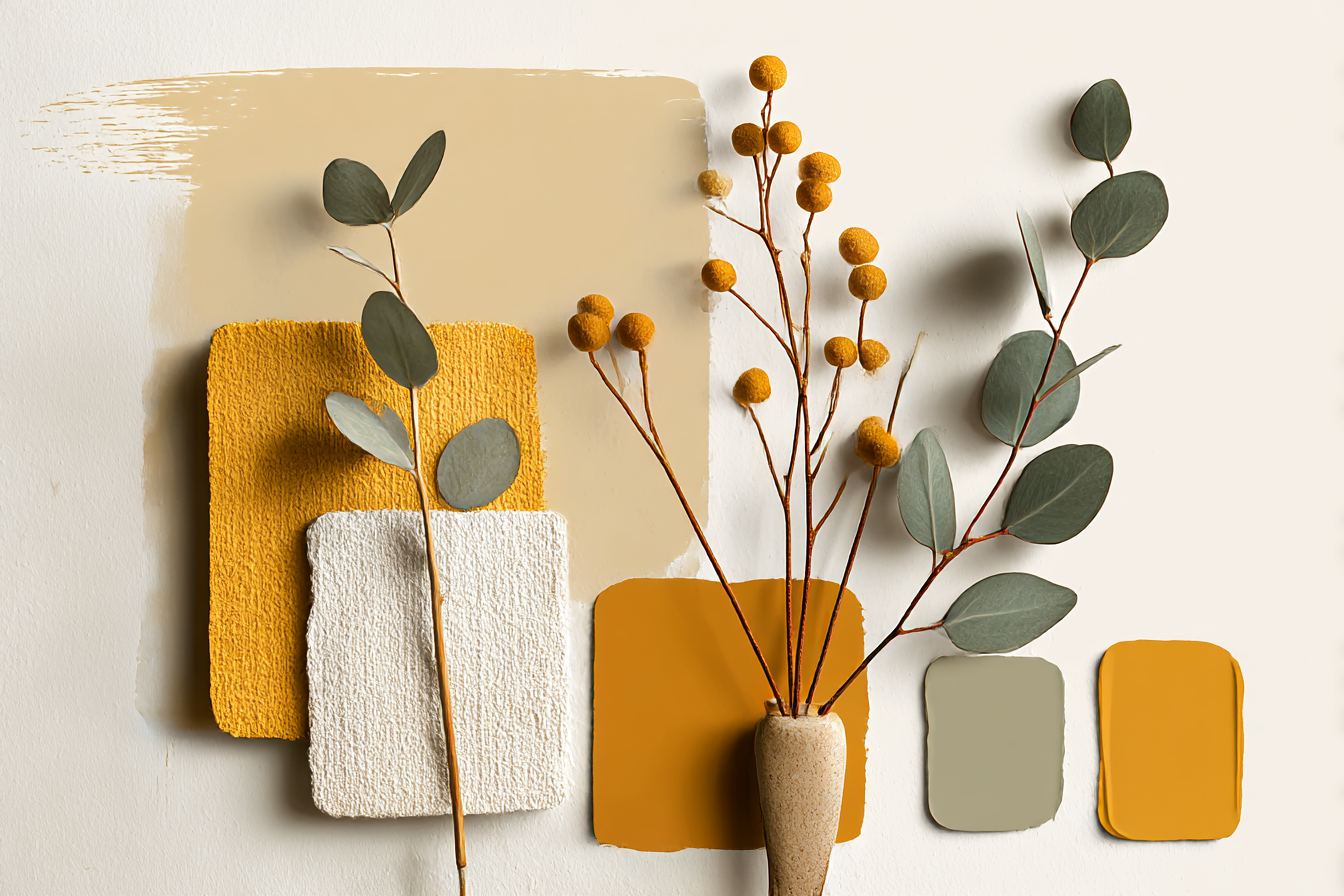
Our brains are literally hardwired to find them calming. I learned this the hard way after spending months trying to understand why people consistently relaxed more in one corner of my apartment than anywhere else. Turns out it was positioned where afternoon light filtered through my Japanese maple, casting those infinitely complex branching shadows across the wall. Pure accident, but incredibly effective.
The research on this stuff is pretty mind-blowing. Studies show that viewing fractal patterns for just sixty seconds can reduce stress by up to 60%. But here's where most designers go wrong – they think this means adding some wavy wall panels or leaf-patterned wallpaper. Nope. The magic happens when you create opportunities for real fractal experiences – shadows from plants, water movement patterns, even the grain structure in unfinished wood.
My current obsession involves what researchers call "prospect and refuge" – basically our evolutionary need to feel simultaneously protected and able to survey our environment. Think about where you instinctively choose to sit in a restaurant. Corner booth with your back to the wall and clear sightlines? Bingo. Cave dweller brain engaged.
I've been experimenting with this in office environments, creating what I call "productive caves" – workstations with partial overhead canopies (usually planted) and clear views out to more open areas. The productivity data is remarkable. People report feeling more focused and less anxious, and sick days actually decrease. One firm I worked with in Portland saw a 15% improvement in task completion rates after implementing these spaces.
But here's what really gets me excited – the temporal aspects that most people completely ignore. Nature isn't static, right? It changes throughout the day, through seasons, in response to weather. Yet most biophilic design treats natural elements like museum pieces.
I've become slightly obsessed with circadian lighting – not just the basic day/night cycle stuff, but replicating the subtle colour temperature shifts that happen naturally. Our bodies produce different hormones based on light cues, and artificial lighting that stays consistent all day basically confuses our entire system. I installed programmable LEDs in my workspace that shift from cool blue-white in the morning to warm amber by evening. Sounds nerdy, but my sleep quality improved dramatically.
Water's another element that most people get completely wrong. They install some massive fountain that sounds like Niagara Falls and wonder why everyone finds it overwhelming instead of calming. Natural water sounds – gentle streams, light rain, soft lapping – operate at specific frequency ranges that actually synchronize with brainwave patterns associated with relaxation. I built a recirculating water feature using copper tubing and a small pump that creates these soft bubble sounds. Total cost: $47. Effect on stress levels: priceless.
You Might Also Like
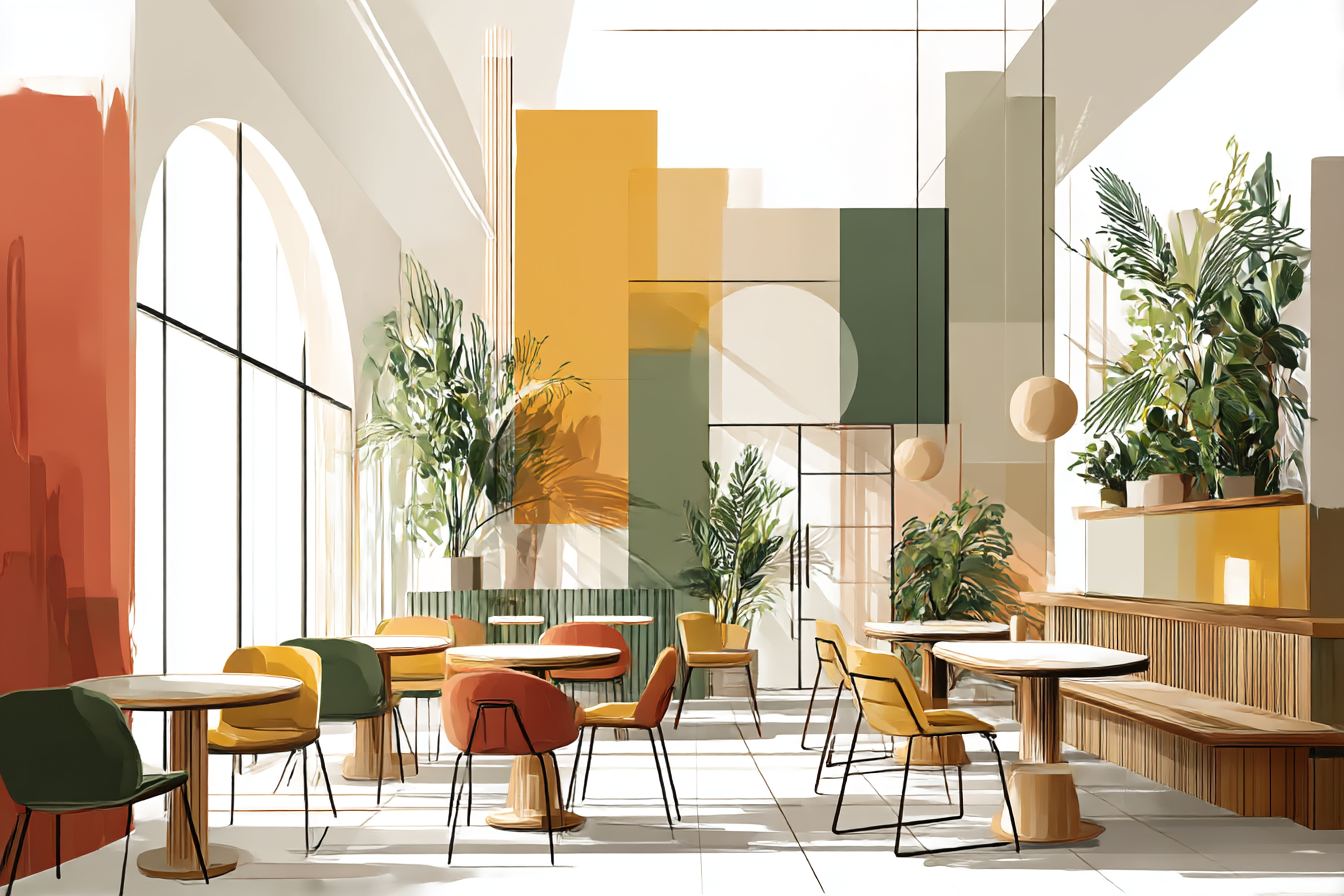
The materials conversation fascinates me too. We have all this research showing that touching natural materials – unfinished wood, stone, natural fibres – triggers measurable physiological responses. Lower cortisol, reduced heart rate, improved mood. Yet we keep covering everything in synthetic finishes and wondering why spaces feel sterile.
I've been working with a healthcare facility in Denver that was dealing with major patient anxiety issues. We couldn't do major renovations, but we introduced natural material touchpoints throughout – wooden handrails instead of metal, stone accent walls, even small samples of different wood species that patients could handle during waiting periods. Patient satisfaction scores went up 23% within three months.
Plants, obviously, are crucial – but not in the way most people think. Sure, they clean air and look nice, but the real benefits come from the connection and care relationship. Watching something grow, participating in natural cycles, having responsibility for living systems. This is why successful office plant programs always involve employee participation in care, not just maintenance staff.
I learned this from a spectacular failure in Chicago. Installed these gorgeous but high-maintenance living walls in a law firm lobby. Looked amazing for about six weeks, then started declining because nobody felt any connection to them. Replaced them with simple desk plants that employees chose and cared for themselves. Lower maintenance, higher satisfaction, and people actually reported feeling more connected to their workspace.
The scent dimension gets overlooked constantly too. Natural scents – pine, lavender, fresh soil – can trigger immediate stress reduction and improved cognitive performance. But we have to be careful here. Artificial scents, even nature-inspired ones, often create the opposite effect. I use small herb gardens and strategically placed aromatic plants instead of any kind of artificial scenting.
View connections are probably the most powerful and underutilized tool we have. Even brief glimpses of natural settings – trees, sky, water – can restore attention and reduce mental fatigue. Roger Ulrich's famous hospital study showing faster recovery times for patients with window views of trees versus brick walls? That research is from 1984, and we're still not implementing it consistently.
I'm currently working on a project where we're creating "borrowed views" – using mirrors and strategic openings to bring outdoor scenes into interior spaces that don't have direct access. The psychological impact is nearly identical to actual windows, but the implementation costs are minimal.
What really drives me crazy is when people dismiss this as trendy or superficial.

We're talking about basic human biology here. Millions of years of evolution don't disappear because we invented air conditioning. Our bodies and brains still expect natural light patterns, fresh air, living systems, and connection to seasonal cycles.
The key is integration, not decoration. Real biophilic design starts with understanding how natural systems work and then finding ways to incorporate those patterns and processes into built environments. It's about creating spaces that support how we're actually wired to function, not just spaces that look like nature.
Every project teaches me something new. Recently discovered that the direction of wood grain can affect how calming people find a surface. Horizontal grain patterns test as more relaxing than vertical ones – probably some evolutionary connection to lying down in grasslands. Who knew?