Walking through my local plant nursery last Tuesday, I overheard a conversation that stopped me in my tracks. A woman was explaining to her friend that she'd killed "every plant I've ever touched" and had given up on bringing greenery indoors. Her friend nodded knowingly – apparently, she was part of the same club.
I wanted to interrupt and tell them they weren't plant killers. They just hadn't found their plants yet.
See, there's this misconception that all houseplants are created equal, that if you can't keep a finicky fiddle leaf fig alive, you're doomed to barren windowsills forever. That's like saying you're bad at cooking because you burned soufflé on your first attempt. You wouldn't start learning piano with Rachmaninoff, right?
After fifteen years of testing plants in my own space and consulting on biophilic installations, I've learned that success comes down to honest matchmaking.
Not between you and some Instagram-famous plant, but between your actual living conditions and species that genuinely thrive in those conditions.
My apartment gets morning light through east-facing windows, then shifts to indirect brightness the rest of the day. The humidity hovers around 40% (I measure it obsessively), and frankly, I travel enough that consistent watering… well, let's just say my plants need to be forgiving. Through trial and error – okay, fine, through killing more plants than I care to admit – I've discovered which species not only survive but actually improve my space in measurable ways.
The snake plant sitting in my bedroom corner doesn't just look architectural. It's working nights, literally. Most plants photosynthesize during the day, but Sansevieria releases oxygen after dark. I started sleeping better within two weeks of bringing it home, and my Oura ring data backed up what I felt – my sleep quality scores improved by an average of twelve points.
That discovery sent me down a rabbit hole of researching which plants actually do what, beyond just "purifying air" (a claim that gets thrown around way too loosely, honestly). The NASA Clean Air Study from the late '80s identified specific plants that remove particular toxins, but most people don't know that study was conducted in sealed chambers – not exactly your living room conditions.
So I started my own informal testing. Not scientifically rigorous, but practical. I installed a basic air quality monitor in my main living space and rotated different plants through over six months, tracking particulate matter, VOCs, and humidity levels. Some results surprised me.
The peace lily everyone raves about? Dramatic improvement in humidity levels – it basically acts like a living humidifier. But it's fussier about light than people admit, and those white blooms only last if you get the conditions just right. I've watched friends struggle with brown-tipped leaves for months because their peace lily was getting too much direct sun.
Pothos, though. Man, that plant just wants to live. I've got a golden pothos that's been with me through three apartment moves, survived a burst pipe that flooded my place for two days, and keeps growing even when I forget to water it for… longer than I should admit. It trails from a shelf in my home office, and I swear the air feels cleaner in that corner. Plus, the trailing vines create this natural privacy screen that makes video calls feel less harsh somehow.
You Might Also Like
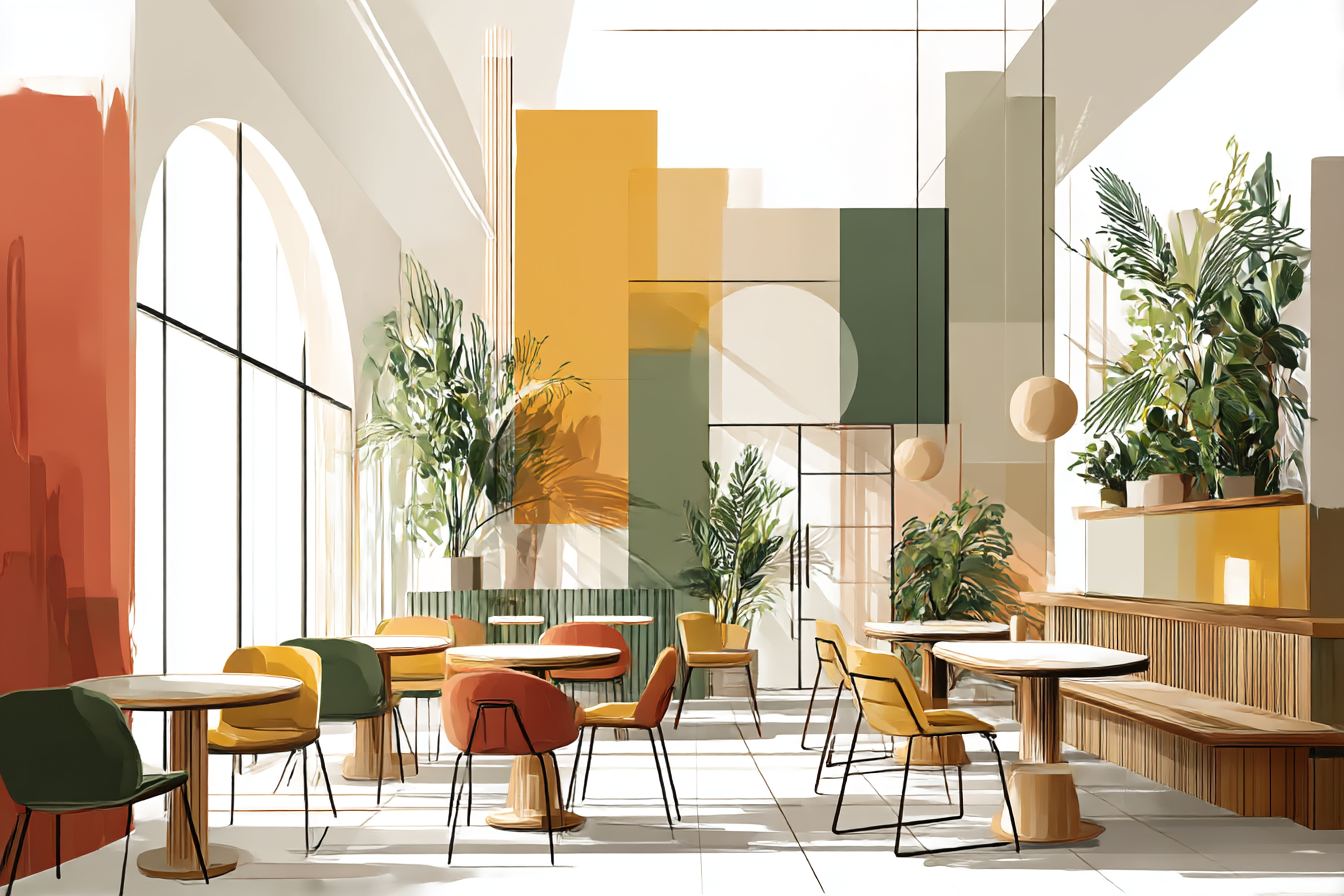
The rubber plant in my living room has become my favorite conversation starter. Not because it's rare or expensive – it cost maybe thirty dollars at the nursery – but because of how it changes throughout the day. Morning light makes those glossy leaves almost glow, and by evening, the whole plant creates these beautiful shadow patterns on the wall behind it. Visitors always comment on it without realising why that corner feels different from the rest of the room.
Here's what I've learned about choosing plants that'll actually work in your space: forget what looks good on Pinterest and start with your light situation. Really look at it. Not just "oh, I have a south window" but track how the light moves through your space during the day. I spent a whole Saturday taking photos of my living room every hour to understand the light patterns. Sounds obsessive, but it saved me from buying plants destined for failure.
Low light doesn't mean no light, but it does mean being realistic. ZZ plants handle genuine low-light conditions better than almost anything else. I've got one in my bathroom – no windows, just LED fixtures – and it's thriving. The leaves have this waxy shine that reflects available light, making the whole space feel brighter.
For medium light, I'm obsessed with Chinese evergreens. They come in varieties with pink, red, and silver markings that add visual interest without requiring perfect conditions. My Aglaonema 'Red Valentine' sits about six feet from a window and has been steadily growing new leaves for two years. Zero drama.
If you've got bright, indirect light – that sweet spot most plants love – you can experiment with ficus, monstera deliciosa, or bird of paradise. My monstera has gotten slightly out of control (in the best way), with leaves now spanning almost two feet. The fenestrations – those characteristic holes – develop as the plant matures, and watching new leaves unfurl never gets old.
The key insight I wish someone had shared with me years ago: start with plants known for resilience, then gradually experiment with more temperamental species as you learn what works in your specific environment.
Your confidence grows with each success, and you develop an intuitive sense of what plants need.
Watering kills more houseplants than neglect, in my experience. Most plants prefer to dry out between waterings rather than sit in constantly moist soil. I've started sticking my finger directly into the soil – if it's dry an inch down, it's usually time to water. Not very scientific, but way more reliable than following rigid schedules.
The real magic happens when you stop seeing plants as decoration and start appreciating them as living systems that interact with your space. That spider plant producing oxygen, that pothos removing formaldehyde from the air, that peace lily adding humidity – they're actively improving your environment in ways you can feel even if you can't measure them precisely.
My apartment now hosts about twenty plants, ranging from a dramatic fiddle leaf fig (yes, I eventually conquered one) to humble pothos cuttings propagating in water glasses. Each serves a purpose beyond aesthetics, whether it's improving air quality, adding humidity, or simply providing that psychological boost that comes from nurturing living things.
The woman at the nursery probably left empty-handed that day, convinced she was destined for brown thumbs forever. But somewhere out there is a snake plant or pothos or rubber tree that would thrive in her space and maybe – just maybe – help her discover that she's not a plant killer after all. She just hasn't met the right plant yet.