I was having coffee with my therapist last Thursday (yes, I see a therapist – this work can mess with your head sometimes), and she asked me something I hadn't really considered before: "Who are the people actually drawn to these nature-filled spaces you create?"
It got me thinking. You know, after years of documenting biophilic design and watching people interact with nature-integrated environments, I've started noticing patterns in who gravitates toward these spaces versus who just… doesn't get it.
Take my neighbour Marcus, for instance. Guy's a software engineer, works remotely, spends probably fourteen hours a day staring at screens. When I invited him over after finishing my latest living wall experiment, he walked in and immediately gravitated toward the corner where morning light filters through my collection of hanging ferns. Didn't say anything profound – just stood there for like ten minutes, breathing differently. Turns out he'd grown up on a farm in Iowa before his parents moved the family to Chicago when he was twelve. "I forgot," he told me later, "I forgot what quiet felt like."
<blockquote>That's the thing about biophilic people – and I use that term loosely because it's not like we're a distinct species or anything – we often have these early nature connections that got interrupted somehow.
Maybe by urban life, career demands, or just the general momentum of modern living. But the yearning stays.</blockquote>
I've been keeping informal notes (okay, it's become a mild obsession) about the people who respond most strongly to nature-integrated spaces. The patterns are fascinating and totally unscientific, but hear me out.
<img class="size-full" src="http://wonkydogltd.co.uk/medium/wp-content/uploads/2026/01/IM_Biophilic_Trends_The_Future_of_Nature-Inspired_Spaces_This_i_2d51203f-dde8-4159-a441-234548a1ad42.webp" alt="IM_Biophilic_Trends_The_Future_of_Nature-Inspired_Spaces_This_i_2d51203f-dde8-4159-a441-234548a1ad42" />
First, there are the "recoverers" – people who've experienced some form of burnout, illness, or major life disruption. I worked with a corporate lawyer last year who'd had a heart attack at thirty-eight. Sarah wanted to transform her home office because, in her words, "I can't keep working in a space that feels like the place I almost died." We installed a small water feature, brought in specific plants chosen for air purification, and created sight lines to her backyard garden. Six months later, her blood pressure had dropped measurably. Coincidence? Maybe. But she swears the space change was pivotal to her recovery.
Then there are what I call the "sensory seekers." These folks often work in highly digital or abstract fields – programmers, accountants, writers, designers. They crave tactile experiences and physical connection to balance all that mental abstraction. My friend Jake, who develops apps for a living, comes over specifically to touch my wood samples and run his hands along the bark-textured wall treatments. "It's like my nervous system remembers something," he says. I get it completely.
The third group surprises people: hardcore urbanites who've never lived anywhere but cities. You'd think they'd be the least interested, right? Wrong. Some of the most enthusiastic responses I've seen come from lifelong city dwellers who are hungry for what they've been missing without knowing it. I consulted on a Brooklyn apartment renovation for Maria, a woman who'd lived in New York for forty years. When we added a green wall system and natural light optimization to her studio, she literally cried. "I didn't know apartments could feel alive," she said.
Children, obviously, are natural biophilic people, but what's interesting is watching which kids maintain that connection as they grow up. I've noticed it often correlates with having at least one adult in their life who values nature connection – not necessarily outdoor adventure types, but people who notice seasonal changes, keep plants, or create spaces where inside and outside blur together.
The flip side is equally revealing. Some people just don't respond to biophilic elements at all. My cousin Danny thinks my apartment looks "messy" with all the plants. He prefers clean lines, minimal surfaces, controlled environments. And that's fine! I mean, it drives me slightly crazy because I want everyone to experience what I experience in these spaces, but people have different comfort zones.
You Might Also Like
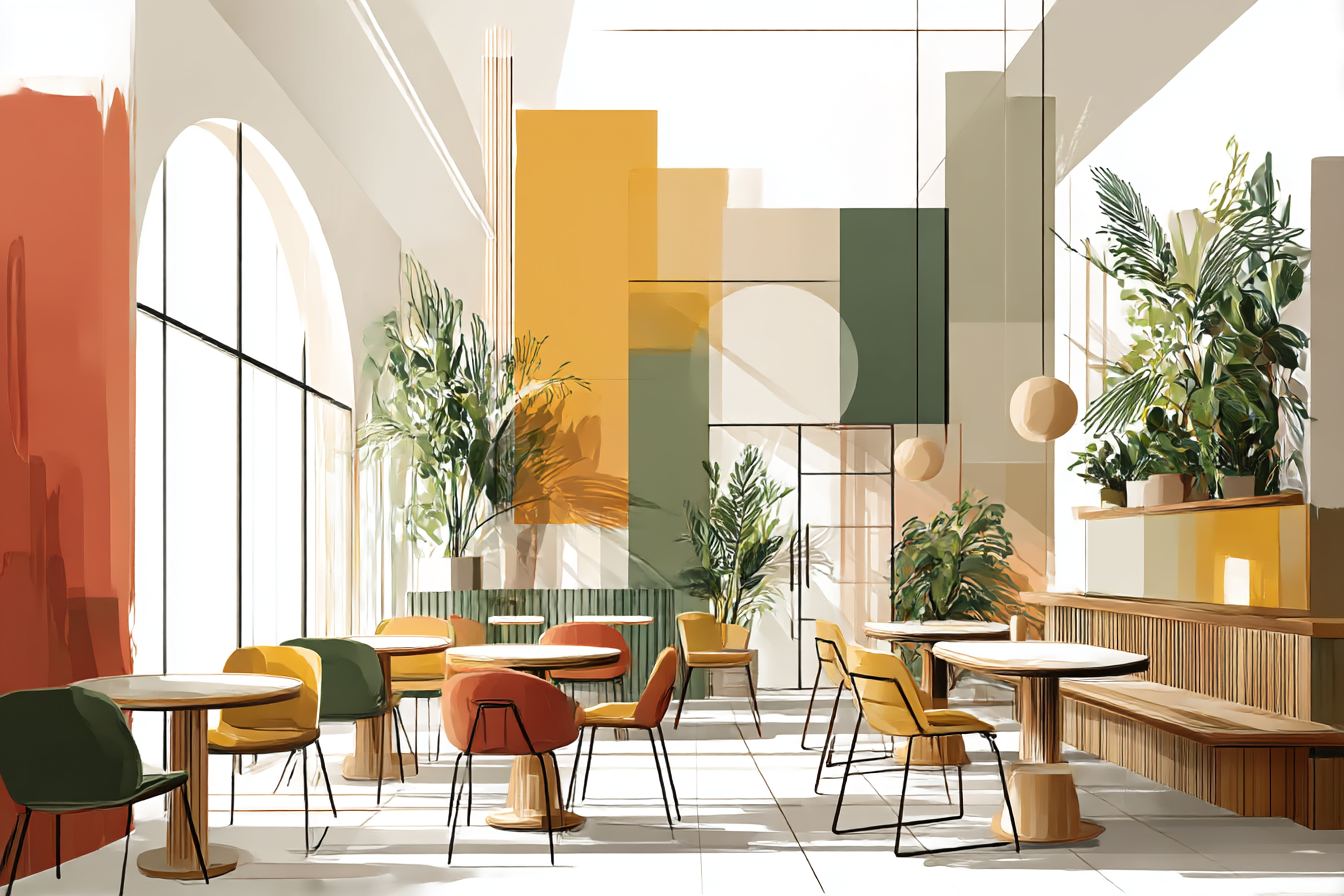
What's really interesting is watching people's resistance dissolve over time. I had a client, Robert, who was skeptical about incorporating natural elements into his medical practice. "Patients want clean and sterile," he insisted. We compromised on subtle interventions – natural wood accents, a small water feature in the waiting area, and large windows with views of mature trees. Three months later, he called to tell me patient satisfaction scores had increased and people were commenting on how "calming" the space felt. Now he's planning a healing garden for the outdoor courtyard.
The personality traits that seem to correlate with biophilic preferences are fascinating. High sensitivity to environmental stimuli is huge – people who notice when fluorescent lights feel harsh, who can sense the difference between natural and artificial materials, who get headaches in windowless spaces. Also, folks who tend toward what psychologists call "nature connectedness" – basically, people who feel their wellbeing is tied to the health of natural systems.
But honestly? I think most people are biophilic to some degree. We've just been conditioned to ignore those impulses. Our built environments train us to accept disconnection from natural systems as normal. When I speak at conferences, I often do this exercise where I ask people to close their eyes and remember the most restorative space they've ever experienced. Ninety percent describe places with natural elements – gardens, forests, spaces with water features, rooms with amazing natural light.
The interesting question isn't really who's biophilic, but who's been allowed to stay connected to those instincts and who's learned to suppress them.
I've started noticing generational differences too. Younger people often respond immediately to biophilic spaces but sometimes lack vocabulary for why they feel better in them. Older generations might be more skeptical initially but often have deeper knowledge about traditional ways of integrating nature into daily life. My grandmother's house had these amazing seasonal rhythms – different window treatments for summer and winter, seasonal plant rotations, natural material choices that aged beautifully. She never called it "biophilic design," but she intuitively understood how spaces could support human wellbeing through natural connections.
Professional background matters too. Healthcare workers often get it immediately – they've seen how environment affects healing. Educators understand how natural light and living elements improve attention and reduce behavioral issues.
But I've also worked with accountants and lawyers who become passionate advocates once they experience the difference these spaces make in their daily functioning.
<img class="size-full" src="http://wonkydogltd.co.uk/medium/wp-content/uploads/2026/01/IM_Biophilic_Trends_The_Future_of_Nature-Inspired_Spaces_This_i_0868f11d-9fcf-4eba-a60c-16b94b8f4a9f.webp" alt="IM_Biophilic_Trends_The_Future_of_Nature-Inspired_Spaces_This_i_0868f11d-9fcf-4eba-a60c-16b94b8f4a9f" />
The most enthusiastic biophilic people, though, are often those who've experienced the contrast most dramatically. People who've lived in sterile environments and then discovered what nature-integrated spaces feel like. Or folks who grew up with strong nature connections, lost them during career-building years, and are now ready to reclaim that relationship.
<blockquote>What gives me hope is watching the ripple effects. When someone transforms their space and experiences the benefits, they become evangelists. They share photos, invite friends over, start noticing biophilic elements everywhere. The conversation spreads organically because the benefits are genuinely felt, not just intellectually understood.</blockquote>
My therapist's question made me realise something important: biophilic people aren't a special category of humans. We're just people who've maintained or rediscovered our innate connection to living systems. And in a world increasingly dominated by artificial environments, that connection becomes both more precious and more necessary for basic wellbeing.
The real question isn't who chooses nature-inspired spaces, but who gets the opportunity to experience them in the first place.



