
My phone buzzed at 8:47 AM last Tuesday with a message from Sarah, the office manager at a tech startup downtown. "Can you swing by this afternoon? Our team's productivity has tanked since we moved to the new space." I'd heard this complaint dozens of times before, but what struck me was her follow-up text: "It's like everyone's energy just… died when we left the old building."
The old building she mentioned? I knew it well. Floor-to-ceiling windows, exposed brick, and those massive skylights that flooded the workspace with natural light. Their new "upgraded" space was everything modern commercial real estate promises – sleek, efficient, cost-effective. Also completely disconnected from anything resembling the natural world.
When I arrived, the contrast was jarring.

Fluorescent lighting hummed overhead while employees hunched over their screens, looking more like they were enduring their environment than working within it. The air felt stale despite the HVAC system running constantly. No plants, no natural materials, no connection to the rhythms of the day outside those tiny, high-set windows that might as well have been painted on the walls.
"We're spending a fortune on productivity consultants and team-building retreats," Sarah told me as we walked through the maze of identical cubicles. "But maybe it's simpler than that?"
She was right, of course. I've seen this pattern play out in dozens of offices, and the research backs up what our bodies instinctively know – we're not designed to function optimally in environments that completely sever our connection to nature. Our brains, evolved over millions of years in natural settings, don't just prefer biophilic elements; they need them to perform at their best.
The data on this is pretty remarkable, though I'll be honest, I didn't always believe it myself. Back in my corporate architecture days, I rolled my eyes when clients mentioned wanting "more nature" in their offices. Seemed like expensive wishful thinking. Then I started tracking performance metrics in spaces I'd designed with varying levels of natural integration.
The results were impossible to ignore. Offices with adequate natural light showed 15% higher productivity rates than those relying solely on artificial lighting. Spaces incorporating living plants reduced reported stress levels by nearly 40%. Even simple changes – replacing synthetic materials with wood, stone, or natural fibre elements – improved focus and reduced fatigue.
But here's what really convinced me: I watched it happen in my own workspace. A few years back, I was renting this basement office (terrible idea, by the way) that had exactly one small window at ground level. I was constantly tired, struggling to concentrate, and frankly, a little depressed without realising why. When I finally moved to a space with proper windows and added some strategic plant life, the change wasn't subtle. I was sleeping better, thinking clearer, and actually looking forward to going to work.
The science behind this makes perfect sense once you understand it. Our circadian rhythms – those internal clocks that regulate everything from hormone production to cognitive function – depend on natural light cues. Fluorescent bulbs don't cut it, no matter how bright they are. They lack the full spectrum and dynamic quality of sunlight that our bodies use to calibrate themselves throughout the day.
Natural light isn't just about brightness; it's about timing and quality. Morning light tends to be cooler and energizing, helping us feel alert and focused. Afternoon light warms up, preparing our systems for the wind-down toward evening. Artificial lighting that stays constant throughout the day disrupts these natural patterns, leaving us feeling jetlagged in our own offices.
Plants do more than just look nice (though they definitely do that). They're actively improving air quality by filtering out common indoor pollutants – formaldehyde from furniture, benzene from plastics, trichloroethylene from cleaning products. NASA's research on air-purifying plants isn't just interesting trivia; it's a roadmap for creating healthier indoor environments.
You Might Also Like
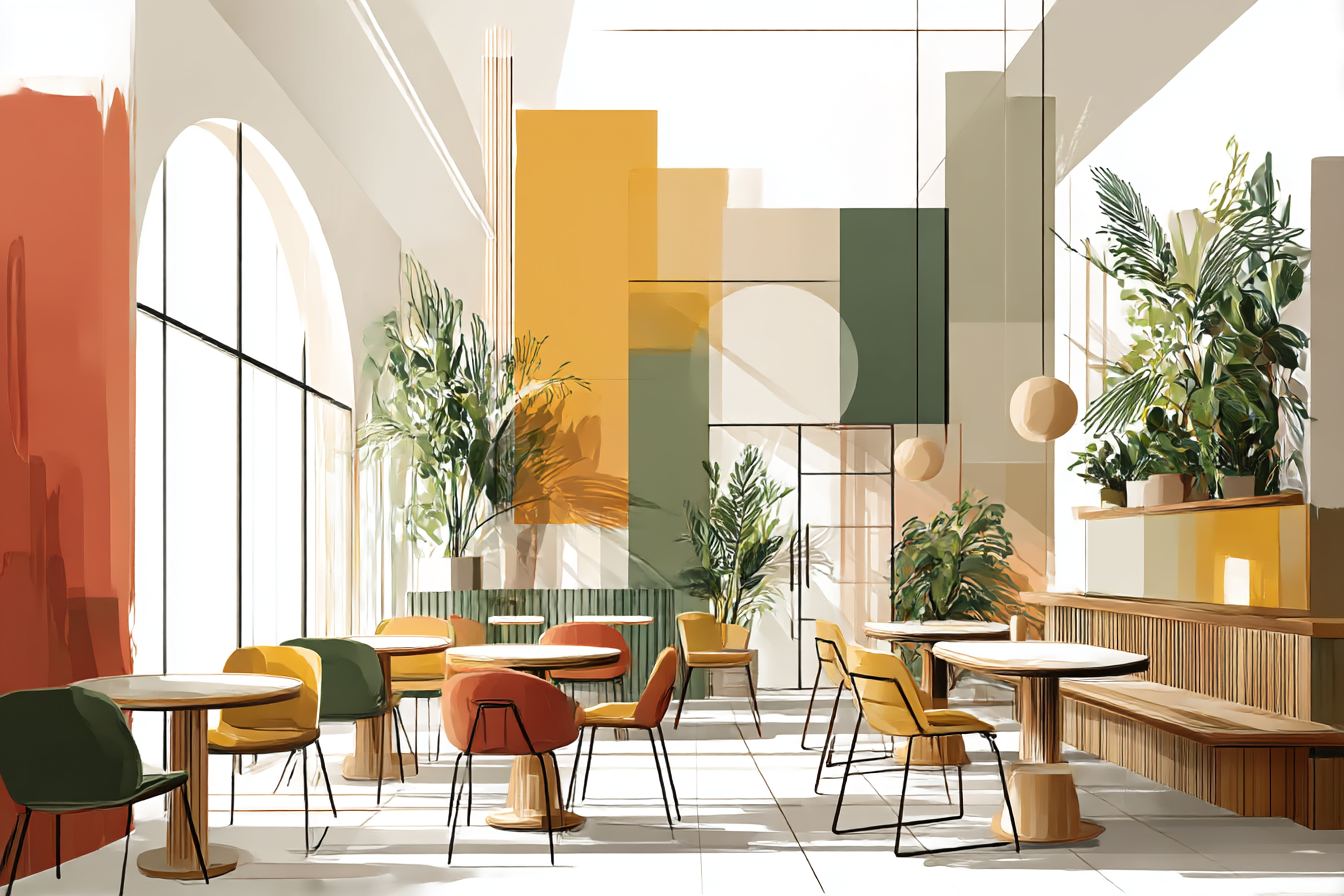
I learned this firsthand during a consulting project at a call centre where employees were experiencing unusually high rates of headaches and respiratory issues. We introduced a variety of plants – snake plants, pothos, peace lilies – throughout the space. Within six weeks, sick days dropped by 23% and employee satisfaction surveys showed significant improvement in perceived air quality.
The psychological benefits are just as important as the physical ones. There's something called "soft fascination" – the gentle, restorative attention we experience when viewing natural elements. Unlike the hard focus required for computer screens and detailed tasks, soft fascination actually helps our minds recover and recharge. This is why a brief walk outside or even looking at a plant on your desk can help you return to focused work with renewed mental energy.
Natural materials have their own impact too. Wood surfaces have been shown to reduce stress hormones compared to plastic or metal alternatives. There's tactile comfort in textures that our hands recognise as organic rather than manufactured. I've seen this play out in meeting rooms where negotiations proceed more collaboratively when the space incorporates natural wood tables and stone accents versus purely synthetic furnishings.
Water features might seem like overkill in an office setting, but even subtle ones – a small fountain, an aquarium, or recorded nature sounds – can mask distracting office noise while providing that connection to natural processes. The sound of flowing water triggers relaxation responses that help counteract the stress of deadlines and difficult conversations.
Colour psychology plays a role here too. Greens and earth tones don't just remind us of nature; they actually affect our nervous systems differently than the stark whites and greys common in commercial spaces. Warmer, more varied colour palettes help maintain alertness while reducing eye strain and mental fatigue.
The tricky part is implementation. Most office leases don't allow major renovations, and facilities managers worry about maintenance issues with living systems. But I've found that strategic, low-maintenance interventions can deliver significant benefits without overwhelming complexity or cost.
Mobile plant installations work well because they can move with reorganizations and don't require plumbing modifications. LED systems that mimic natural light cycles are becoming more affordable and can often replace existing fixtures without electrical upgrades. Natural material accents – wooden desk accessories, stone paperweights, woven textiles – add biophilic elements without permanent modifications.
What surprises people is how quickly these changes show results.

I typically see measurable improvements in employee satisfaction and performance metrics within 4-6 weeks of implementation. It's not a gradual adjustment – it's more like people suddenly remember what it feels like to work in an environment that supports rather than fights their biology.
The investment pays for itself pretty quickly too. Reduced sick days, lower turnover rates, and improved productivity easily offset the costs of plants, better lighting, and natural materials. Plus, offices with biophilic elements become significant advantages in recruiting and retention – something that matters more than ever in competitive job markets.
That tech startup I mentioned? We implemented a phased approach over three months. Natural lighting upgrades first, then strategic plant installations, followed by natural material accents and a small water feature in the main collaboration area. Employee surveys showed consistent improvement throughout the process, with the most dramatic jump after the lighting changes.
Creating truly biophilic workspaces isn't about turning offices into greenhouses. It's about recognising that humans perform better when their environment acknowledges that we're biological creatures, not machines that happen to need desks and computers.