
My coffee went cold this morning while I stood mesmerized by the way morning light filtered through the bamboo screen I'd installed last month. You know that moment when you realise you've been unconsciously holding your breath? That's what happened – I was so absorbed in watching the shadow patterns shift across my wall that everything else just… stopped.
It got me thinking about how we've somehow convinced ourselves that bringing nature indoors is this complicated, expensive endeavor requiring teams of specialists and maintenance contracts. But honestly? Some of the most effective interventions I've witnessed have been embarrassingly simple.
Take my friend Sarah's apartment in Brooklyn. She'd been struggling with seasonal depression, especially during those brutal February stretches when daylight feels like a rumor.

Her place was typical post-war construction – small windows, generic fixtures, that peculiar beige that landlords seem to love. We spent a Saturday afternoon repositioning her furniture to maximize natural light exposure, swapped out her overhead bulbs for full-spectrum LEDs, and added three strategically placed mirrors to bounce light around the space.
The transformation wasn't just visual. Within two weeks, she was sleeping better and actually cooking again instead of ordering takeout every night. No major renovation, no living walls, no water features – just thoughtful manipulation of light and reflection. Sometimes the most powerful changes are the ones you don't immediately notice.
I've been documenting these kinds of accessible interventions because, frankly, I'm tired of biophilic design being treated like some luxury amenity for tech campuses and high-end wellness centres. The research consistently shows that connection to natural elements improves cognitive function, reduces stress hormones, and even speeds physical healing. Why should those benefits be limited to people who can afford $50,000 living wall installations?
Last year, I worked with a community centre in North Philadelphia that was struggling with behavioral issues during their after-school program. Kids were restless, fights were breaking out, and staff turnover was constant. The director was ready to invest in security measures when I suggested we try something different first.
We couldn't change the building's bones, but we could work with what we had. The main activity room had these enormous south-facing windows that had been covered with institutional blinds for years – apparently someone thought direct sunlight would be "distracting." We removed those blinds, installed simple adjustable shade systems, and suddenly the room felt alive again.
Then we got creative with materials. I connected with a local urban farm that was discarding wooden shipping pallets, and we transformed them into vertical planters filled with easy-care species like pothos and snake plants. The kids helped with the planting – turns out many had never touched soil before, which broke my heart a little.
The changes weren't just aesthetic. Within three months, behavioral incidents dropped by 40%, and the kids started staying longer, some even doing homework voluntarily. The staff reported feeling less drained at the end of each day. One teacher told me the room "just feels calmer now," though she couldn't pinpoint exactly why.
That's the thing about effective biophilic design – it often works below conscious awareness. Our nervous systems respond to natural patterns, textures, and lighting conditions in ways our analytical minds don't fully register. I've seen corporate clients insist they don't care about plants or nature, then watch them unconsciously migrate toward the areas with the most natural elements during meetings.
The corporate world has been slower to embrace these principles, mostly because facilities managers worry about maintenance and liability. I get it – nobody wants to explain dead plants to the C-suite. But I've found that starting small and proving value works better than grand proposals anyway.
A logistics company in Baltimore hired me after their employee satisfaction scores tanked and sick leave usage spiked. The problem wasn't obvious – decent pay, reasonable hours, modern equipment. But their warehouse office felt like a bunker. Fluorescent lighting, sealed windows, everything beige or grey.
We started with lighting upgrades that mimicked natural daylight cycles – brighter and bluer in the morning, warmer and dimmer as the day progressed. Added some hardy plants that could handle the weird humidity fluctuations. Brought in wood-grain surfaces for high-touch areas like conference tables and break room furniture.
You Might Also Like
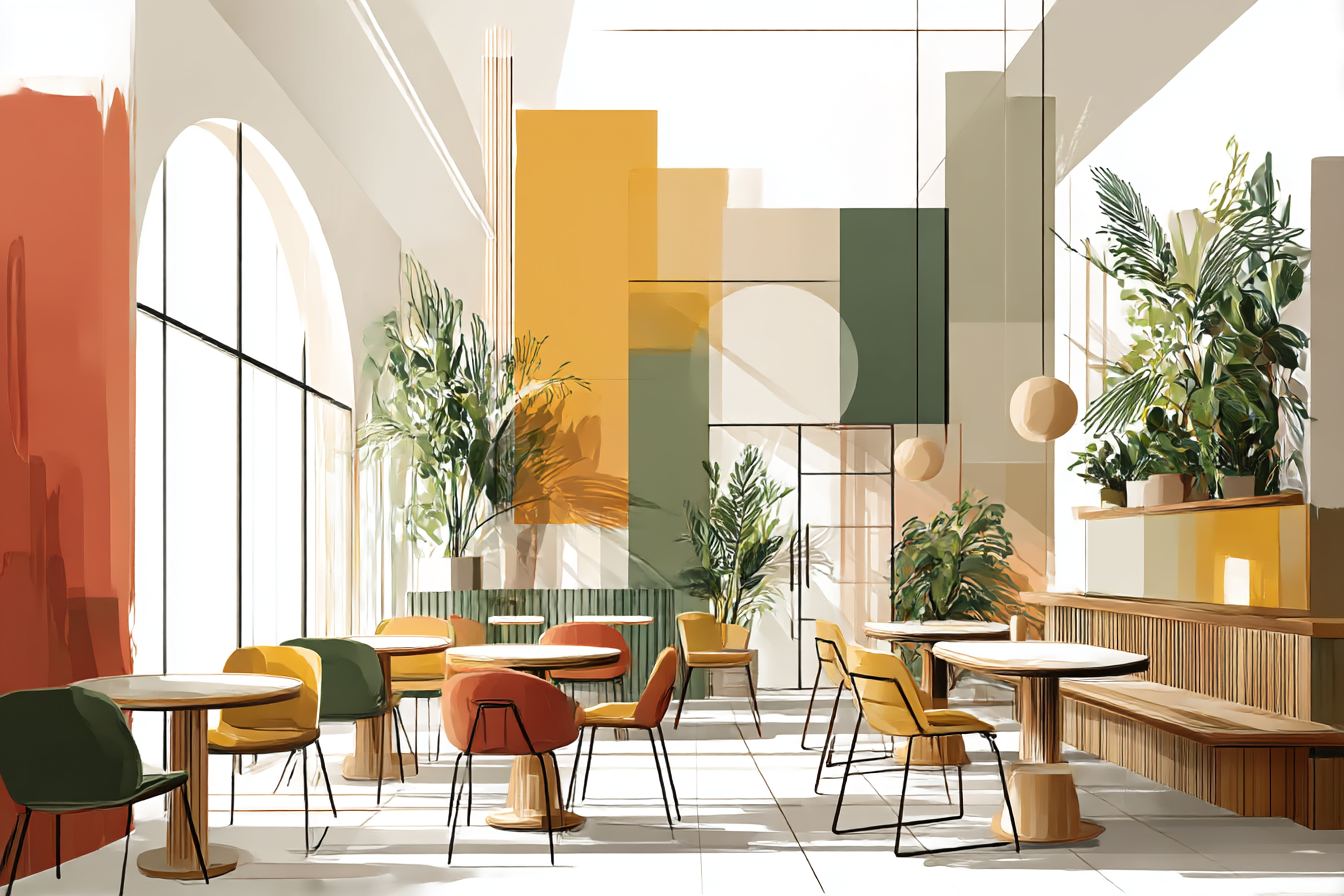
Nothing fancy, but within six months, sick leave usage dropped 25% and employee retention improved dramatically. The facilities manager became my biggest advocate because maintenance was minimal while results were undeniable.
I've learned that resistance often comes from misunderstanding what biophilic design actually means. People hear "nature" and imagine high-maintenance tropical gardens or elaborate water features that might leak and cause damage. But connecting humans to natural patterns can be as simple as choosing the right wall colours, incorporating organic shapes, or maximizing views of existing outdoor spaces.
Sometimes I work with clients who want to add natural elements but feel constrained by existing architecture or strict budgets. That's where creative material sourcing becomes crucial. Reclaimed wood doesn't just look beautiful – it carries history and character that new materials lack. Stone and brick reclaimed from demolition projects often costs less than manufactured alternatives while providing authentic texture and thermal mass.
One of my favorite projects involved a pediatric dentist's office where everything had been designed to be "cheerful" in that aggressive way that makes kids more anxious, not less. Bright plastic everywhere, cartoon characters, aggressive primary colours. The staff mentioned that kids often cried before even sitting in the chair.
We stripped out the visual chaos and replaced it with natural materials – bamboo flooring, stone accent walls, wood furniture with organic curves. Added plants that could handle the weird lighting and humidity. Created a small water feature with smooth river rocks that kids could touch while waiting.
The change was remarkable. Kids stopped crying in the waiting room. Some actually asked to come back. The dentist said procedures went smoother because children arrived calmer and stayed more relaxed during treatment. Parents commented that the space felt "healing" rather than clinical.
These experiences reinforced something I'd suspected but never fully trusted – that humans have an innate ability to recognise and respond positively to natural patterns, even when we can't articulate why. Our ancestors evolved in natural environments for millions of years. Architecture and cities are relatively recent inventions. Our nervous systems are still calibrated for organic shapes, natural materials, and connections to living systems.
The challenge isn't convincing people that nature connection matters – most people feel this intuitively. The challenge is showing them that meaningful integration doesn't require complete reconstruction or unlimited budgets. Small, strategic interventions often deliver disproportionate benefits.
I'm constantly experimenting in my own space, partly because I'm curious but also because personal experience grounds my recommendations. Right now I'm testing different sound-masking approaches using natural elements – a small fountain, rustling plant arrangements, even recordings of specific natural soundscapes played at barely audible volumes.
Early results suggest that natural sound masking works differently than electronic white noise machines. People seem to relax more completely, conversations flow more naturally, and I sleep better despite living on a busy urban street. It's another reminder that our bodies recognise and prefer natural patterns, even in subtle applications.
What excites me most about current biophilic research is how it's validating traditional design wisdom while opening new possibilities.

Techniques that indigenous cultures developed over centuries are being confirmed and refined through modern measurement tools. We're learning not just that natural connections help, but exactly how and why they work.
This knowledge makes implementation more strategic and effective. Instead of guessing what might help, we can predict which interventions will deliver specific benefits. That evidence base makes conversations with skeptical clients much easier and helps justify investments in natural design elements.
The future I'm working toward is one where biophilic principles are so integrated into standard practice that we don't need specialists to implement them. Where every architect, designer, and facilities manager understands how to create spaces that support human wellbeing through natural connection. Where these benefits become available to everyone, not just those who can afford custom design services.
We're closer to that reality than many people realise. The knowledge exists, the materials are available, and demand is growing rapidly. Now it's just a matter of making the approach accessible and practical for everyday applications.