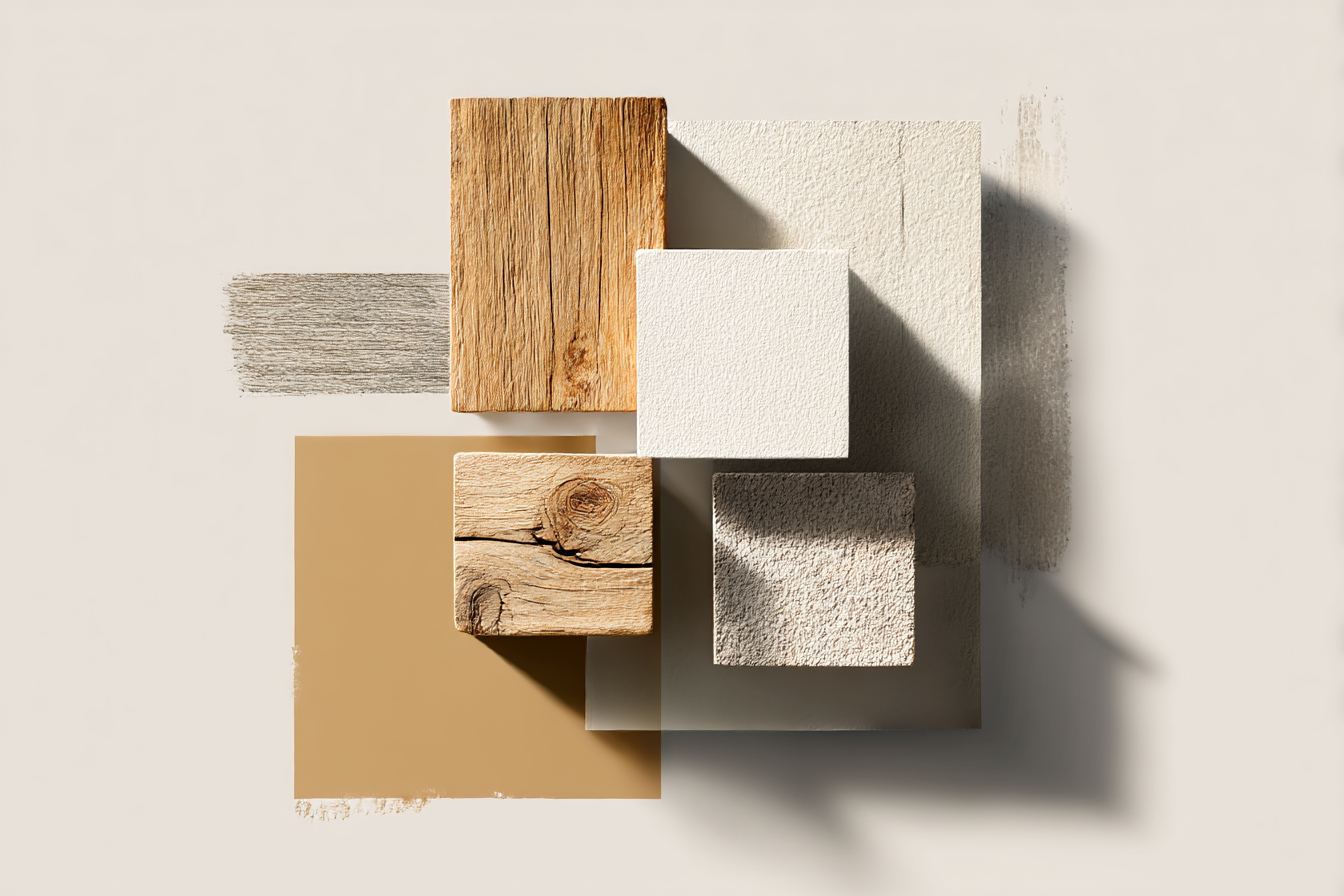
I was hunched over my laptop at 2 AM last night, obsessing over the grain patterns in a piece of reclaimed Douglas fir I'd been considering for a client's meditation room, when it hit me – I've spent the better part of fifteen years getting intimately acquainted with wood in ways that would probably sound weird to most people. I mean, I literally keep samples in my desk drawer that I touch throughout the day when I'm feeling stressed. There's this piece of cherry from a demolished 1940s farmhouse that's so smooth it feels like silk, and honestly? It works better than any fidget spinner.
My relationship with wood goes way beyond professional necessity. Sure, I can rattle off facts about species characteristics and sustainability ratings, but what really gets me excited is how different woods make people *feel* when they encounter them. Take bamboo – technically a grass, I know, but work with me here.
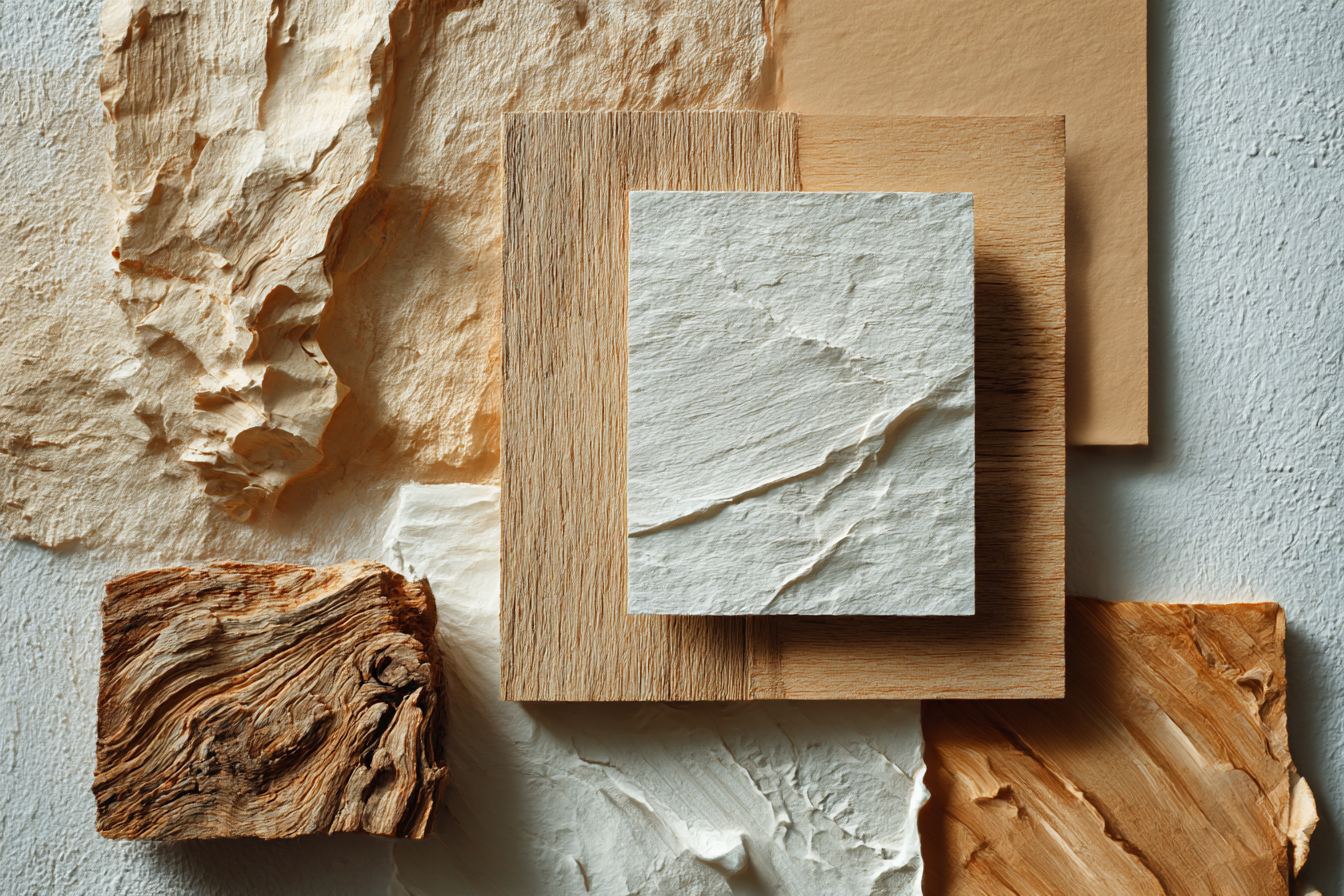
When I installed bamboo flooring in my apartment three years ago, friends started commenting within days that the space felt "lighter" somehow. Not brighter necessarily, just… more buoyant. Turns out there's actual research backing up these intuitive responses.
Wood carries this incredible complexity that synthetic materials simply can't replicate. Every board tells a story – you can read the tree's life in the rings, see where it struggled through drought years with tight grain, where it flourished during abundant seasons with wider spacing. I've got this chunk of old-growth redwood (legally salvaged from a fallen tree, before you ask) that shows nearly 400 years of Pacific coastal weather patterns. When clients hold it, they invariably get this faraway look, like they're connecting to something much larger than themselves.
The thermal properties alone make wood magical in interior spaces. Unlike stone, which stays cool to the touch, or metal, which conducts heat rapidly away from your skin, wood maintains this gentle warmth that feels almost alive. My father always said wood "breathes," and he wasn't being poetic – it actually expands and contracts with humidity changes, creating micro-movements that keep spaces from feeling static.
I've been tracking my own physiological responses to different materials for the past two years using a heart rate variability monitor (yes, I'm that person). The data is fascinating. My stress markers consistently drop when I'm working at my reclaimed walnut desk versus the IKEA laminate table I used previously. Could be correlation rather than causation, but the pattern holds even when I control for other variables.
Stone presents a completely different sensory experience. There's something primal about touching granite or slate – it connects you to geological time in a way that can be either grounding or overwhelming, depending on your mood. I once spent an afternoon in a client's home office that featured a massive live-edge stone slab as a desk surface. The homeowner, a high-stress executive, told me she found herself unconsciously running her palms across the stone during video calls. "It's like having a piece of the mountain in here," she said.
Marble has this unique coolness that can be deeply calming in hot weather, though it's fallen out of favour in sustainable design circles due to extraction concerns. I've been experimenting with locally quarried limestone instead – similar tactile qualities but with a much smaller carbon footprint when sourced regionally. The texture is slightly more porous than marble, which creates interesting light interactions as the surface ages and develops a patina.
Bamboo deserves its own category, really. The speed of growth is mind-boggling – some varieties can increase height by three feet in a single day. I watched bamboo being harvested in North Carolina last summer, and the sound is completely unique, this hollow *thock* that resonates differently than cutting traditional hardwood. When milled into planks or panels, bamboo maintains some of that acoustic quality. Spaces finished with bamboo products tend to have better sound absorption than those using synthetic materials.
You Might Also Like

The sustainability angle is crucial but sometimes oversimplified. Not all wood is created equal from an environmental standpoint. I've seen "reclaimed wood" that was actually new lumber artificially aged with wire brushes and stains – complete greenwashing. Real reclaimed material carries history in its nail holes, paint layers, and weathering patterns that simply can't be faked. Plus, using genuinely salvaged wood keeps material out of landfills while reducing demand for fresh-cut timber.
Cork is another natural material that's seriously underappreciated in biophilic applications. Harvesting cork doesn't harm the trees – bark regenerates every nine to twelve years. The cellular structure creates natural insulation and sound dampening. I installed cork panels in my bedroom wall two years ago, and the difference in ambient noise levels is remarkable. The texture is addictive too – slightly spongy but supportive, like pressing against tree bark.
Clay and adobe connect us to some of humanity's oldest building traditions. I spent a week at a natural building workshop in New Mexico, learning to mix clay, sand, and straw into structural blocks. The process is deeply tactile – you work the mixture with your hands until the proportions feel right. There's no measuring, just intuitive adjustment based on how the material responds. The finished walls have this organic irregularity that makes spaces feel genuinely handcrafted.
Natural fibre materials bridge the gap between hard surfaces and soft furnishings. Jute, hemp, and wool carry their own distinct textures and scents that evolve over time. I have a hemp area rug that's developed the most beautiful patina over five years of use – the fibres have softened and the colour has deepened to this rich amber tone that synthetic materials never achieve.
What strikes me repeatedly is how natural materials age gracefully while synthetics just degrade. That walnut desk I mentioned? It's actually more beautiful now than when I first brought it home. The daily contact with hands and sunlight has deepened the colour and brought out grain patterns that weren't visible initially. Compare that to plastic furniture, which fades, scratches, and eventually cracks into ugliness.
The sensory richness of natural materials extends beyond touch and sight.
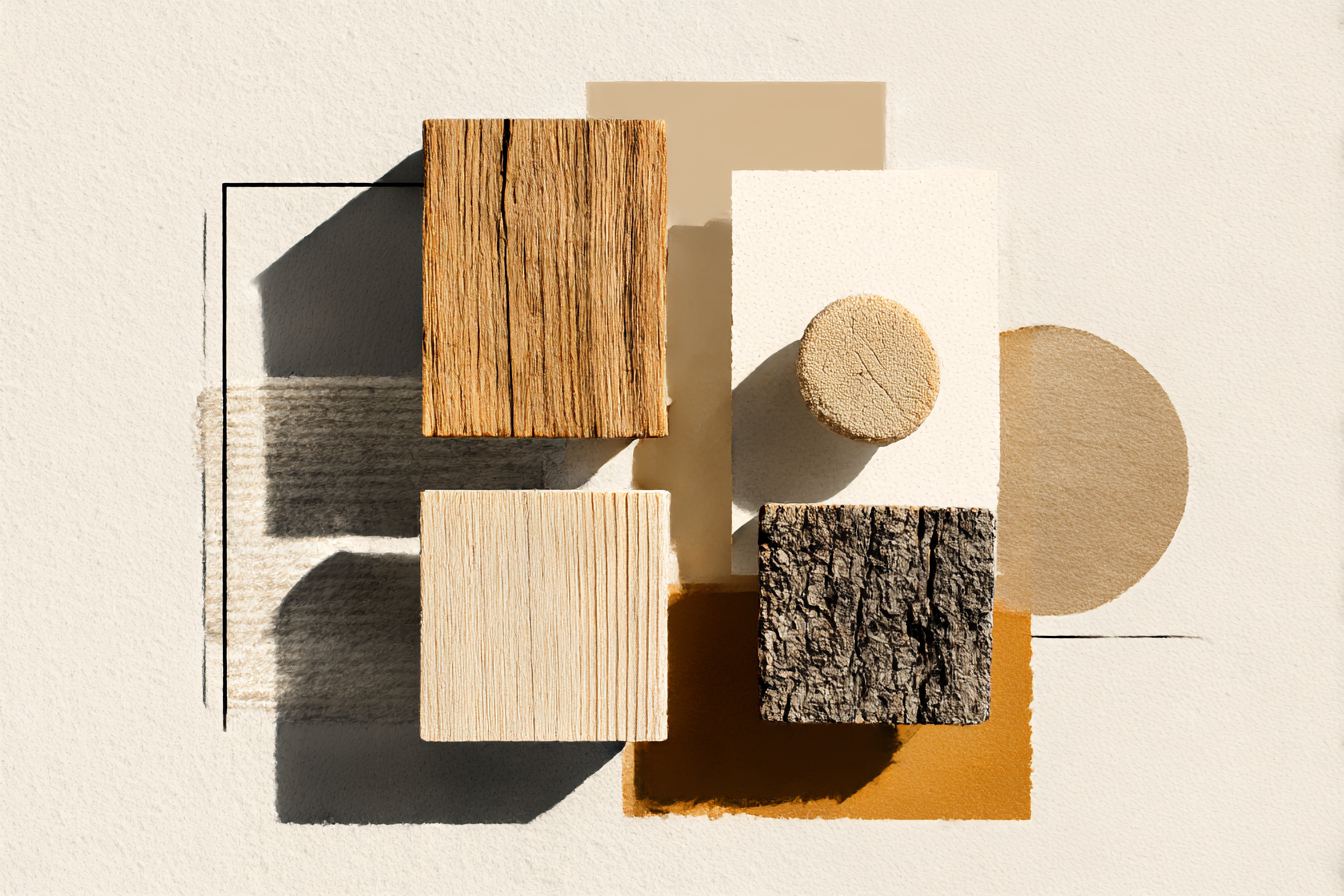
Cedar naturally repels insects and carries this clean, forest-like scent that can be incredibly calming. Teak contains oils that create water resistance while adding a subtle vanilla note to spaces. Even concrete, when mixed with local aggregates, carries geographic specificity – you can literally feel the regional geology in the finished surface.
I'm not advocating for spaces that look like log cabins or adobe huts (unless that's what you're going for). Natural materials work beautifully in contemporary settings when selected thoughtfully. The key is understanding each material's inherent characteristics and working with them rather than against them. That piece of Douglas fir I was obsessing over at 2 AM? It's going to be perfect for that meditation room because its straight grain and warm tone will create exactly the kind of visual calm my client needs.
Natural materials aren't just design choices – they're invitations to connect with the living world, even when we're indoors. Every time we touch, see, or smell them, we're reminded that we're part of something much larger and more enduring than our built environments.



