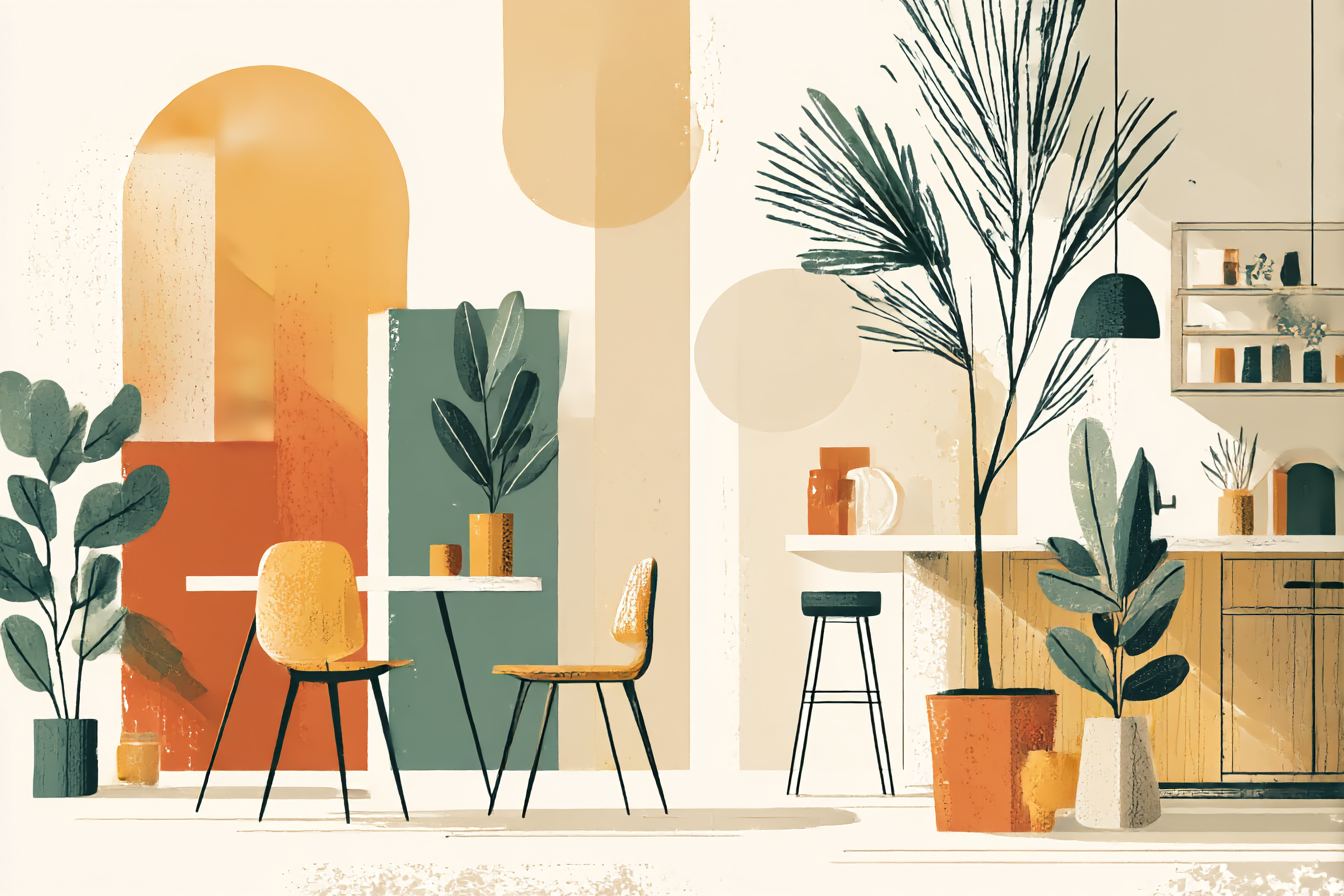
My friend Sarah nearly fainted when she walked into my newly renovated kitchen last Tuesday. Not because of the design – though I'll admit the living wall behind the sink is pretty spectacular – but because she'd just spent three months battling contractor delays and budget overruns on her own kitchen remodel. "You did this yourself?" she kept asking, running her fingers along the reclaimed elm countertops.
Here's the thing about kitchens: they're supposed to be the heart of the home, but most of them feel more like sterile laboratories. All those gleaming white cabinets and granite surfaces might photograph well for Instagram, but they don't exactly invite you to linger over morning coffee or gather friends for spontaneous dinner parties. I've been there – my previous kitchen was a builder-grade nightmare of laminate and fluorescent lighting that made even the ripest tomatoes look pale.
The transformation didn't happen overnight, and honestly, it wasn't even planned. It started when my neighbour's massive oak tree dropped a branch through my kitchen window during last winter's ice storm. Insurance covered the window replacement, but I found myself staring at this gaping hole in my wall for three weeks while waiting for the repair crew.
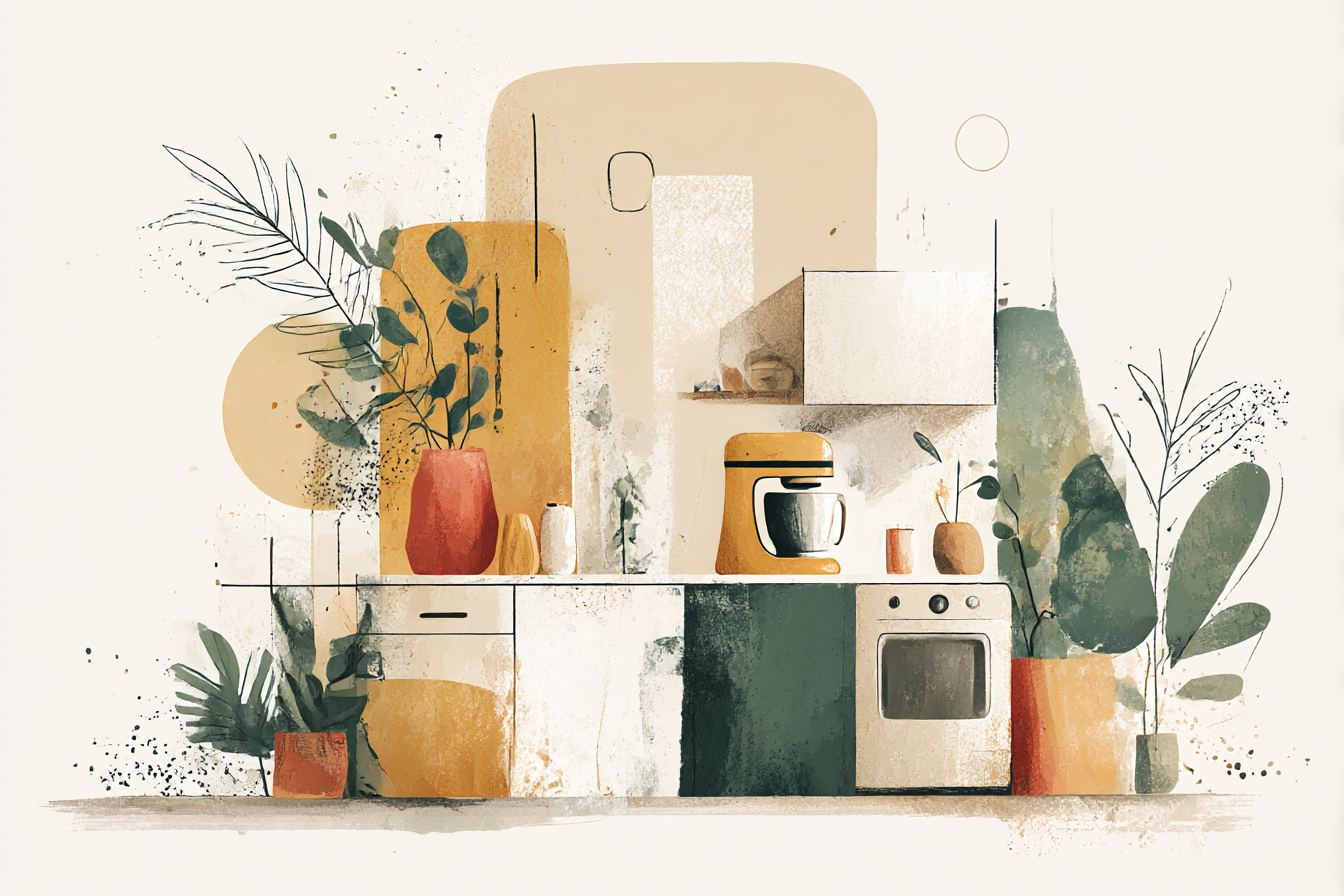
During those weeks, something magical happened. Natural light poured into the space like I'd never experienced before. Birds became regular visitors to my windowsill. I could smell rain approaching and feel temperature changes in ways that the sealed-up space had never allowed.
When the repair crew finally showed up, I couldn't bring myself to just replace the standard double-hung window. Instead, I convinced them to install a much larger casement window that opens completely – essentially creating a pass-through to my herb garden outside. The building inspector raised an eyebrow, but everything met code, and suddenly my kitchen had this incredible connection to the outdoors that changed how I experienced the entire space.
That window renovation became the catalyst for everything else. Once you experience how dramatically natural light can transform a cooking space, those harsh overhead fixtures start feeling downright oppressive. I replaced them with a combination of under-cabinet LEDs that mimic dawn and dusk patterns, plus a skylight that I installed myself over the sink area. Was it nerve-wracking cutting a hole in my roof? Absolutely. But the payoff has been incredible – I actually enjoy washing dishes now because I can watch clouds drift by overhead.
The plant wall happened almost by accident. I'd been struggling to keep herbs alive on my windowsill – not enough light, inconsistent watering, you know the drill. Then I discovered hydroponic tower systems designed for indoor growing. The unit I chose fits perfectly in the corner where my old pantry cabinet used to be, and it's been producing more basil, cilantro, and lettuce than I know what to do with. Plus, the gentle sound of circulating water adds this subtle background rhythm that makes the whole kitchen feel more alive.
People always ask about maintenance, and I get it – living systems in kitchens sound complicated. But honestly, it's less work than you'd think. The hydroponic system waters itself, and I just add nutrients once a week. The plants actually improve the air quality, which matters more than you might realise when you're cooking with oils and spices. My sister, who's got terrible allergies, noticed the difference immediately when she visited last month.
You Might Also Like
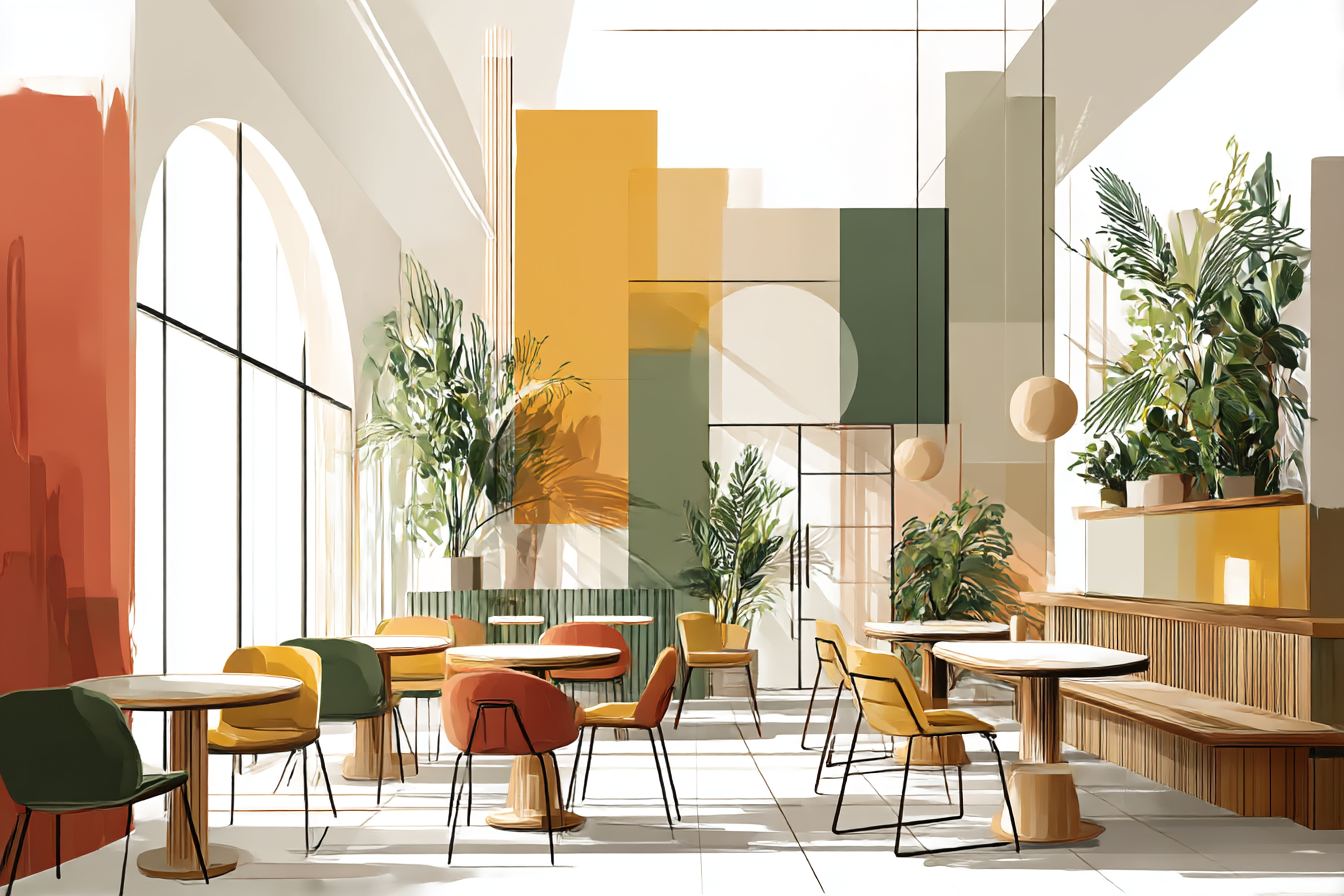
The materials were where I really got to express my biophilic philosophy. Instead of those ubiquitous quartz countertops, I sourced reclaimed elm from a demolished barn about an hour north of the city. Each plank tells a story – you can see nail holes, weathering patterns, even what looks like teeth marks from some long-ago farm animal. I sealed it with a food-safe finish, and it's holding up beautifully to daily cooking use. The warmth and texture make such a difference compared to cold stone surfaces.
For the backsplash, I couldn't resist incorporating some local river stones I'd collected over the years. Mixed with handmade ceramic tiles in earth tones, they create this organic mosaic that catches light differently throughout the day. Installation was tedious – each stone had to be individually placed – but working with these natural materials felt meditative rather than frustrating.
The flooring presented the biggest challenge. I wanted something that connected to the outdoors but could handle kitchen spills and foot traffic. After months of research, I discovered cork tiles made from recycled wine cork waste. They're naturally antimicrobial, surprisingly water-resistant, and incredibly comfortable underfoot. The subtle texture and warm colour complement the wood countertops perfectly, and I love knowing that every step I take is on a renewable, recycled material.
Water features in kitchens sound excessive until you experience one. Mine's simple – a small fountain integrated into the plant wall system – but the psychological effect is remarkable. Something about the sound of moving water makes the space feel more spacious and calming. My stress levels during cooking have noticeably decreased, and guests consistently comment on how peaceful the kitchen feels.
Circadian lighting was the final piece of the puzzle. Most people don't realise how much artificial lighting affects our daily rhythms, especially in spaces we occupy frequently. I installed programmable LEDs throughout the kitchen that gradually shift from warm, dim light in the evening to bright, cool light during morning hours.

The change is subtle enough that you don't consciously notice it, but your body responds by maintaining more natural energy patterns throughout the day.
The results have exceeded my expectations. I'm cooking more often and more adventurously. Friends gather in the kitchen during parties instead of immediately migrating to the living room. Even mundane tasks like meal prep feel less burdensome when surrounded by living plants and natural textures.
Most surprisingly, the space has become a learning laboratory for my consulting work. Clients visit regularly to experience these elements firsthand, and their reactions consistently validate what research tells us about human responses to nature-integrated spaces. Just last week, a restaurant owner spent two hours in my kitchen and left convinced to incorporate similar principles into his upcoming renovation.
The total investment was significant – probably 40% more than a conventional renovation – but the daily quality-of-life improvements make it worthwhile. Plus, every element contributes to the home's resale value while reducing environmental impact through sustainable materials and improved energy efficiency. Not a bad combination for a space that started as an insurance claim repair.