My neighbour knocked on my door last Tuesday at 7 AM holding a cup of coffee and wearing that look people get when they're about to ask for a favour. "Can you come look at something?" she said, and honestly, I was curious enough to follow her across the hallway in my pajamas.
Her apartment is identical to mine in layout but feels completely different. Where I've got plants cascading from every available surface and natural light bouncing off copper accents, hers felt… sterile isn't the right word. Clean, maybe. Organised. But walking into it was like stepping into a different emotional temperature.
"I can't figure out why I hate being here," she said, gesturing around her perfectly arranged living room. "I mean, it's nice, right? Everything matches.

But I come home from work and just want to leave immediately."
<blockquote>I stood there sipping her excellent coffee (she's got one of those fancy espresso machines) and trying to put my finger on what was missing. The space had good bones – those same enormous windows I love in my place, decent ceiling height, hardwood floors. But it felt disconnected from anything alive.</blockquote>
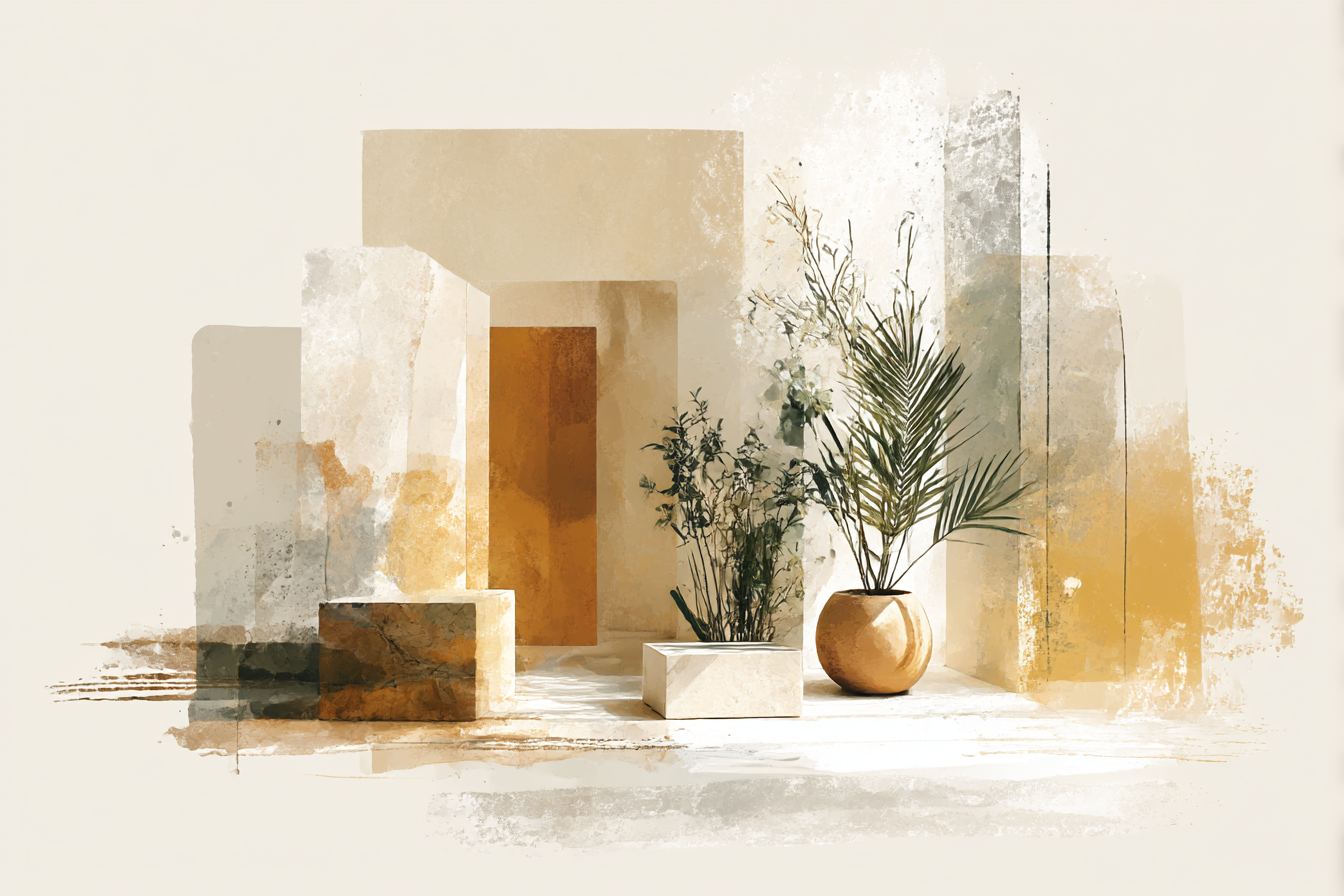
That conversation got me thinking about something I encounter constantly in my work: people who live in spaces that technically function but don't feel like home. They can't always articulate why – they just know something's off. And nine times out of ten, when I start poking around, it comes down to a complete divorce from natural elements and processes.
<img class="size-full" src="http://wonkydogltd.co.uk/medium/wp-content/uploads/2026/01/im1979_biophilic_interior_architecture._ultra-realistichyper-_2d2a498f-1cbb-4b7c-957c-58bede8d4144_0.jpg" alt="im1979_biophilic_interior_architecture._ultra-realistichyper-_2d2a498f-1cbb-4b7c-957c-58bede8d4144_0" />
My neighbour's place wasn't unusual. Most modern interiors, especially in urban settings, create what I think of as sensory isolation chambers. Everything's synthetic – from the polyester carpets to the vinyl wall coverings to the LED bulbs that blast the same colour temperature 24/7. We've gotten so focused on maintenance-free, Instagram-ready spaces that we've forgotten humans are biological creatures with specific needs.
I spent about twenty minutes walking through her apartment, and here's what I noticed: no variation in texture (everything was either smooth plastic or uniform fabric), no natural scents (just that vague "clean" smell from air fresheners), no visual connection to anything that grows or changes, and lighting that remained constant regardless of time of day or season. Basically, her nervous system had no environmental cues to work with.
This isn't just my opinion, by the way. I've been diving deep into the research lately, and the data is pretty clear: humans have measurable stress responses to environments lacking natural elements. Our cortisol levels stay elevated, our heart rate variability decreases, we sleep worse, we get sick more often. We're literally designed to need connection with living systems.
The fix for my neighbour's place wasn't complicated, but it required thinking beyond just "add some plants." Sure, we brought in greenery – a large fiddle leaf fig for that corner by the window, some pothos trailing from her bookshelf, herbs on the kitchen counter that she could actually use. But the real transformation came from addressing the sensory monotony.
We replaced her overhead LED fixtures with adjustable lighting that could shift from cool blue in the morning to warm amber in the evening, mimicking natural circadian rhythms. I brought over some of those offcuts my dad would've been proud of – pieces of reclaimed cedar and maple that we used as trivets, cutting boards, even just as decorative elements that people could touch and smell. The difference was immediate.
I also convinced her to swap out a few synthetic elements for natural alternatives. Her polyester throw pillows became linen and wool ones. That plastic shower curtain got replaced with hemp fabric. We hung bamboo blinds instead of those metal mini-blinds that clattered every time the heat kicked on.
You Might Also Like
The water element was trickier in a rental, but we managed a small tabletop fountain (one of those simple stone ones, not the elaborate multi-tiered monstrosities). The sound completely changed the acoustic feel of the space – suddenly there was this subtle background rhythm that helped mask the urban noise outside.
Three weeks later, she texted me: "I actually want to cook dinner at home now. What did you do to this place?"
What we'd done was pretty simple, really. We'd given her nervous system something to engage with besides artificial uniformity. Humans need sensory variation – different textures to touch, natural scents to process, lighting that changes throughout the day, sounds that connect us to natural rhythms. When spaces lack these elements, we feel restless and disconnected without quite knowing why.
This experience reminded me of a project I worked on a few years back – a corporate office renovation where the facilities manager kept complaining about employee productivity and satisfaction scores. The space was your typical modern office: grey carpet, white walls, fluorescent lighting, minimal windows, lots of plastic furniture. Employees were taking more sick days, staying later to finish tasks that should've taken less time, and turnover was higher than industry averages.
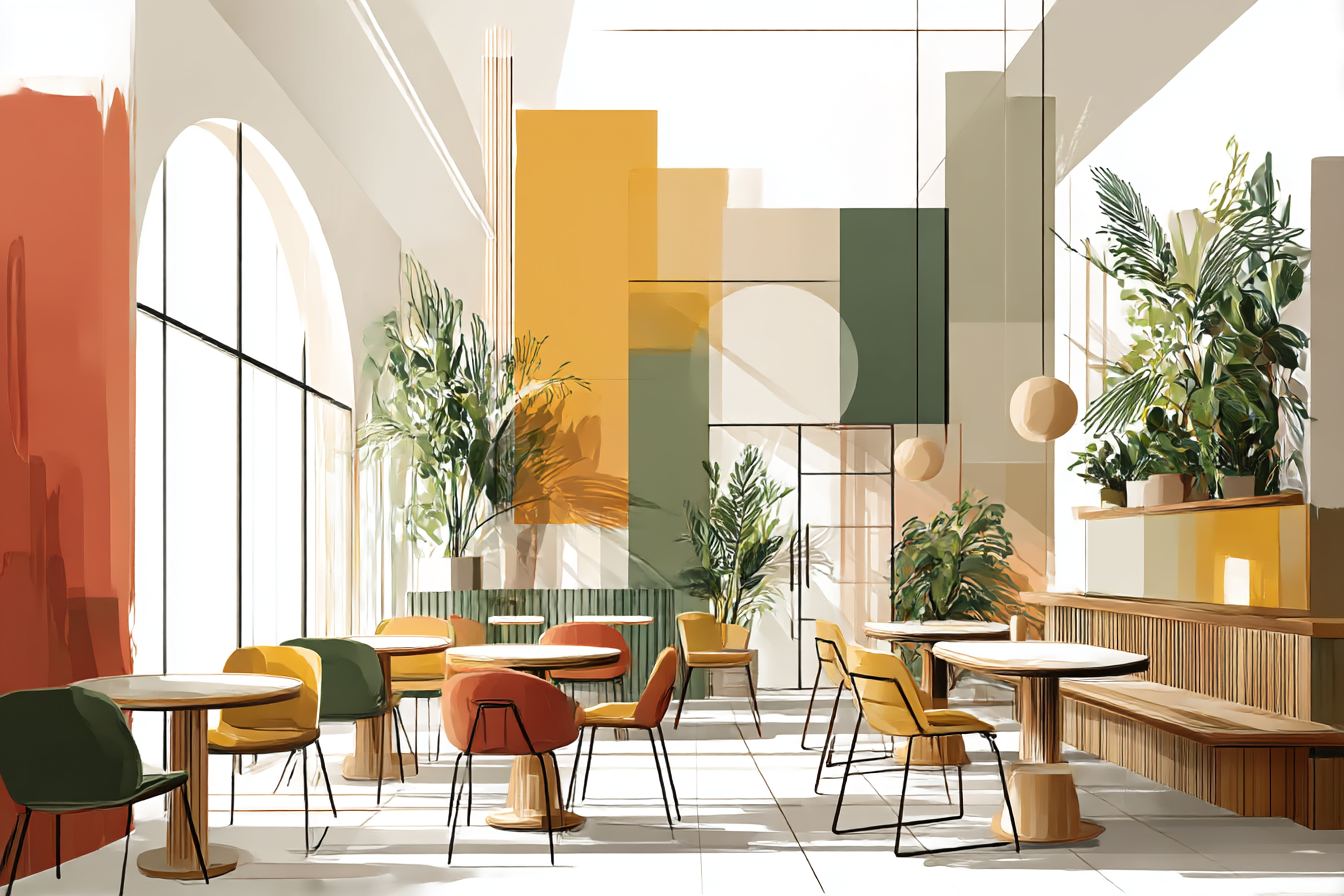
We implemented what I call "stealth biophilia" – changes significant enough to impact wellbeing but subtle enough that people might not consciously notice them. Natural wood desk surfaces replaced plastic laminate. We brought in larger plants but positioned them as architectural elements rather than decorations. The cafeteria got a living wall, but we designed it to look integrated rather than added-on.
The lighting changes were the most dramatic. Instead of uniform fluorescents, we installed a system that adjusted colour temperature and intensity throughout the day, getting brighter and cooler in the morning, dimmer and warmer in the afternoon. We added natural materials wherever possible – wool acoustic panels instead of synthetic ones, stone flooring in high-traffic areas, even bamboo charging stations.
Six months later, sick leave dropped by 28%, task completion times improved by about 15%, and employee satisfaction surveys showed marked improvement in categories related to comfort and focus. The company's HR director told me it was the most cost-effective intervention they'd ever implemented.
But here's what really interests me about both these situations: the changes weren't about creating Instagram-worthy "nature" aesthetics. We didn't install some elaborate green wall or turn the office into a greenhouse. The impact came from addressing fundamental biological needs that most people don't even realise they have.
<img class="size-full" src="http://wonkydogltd.co.uk/medium/wp-content/uploads/2026/01/im1979_biophilic_interior_architecture._ultra-realistichyper-_2d2a498f-1cbb-4b7c-957c-58bede8d4144_1.jpg" alt="im1979_biophilic_interior_architecture._ultra-realistichyper-_2d2a498f-1cbb-4b7c-957c-58bede8d4144_1" />
Your skin needs to encounter different textures throughout the day. Your eyes need to adjust to varying light levels and colours. Your nervous system needs to process natural scents and sounds.
Your circadian rhythms need environmental cues to stay regulated. When spaces ignore these needs – which most modern interiors do – we function at a fraction of our potential.
<blockquote>I've started thinking about interior architecture as a form of environmental medicine. Just like we understand that diet affects health, or that exercise affects mood, we need to recognise that our physical surroundings have biological impacts. The good news is that effective interventions don't require major renovations or huge budgets.</blockquote>
Sometimes it's as simple as switching to full-spectrum bulbs, adding a few plants, or incorporating some natural materials. Other times it means rethinking space layout to maximize natural light or creating visual connections to outdoor elements. The key is understanding that we're designing for biological creatures, not just aesthetic preferences.
My neighbour's apartment now feels like a completely different space, even though the basic layout hasn't changed. She's cooking more, sleeping better, and actually inviting people over. The transformation reminds me why I got into this work in the first place – there's something deeply satisfying about helping people create spaces that support rather than undermine their wellbeing.