
Standing in the lobby of the 1 Hotels Brooklyn Bridge last Tuesday, I couldn't help but run my fingers along the reclaimed wood reception desk while breathing in what I swear was actual forest air. You know that moment when you walk into a space and your shoulders just… drop? That's what happened. After spending three days touring conventional hotels for a client project, this place felt like stepping into a living, breathing organism rather than just another building with beds.
I've been obsessing over hospitality spaces lately – partially because my sister's getting married next spring and we've been hotel-hunting, but mostly because hotels represent this fascinating laboratory for biophilic design. Think about it: you've got people who are already stressed from travel, displaced from their familiar environments, often dealing with disrupted sleep cycles. If ever there was a setting where connection to nature could make a measurable difference, it's here.
The thing is, most hotels get it completely wrong.
They'll slap some generic landscape photography on the walls, maybe add a few sad potted plants in the corner, and call it "nature-inspired design." It's like putting a picture of food in front of someone who's hungry – technically related to the thing they need, but missing the entire point.
But then you walk into places like the Edition hotels, and everything changes. I spent a night at the West Hollywood location last month (okay, fine, it was research… mostly), and their lobby integration of natural materials genuinely affected how I moved through the space. The stone floors weren't just pretty – they created this subtle temperature variation under your feet that somehow made you more aware of your body in relation to the environment. The lighting system mimicked natural daylight cycles so precisely that I actually felt less jet-lagged than usual.
Here's what most people don't realise about biophilic hospitality design: it's not about cramming as many plants as possible into every corner. It's about creating spaces that speak to our evolutionary programming. Humans spent roughly 99.9% of our species' existence living in direct relationship with natural systems. Our nervous systems are literally wired to respond to certain patterns, textures, and environmental cues that signal safety and restoration.
The Proximity Hotel in Greensboro gets this right in ways that constantly surprise me. Their green roof isn't just for show – it actually regulates the building's temperature and creates this amazing sound buffer. But here's the brilliant part: they've positioned windows and outdoor spaces so guests can see the living systems at work. You're not just staying in an environmentally friendly building; you're witnessing environmental processes in action. Last time I stayed there, I spent twenty minutes watching rainwater move through their collection system. Sounds boring? It wasn't. There's something deeply satisfying about seeing closed-loop systems function.
Natural lighting deserves its own conversation entirely. The Bardessono in Yountville has these floor-to-ceiling windows that aren't just about the views (though those vineyard vistas don't hurt). The way natural light moves through their spaces throughout the day creates these subtle environmental cues that help regulate your circadian rhythms. I've stayed there twice – once in winter, once in summer – and both times I slept better than I had in months. Not because of thread count or mattress quality, but because my body could actually track the natural light-dark cycle.
Water features get overused in hospitality design, but when done thoughtfully, they're incredibly effective. The Alila Villas Uluwatu in Bali uses water not just as decoration but as passive cooling and humidity control. The sound masks traffic noise while creating that psychological association with natural environments. Plus – and this is nerdy but important – moving water releases negative ions, which research suggests can improve mood and reduce stress hormones. Standing near their infinity pool at sunset, watching water seemingly merge with the ocean horizon, I felt my nervous system actually downshift in real time.
You Might Also Like
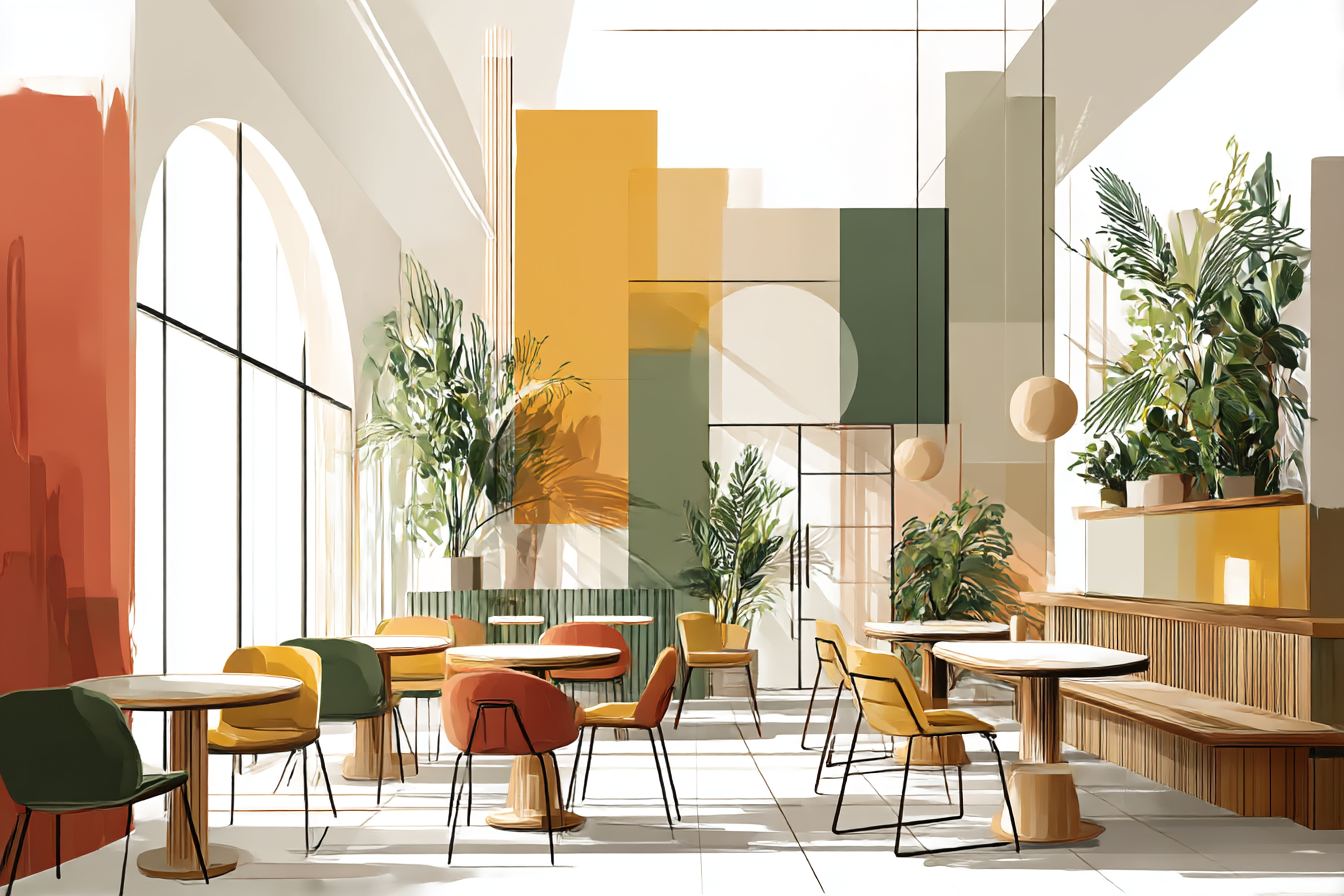
Texture matters more than most designers realise. The Whitepod eco-luxury resort in Switzerland uses raw wood, stone, and untreated fabrics throughout their geodesic structures. Everything you touch connects you to natural materials and their inherent imperfections. No two pieces of wood grain are identical. Stone surfaces vary in temperature and texture. Your hands are constantly receiving information that says "natural environment" rather than "manufactured space."
But here's where it gets really interesting – scent. Most hotels smell like cleaning chemicals and synthetic fragrances. Properties that understand biophilic principles use natural materials that carry their own subtle aromatics. Cedar walls. Bamboo furnishing. Living plant installations. The Treehotel in Sweden – where you literally sleep in the forest canopy – smells like pine resin and forest floor. Sounds gross? It's not. It's profoundly calming in ways that no manufactured air freshener can replicate.
I've noticed something consistent across truly successful biophilic hotels: they don't fight their local environment; they celebrate it. The Saffire Freycinet in Tasmania uses local stone that changes colour throughout the day. The Hotel Presidente in San José showcases Costa Rican hardwoods and living walls filled with indigenous plants. These aren't generic "natural" spaces – they're expressions of specific places and ecosystems.
Temperature variation is another element most hospitality spaces completely ignore. Nature isn't uniformly climate-controlled. Successful biophilic hotels create microclimates within their spaces. Cooler stone floors. Warmer wood surfaces. Areas with different humidity levels. Your body responds to these variations by staying more alert and engaged with your environment.
The really sophisticated properties integrate seasonal changes into their design. The Monteverdi in Tuscany adjusts their lighting, scent, and even food offerings to reflect what's happening in the surrounding landscape. You're not just staying somewhere beautiful; you're participating in the rhythms of a particular place and time.
Here's what I find most encouraging: these design principles don't require massive budgets or complete renovations. The Graduate Hotels chain has been retrofitting existing properties with biophilic elements – living walls, improved natural lighting, local materials, circadian lighting systems – and seeing measurable improvements in guest satisfaction scores and return visits.
The data backs this up. Hotels implementing biophilic design elements report higher guest satisfaction, longer stays, increased willingness to pay premium rates, and better online reviews.

But beyond business metrics, these spaces just feel different. They restore rather than drain. They connect rather than isolate.
My notebook from hotel visits is filled with tiny details that work: motion-activated LED strips that mimic sunrise to ease morning wake-ups. Bathroom mirrors positioned to reflect outdoor views. Furniture arranged to take advantage of natural sight lines. Room layouts that create clear visual connections between indoor and outdoor spaces.
This isn't trend-following – it's recognition of fundamental human needs. We require connection to natural systems for optimal physical and psychological functioning. Hotels that acknowledge this create environments where rest and restoration actually happen, rather than spaces that just look pretty in Instagram photos.