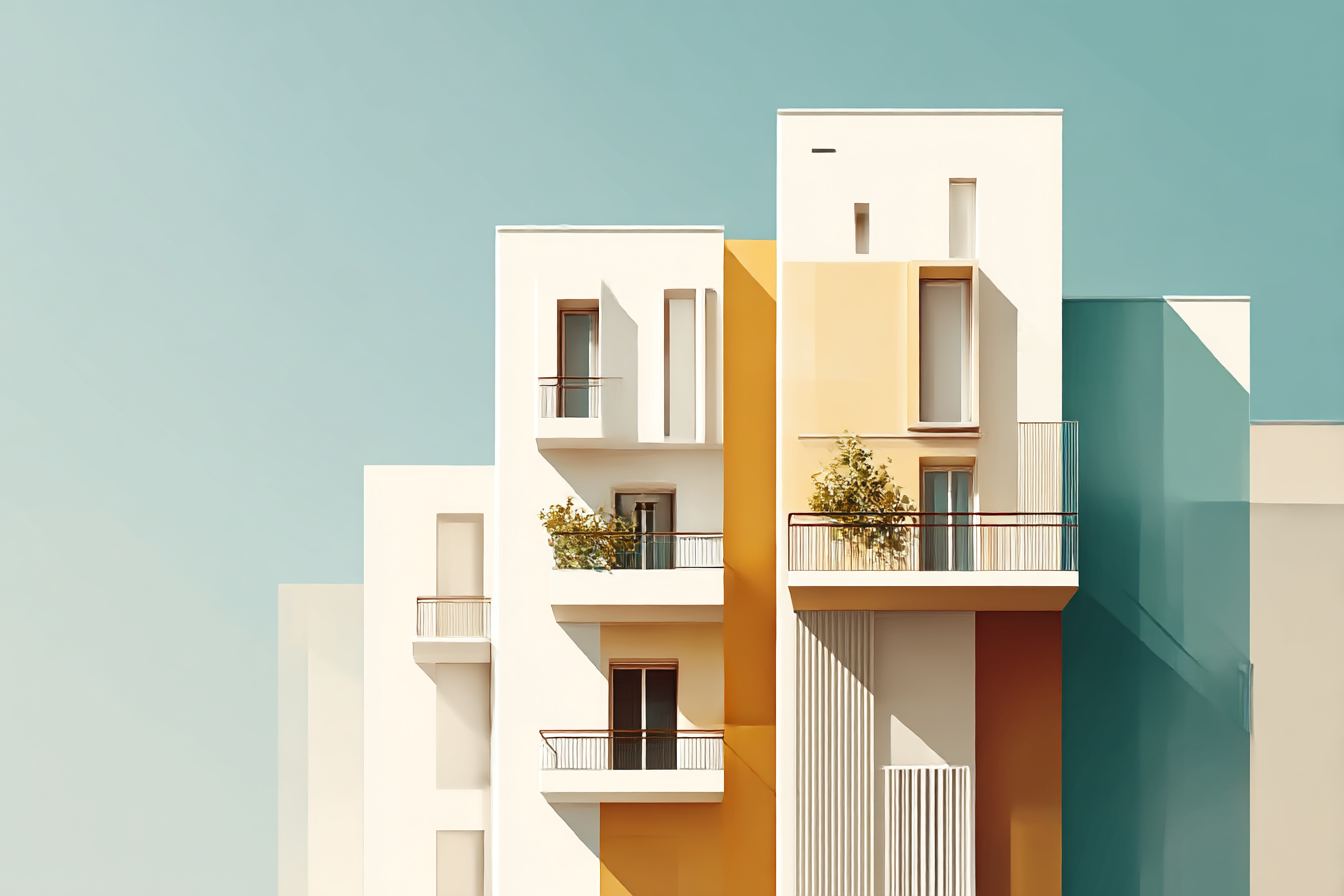
Walking past the new Santander Bank building downtown yesterday, I caught myself doing something I always do – running my fingers along the textured concrete as I passed. Most people hurry by, phones in hand, but I can't help myself. There's this rough, almost bark-like pattern cast into the exterior wall that feels so organic you'd swear it was carved from stone instead of poured from a mixer.
That building got me thinking about a project I consulted on two years ago in Portland. The developer wanted to create something that would "stand out" in a sea of glass boxes, but their initial concept was basically another glass box with some decorative metal panels. During our first meeting, I asked them to walk outside with me and just touch the building next door – smooth, cold, completely lifeless. "Your tenants are going to spend eight hours a day pressed against surfaces that feel like this," I told them. "How's that going to affect their mood, their creativity, their basic comfort?"
That simple exercise changed everything. We ended up designing a facade that incorporated living moss systems between textured concrete panels, with integrated planters that created this cascading effect down the building's south face.
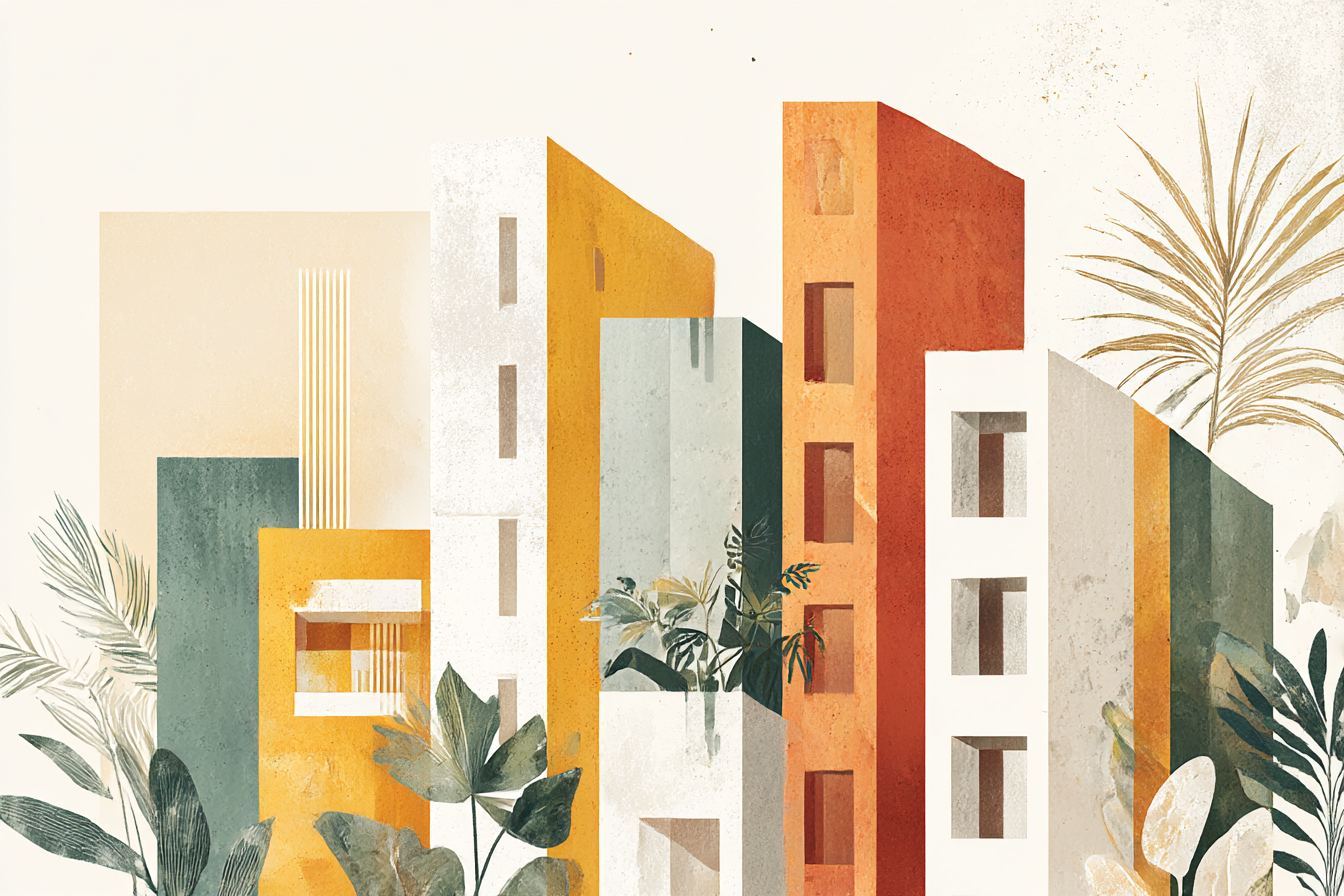
The moss wasn't just decorative – it actually helped regulate temperature and air quality. During summer, the system reduced cooling costs by about 15%. More importantly, people started lingering outside the building instead of rushing past it.
I've been fascinated by breathing buildings ever since my disaster relief work in Louisiana. After Hurricane Katrina, I watched families rebuild, and some of the smartest choices involved creating structures that worked with natural air movement instead of fighting it. One family installed these simple but ingenious overhangs with strategically placed vents that pulled hot air up and out while drawing cooler air in through lower openings. No electricity required.
That principle – working with natural forces instead of against them – has become central to how I approach exterior design. Last month, I was touring a school in Phoenix where they'd installed what they called a "smart facade." It was basically a double-wall system with plants growing in the cavity between layers. Hot desert air would hit the outer wall, get filtered and cooled by the plants, then enter the building's ventilation system. Brilliant. The kids' test scores actually improved in classrooms with access to this naturally cooled air.
But here's what really gets me excited – the texture thing goes way beyond aesthetics. There's actual research showing that varied surface textures on building exteriors create micro-climates that support different types of plant and animal life. I've seen facades designed with specific ridge patterns that channel rainwater to planted areas, creating these vertical ecosystems that change throughout the seasons.
One of my favorite examples is a housing complex in Singapore (yeah, I keep coming back to Singapore – they just get it). The architects created these undulating concrete panels that mimic cliff faces, with pockets and crevices where plants can take root naturally. Over time, the building has developed its own ecosystem. Birds nest in the deeper recesses, butterflies visit the flowering plants, and residents have started calling it "the living building."
The maintenance concerns are real, though. I won't sugarcoat it. During a consultation in Denver last year, we had to completely redesign a green facade system because the original irrigation failed during a cold snap, and dead plant material started falling on pedestrians. Not exactly the connection with nature we were going for. Now I always build in redundancy – multiple water sources, cold-hardy plant selections, and backup systems for harsh weather.
You Might Also Like

What I love about natural ventilation integrated into facades is how it engages multiple senses. You're not just looking at greenery – you're feeling cooler air, smelling plant life, hearing the subtle sounds of air movement and maybe water trickling through built-in channels. It's immersive in a way that traditional architecture just can't match.
I remember standing outside the California Academy of Sciences in San Francisco during a heat wave. The building's living roof was obviously impressive, but what struck me was how the natural ventilation system created these gentle air currents at street level. People were literally gravitating toward the building because it felt several degrees cooler. That's smart urban design – creating comfort zones that encourage human interaction with natural systems.
The economic arguments are getting stronger too. A mixed-use development in Austin recently reported 20% lower HVAC costs after implementing a biophilic facade system. The building's exterior temperature stayed consistently 8-10 degrees cooler than adjacent structures during summer months. Plus, they're charging premium rents because tenants specifically request units with access to the green terraces.
Here's something most people don't consider: these breathing facades actually improve urban air quality for entire neighborhoods. Plants are filtering pollutants, generating oxygen, and sequestering carbon. One well-designed green facade can process as much CO2 as a small forest. Multiply that across multiple buildings and you're talking about measurable environmental impact.
The technology is evolving rapidly. I recently toured a prototype in Amsterdam where sensors monitor plant health, soil moisture, and air quality in real-time, automatically adjusting irrigation and ventilation accordingly. The system learns seasonal patterns and weather cycles, becoming more efficient over time. It's like having a building that actually adapts to its environment instead of just imposing itself on it.
But you know what? Some of the best examples I've seen are surprisingly low-tech. A restaurant in Mexico City created this stunning facade using local climbing plants and a simple trellis system. The plants provide shade during hot afternoons, die back in winter to allow passive solar heating, and create habitat for urban wildlife year-round. Total installation cost was maybe a tenth of what a high-tech system would cost.
The key is understanding your specific climate and working with it rather than against it. Desert locations need different approaches than temperate zones.
Humid climates offer opportunities that dry climates don't. I always tell clients: study how traditional buildings in your region handled these challenges before air conditioning existed. There's usually wisdom there worth adapting.
These breathing, living facades represent something fundamentally different from conventional architecture. They acknowledge that buildings exist within natural systems, not separate from them. They create spaces where the boundary between built and natural environments becomes beautifully blurred. And honestly? They just make people feel better. There's something profoundly satisfying about working or living in a building that feels alive, that changes with the seasons, that connects you to the larger rhythms of the natural world.



