You know what's funny? I used to think teaching was something I'd never do. Too messy, too unpredictable. Give me a nice, quiet design studio any day over a room full of people asking questions I might not know how to answer.
That all changed about three years ago when I got cornered at a sustainable building conference by this incredibly persistent community college instructor from Portland. She'd been reading my blog posts about apartment-scale biophilic interventions and basically wouldn't let me leave the coffee station until I agreed to come speak to her environmental design class. "Just once," she promised. "My students need to hear from someone doing this stuff for real."
I showed up with my usual slideshow – before and after photos of my various living wall disasters, research citations, the works. But something weird happened during the Q&A.
Instead of the polite, theoretical questions I was used to at industry events, these students wanted to know everything. How much did that moss wall actually cost? What happens when the irrigation system clogs? Did I really grow mushrooms between my wall studs, and can you eat them? (No, by the way. Definitely don't eat experimental insulation mushrooms.)
One student – Marcus, I think his name was – raised his hand and said, "This is cool and all, but can you actually show us how to do this stuff?" He gestured at my photos. "Like, with our hands?"
And that's how I accidentally became a workshop instructor.
The first official session was… well, let's call it a learning experience. I'd rented space at a maker studio in my neighborhood, ordered enough supplies for twelve people, and figured we'd spend a morning building simple hydroponic planters. What I hadn't anticipated was that half my participants had never used a drill before, and the other half had wildly different ideas about what "following instructions" meant.
Sarah, a graphic designer looking to green up her home office, decided my suggested PVC pipe layout was "too geometric" and created this flowing, organic sculpture that looked amazing but couldn't actually hold water. Meanwhile, Jim – a retired contractor who'd signed up to humor his daughter – rebuilt the entire planter design on the fly, improving the drainage system while muttering about "kids these days" not understanding basic engineering principles.
Chaos. But also magic.
Because here's what I discovered: when people get their hands dirty – literally – with natural materials and living systems, something shifts. It's not just intellectual anymore. That abstract concept of "biophilic design" becomes this tangible thing they're creating, nurturing, problem-solving with.
I watched Marcus (different Marcus, this was six months later) spend twenty minutes adjusting the angle of a single air plant holder because he wanted to catch the morning light just right in his studio apartment. He wasn't following any design principle I'd taught him – he was responding to an intuition about what the plant needed, what the space wanted. That's the kind of understanding you can't get from books or lectures.
Now I run these workshops about once a month, sometimes more during spring when everybody gets that nesting urge. The format has evolved – okay, fine, I've gotten better at managing controlled chaos. We usually start with coffee and a brief discussion about whatever nature connection challenge people are facing. Someone's always dealing with a windowless office, or a north-facing apartment, or trying to create a calming space for a kid with sensory issues.
You Might Also Like
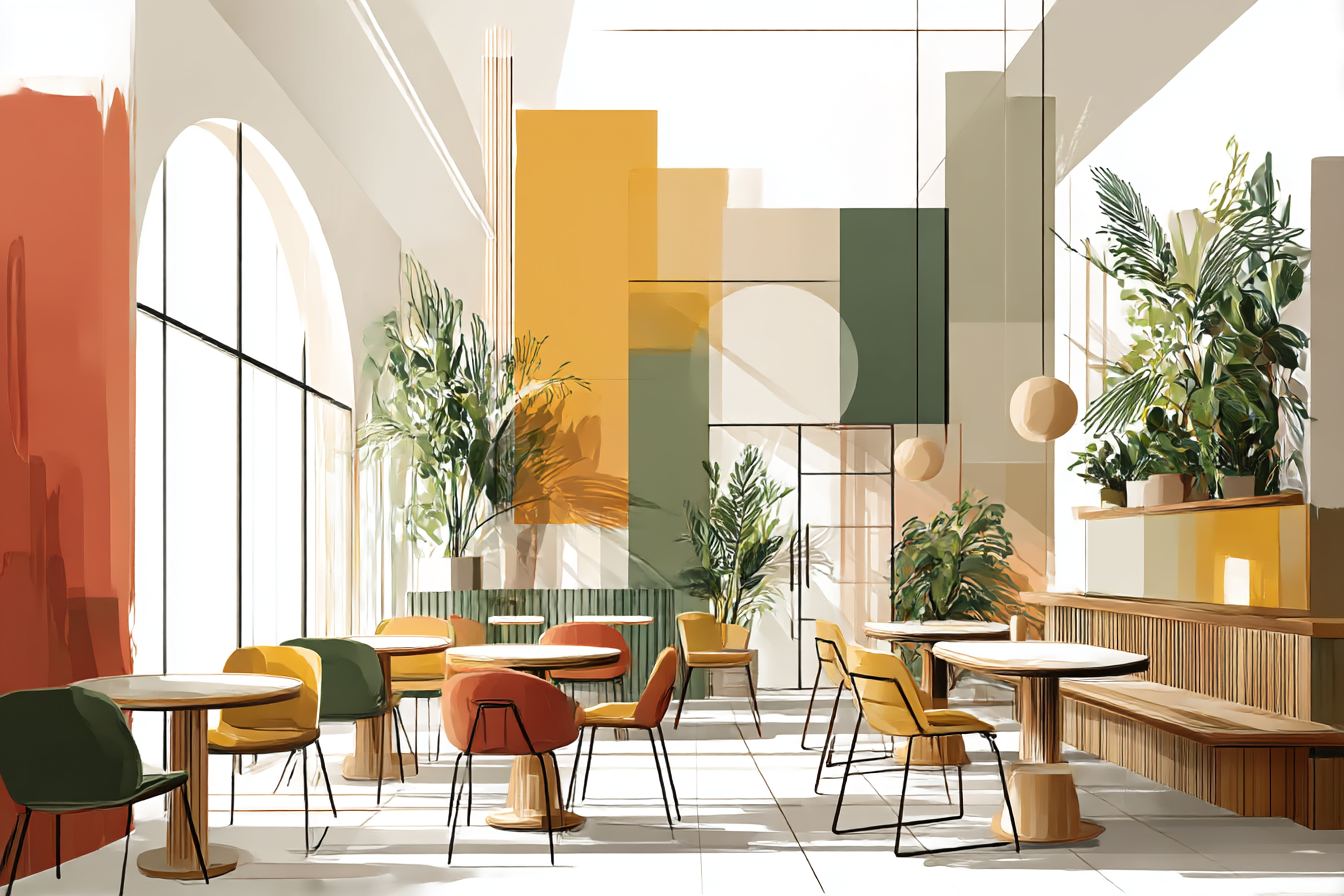
Then we dive in. Hands-on, materials-first. I've learned to stock a ridiculous variety of supplies because you never know what direction people's creativity will take them. Natural wood offcuts in different species (my dad would be proud of my collection), various stones and shells, copper tubing, cork panels, different moss varieties, propagation equipment, simple lighting systems, even beeswax for making custom air fresheners with essential oils.
The beauty of this approach is watching people discover their own biophilic preferences. Some gravitate immediately toward water features – there's always someone who ends up building an elaborate fountain system that's probably going to leak all over their apartment. Others are drawn to textures, spending ages comparing the feel of different bark samples or arranging river rocks by colour gradation.
I remember this one workshop where we had a nurse who worked night shifts. She'd signed up hoping to create something that would help her sleep during daylight hours in her studio apartment. While everyone else was building planters and moss walls, she became obsessed with this circadian lighting setup I'd brought as a demonstration piece. We ended up completely redesigning her bedroom lighting using warm amber LEDs on timers, plus blackout panels made from natural fibre materials. Three weeks later, she emailed me that she was sleeping better than she had in years.
That's the thing about hands-on learning – people discover solutions that work for their specific situation, not just some generic "biophilic design best practices" list. Every living situation is different. Every person responds to natural elements differently. What calms me down might energize you. What helps my focus might distract yours completely.
I've started incorporating more traditional techniques into the workshops too. Last month we spent an afternoon learning Japanese kokedama – those hanging moss ball planters. Sounds simple, right? Wrong. Getting the moss to bind properly around the soil ball is surprisingly tricky, and everyone's kokedama ended up with its own personality. Some looked like perfect spheres, others resembled abstract sculptures that happened to have plants growing out of them.
But here's what was beautiful about it: people weren't just learning a craft technique. They were connecting with this centuries-old practice of bringing nature indoors in small, intentional ways. Several participants mentioned feeling calmer during the process, even when they were frustrated with getting the moss placement right. There's something meditative about working with living materials that don't behave exactly how you expect them to.
The workshops have taught me as much as they've taught my participants. I've learned that my assumptions about what people want from biophilic design are often wrong. I used to focus heavily on air purification benefits and productivity improvements – you know, the quantifiable stuff. But what people actually crave is that emotional connection, that sense of bringing a piece of the outside world into their controlled indoor spaces.
I've also learned that budget concerns are real but often surmountable with creativity. We've done entire workshops using materials from thrift stores, construction waste, and plant propagation. One of my favorite success stories involved a single mom who created an entire living wall system for her daughter's bedroom using recycled plastic bottles, hardware store tubing, and cuttings from free plant swaps. Total cost: under forty dollars. Impact on the kid's mood and sleep quality: priceless.
These days, I'm experimenting with seasonal workshop themes. Spring sessions focus on propagation and new growth.

Summer workshops emphasize cooling strategies and light management. Fall is all about bringing the harvest indoors and preparing plants for winter. Winter sessions dive into light therapy and creating cozy, nest-like spaces.
The participants have become this informal community too. They share photos of their creations, troubleshoot problems together, and often show up to multiple workshops with friends in tow. It's like watching a little ecosystem develop – appropriate, I guess, for a biophilic design community.
What keeps me coming back to this format isn't just the teaching – it's the learning. Every workshop, someone approaches materials or problems in a way I hadn't considered. They remind me that biophilic design isn't about following rules or achieving perfect Instagram-worthy results. It's about reconnecting with our instinct to live alongside natural systems, one improvised planter at a time.