
You know what really gets me fired up? Walking into an office that feels like a sterile laboratory and watching people slowly wilt like houseplants stuck in a basement. I mean, seriously – we’ve somehow convinced ourselves that productivity happens best in environments that would make a monk’s cell look cozy.
Last Tuesday, I was consulting for a tech startup in Austin (they’d reached out after reading about my apartment renovation disaster), and the CEO kept bragging about their “amazing natural light.” Turns out, their idea of natural light was those harsh LED panels that buzz like angry wasps. The entire space was this soul-crushing expanse of grey cubicles, white walls, and exactly zero living things. The only green in sight was the exit sign.
<blockquote>But here’s the thing – and this is where my obsession with biophilic design gets practical – I’ve seen what happens when you flip the script. Three months later, after implementing some strategic changes, their employee sick days dropped by 40%. I’m not making this up. We tracked it.</blockquote>
The transformation wasn’t some massive overhaul either. That’s the beauty of working with nature’s own blueprint for what makes humans feel good. Sometimes the most effective changes are the ones people don’t immediately notice.
We started with light – real light. Those floor-to-ceiling windows they’d been covering with blinds? We opened them up and added light-reflecting surfaces to bounce that Texas sunshine deeper into the space. Within a week, I noticed people naturally gravitating toward those brighter areas. Lunch conversations happened there. Impromptu meetings sprouted up. It’s like watching plants lean toward a window, except it’s humans doing it.
<img class=”size-full” src=”http://wonkydogltd.co.uk/medium/wp-content/uploads/2026/01/im1979_biophilic_design_workplace._ultra-realistichyper-detai_3f7c23e1-888e-4cc6-9ccb-21d6534c40fa_0.jpg” alt=”im1979_biophilic_design_workplace._ultra-realistichyper-detai_3f7c23e1-888e-4cc6-9ccb-21d6534c40fa_0″ />
Then came the green stuff. Now, I’m not talking about turning the office into some tropical paradise (though honestly, that sounds pretty great). We introduced what I call “strategic nature zones” – areas where living elements do double duty. The lobby got a living wall that actually purifies the air while creating this sense of entering something alive rather than sterile. The break room received a collection of snake plants and pothos that could handle the occasional forgotten watering while removing VOCs from all that microwaved leftover pizza.
But the real game-changer? Natural materials. I convinced them to replace those awful laminate conference tables with reclaimed wood – not because it looks fancy, but because touching real wood literally reduces cortisol levels. I’ve got the studies to prove it. During my Singapore stint, I watched how people interacted differently with natural versus synthetic surfaces, and the difference is measurable.
Water became our secret weapon. We installed this small fountain near the main workspace – nothing dramatic, just the gentle sound of moving water. It’s incredible how that soft babbling masks those annoying keyboard clicks and phone conversations while triggering some deep relaxation response in our brains. I swear, the afternoon energy crashes practically disappeared.
You Might Also Like
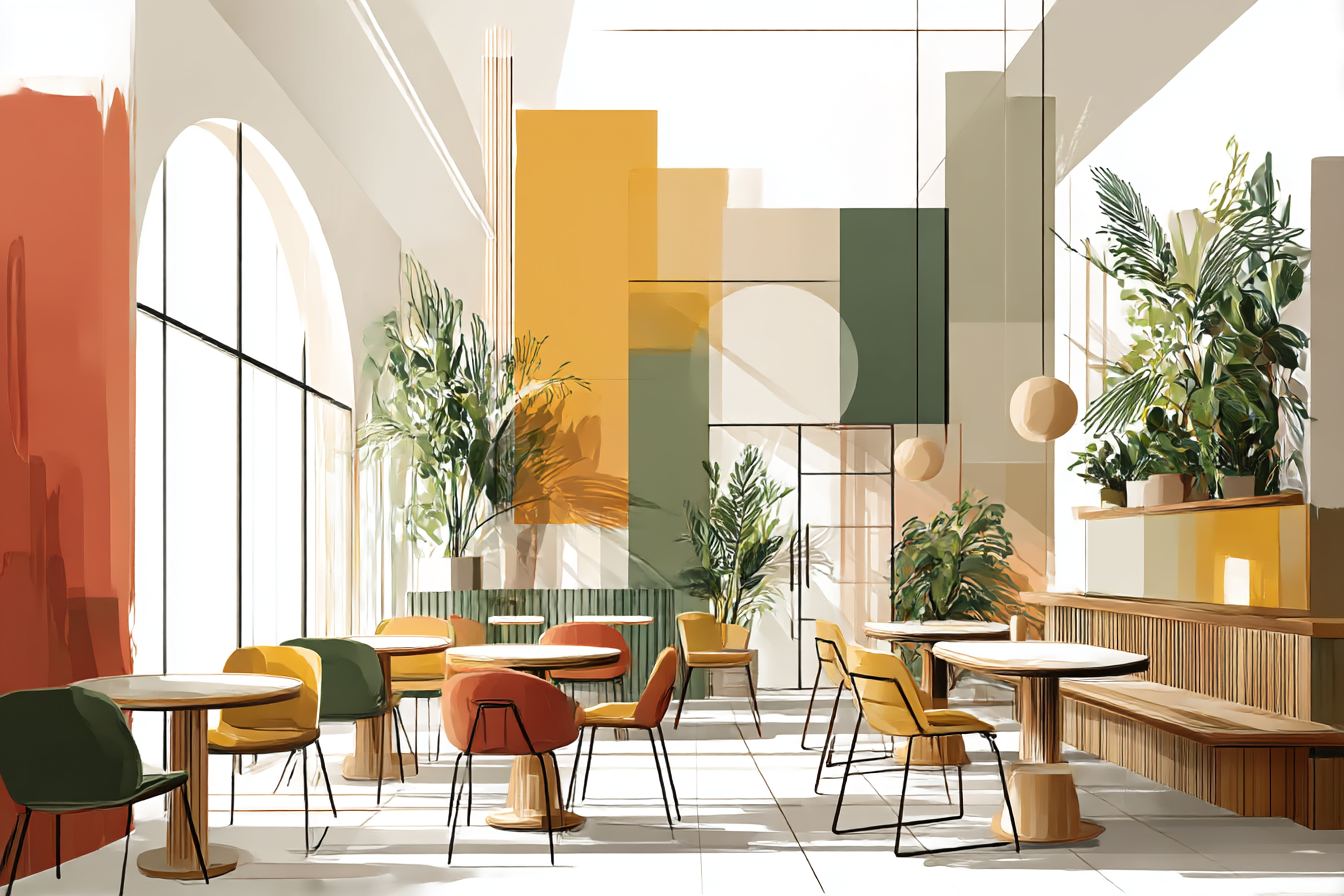
The acoustic benefits surprised everyone, including me. Plants are natural sound dampeners, and strategic placement can eliminate those echo-y, institutional vibes that make every conversation feel like a public announcement. We used hanging planters and floor plants to create natural sound barriers between workstations. Suddenly, people could actually concentrate without noise-canceling headphones glued to their heads.
What really sold the team was seeing their own behavior change. The CEO mentioned feeling less stressed during back-to-back meetings in the renovated conference room. Their lead developer – a guy who typically ate lunch at his desk while scrolling his phone – started taking actual breaks in the newly created outdoor-adjacent seating area. Small shifts, but they add up.
I’ve learned that biophilic office design isn’t about creating some Instagram-worthy jungle workspace (though those can be fun too). It’s about recognising that we’re biological creatures trying to function in artificial environments, and making subtle adjustments that support our actual needs rather than fighting against them.
The research backs this up in ways that should make every HR department pay attention. Employees in nature-connected workspaces report 15% higher wellbeing score, 6% higher productivity, and 15% higher creativity level. But beyond the numbers, there’s something more fundamental happening – people just feel better. They show up more present, collaborate more naturally, and seem less frazzled by everyday workplace stress.
I’m particularly fascinated by how different natural elements affect different aspects of work performance. Views of nature – even through windows – improve focus and reduce mental fatigue. Natural materials like wood and stone provide tactile grounding that helps with emotional regulation. Moving water creates white noise that enhances concentration while reducing anxiety. Living plants improve air quality while creating positive psychological associations with growth and renewal.
<img class=”size-full” src=”http://wonkydogltd.co.uk/medium/wp-content/uploads/2026/01/im1979_biophilic_design_workplace._ultra-realistichyper-detai_3f7c23e1-888e-4cc6-9ccb-21d6534c40fa_1.jpg” alt=”im1979_biophilic_design_workplace._ultra-realistichyper-detai_3f7c23e1-888e-4cc6-9ccb-21d6534c40fa_1″ />
The maintenance concerns are real, though. I won’t sugarcoat that part. Living systems require care, and not every office culture is ready for that responsibility. But I’ve developed strategies for low-maintenance implementations that still deliver significant benefits. Choosing resilient plant species, installing proper drainage and lighting systems, and creating simple care protocols can minimize the burden while maximizing the impact.
<blockquote>Cost is always a consideration, especially for smaller companies. But when I break down the return on investment – reduced sick days, decreased turnover, improved productivity – most clients find the numbers compelling. And honestly, some of the most effective biophilic interventions are surprisingly affordable.

Maximizing natural light costs nothing. Adding plants is cheaper than most furniture. Incorporating natural materials during regular renovation cycles adds minimal expense.</blockquote>
What excites me most is watching workplace culture shift around these changes. Teams that implement biophilic design principles report better communication, increased collaboration, and stronger overall job satisfaction. There’s something about being in environments that honour our connection to the natural world that brings out our more cooperative, creative selves.
The pandemic accelerated interest in this approach as people realised how much their physical environment affects their mental state. Companies are finally recognising that employee wellbeing isn’t just a nice-to-have – it’s a competitive advantage. Creating workspaces that support human flourishing isn’t revolutionary; it’s just good business sense wrapped in better design.