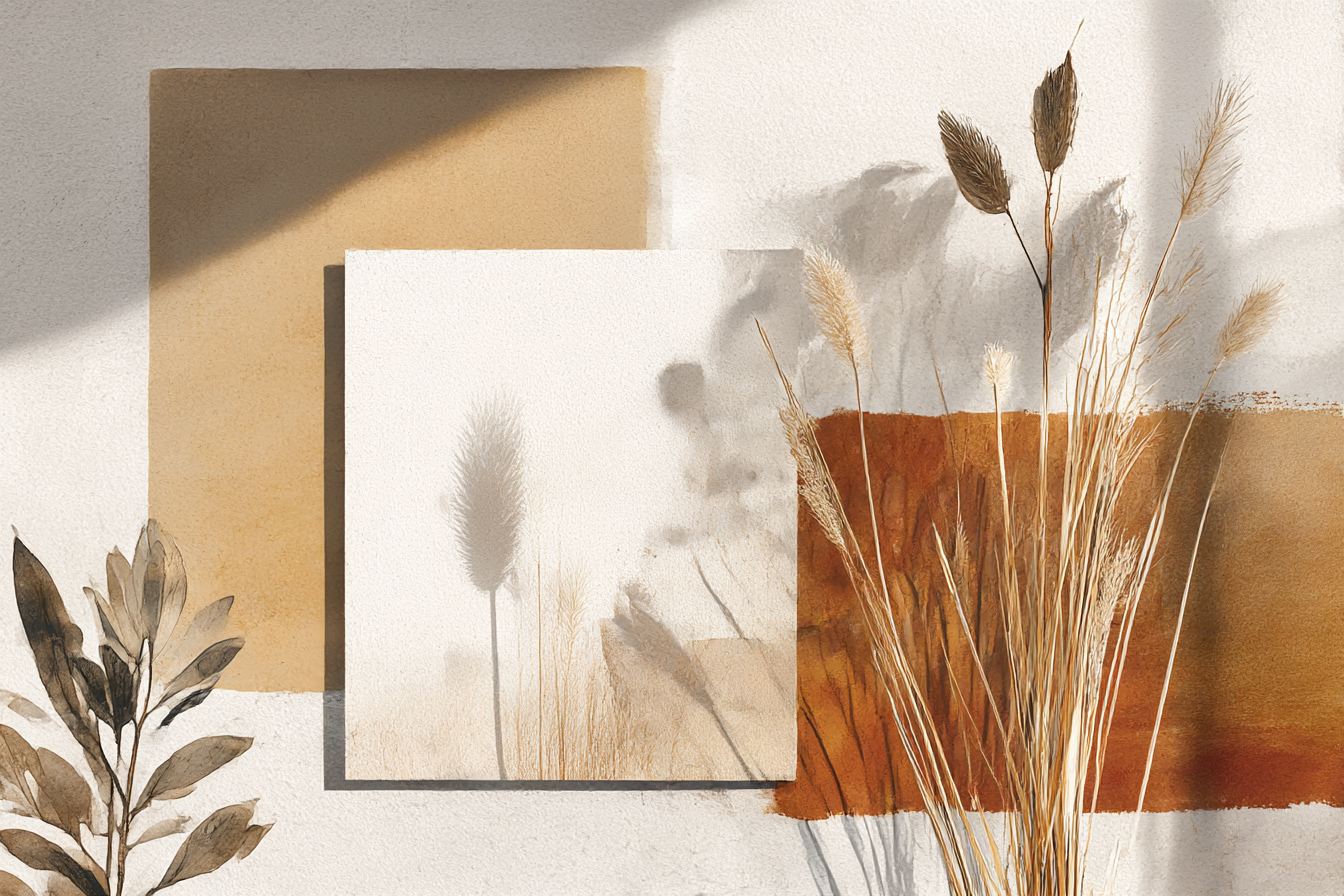
Yesterday I was flipping through an old issue of Architectural Digest (don’t judge me, sometimes you need brain candy), and I came across this stunning bedroom featuring what looked like a forest canopy spreading across every wall. The homeowner had used wallpaper – actual wallpaper – to create this immersive natural environment that made me literally stop mid-page turn. Here I was, someone who’s spent years advocating for living walls and actual plants, getting completely swept away by printed imagery of tree branches.
It got me thinking about my somewhat complicated relationship with nature-inspired wallcoverings. I’ll admit, for the longest time I was pretty snobby about them. Real plants or nothing, you know? Why settle for a picture of a fern when you could have an actual fern purifying your air and responding to your care? But afteAr years of consulting on projects where live plants simply weren’t feasible – think sterile medical environments or spaces with zero natural light – I’ve had to reconsider my position.
<blockquote>The turning point came about three years ago when I was working with a children’s hospital in Cleveland. Budget constraints had already eliminated my proposed healing garden, the living wall got axed during value engineering, and even my modest proposal for a few low-maintenance snake plants got shot down by infection control. I was feeling pretty defeated when the head nurse mentioned they were planning to repaint the infusion room. “What if we didn’t just paint?” I suggested, probably sounding more desperate than I intended.</blockquote>
What followed was one of those happy accidents that sometimes makes this work worthwhile. We ended up selecting a wallpaper featuring an abstract interpretation of aspen leaves – nothing too literal or childish, just these gentle, organic shapes in soft greens and golds. The pattern had this almost hypnotic quality, with enough variation to keep your eye interested but not so much complexity that it felt overwhelming.
The results surprised even me. Nurses reported that kids seemed less anxious during treatments, parents lingered longer (which staff initially worried about but came to appreciate), and the space just felt… calmer. One eight-year-old patient named Emma started calling it “the forest room” and would specifically request that treatment bay when she came in for her weekly infusions. Her mom told me Emma had started drawing pictures of the walls at home between visits.
<img class=”size-full” src=”http://wonkydogltd.co.uk/medium/wp-content/uploads/2026/01/im1979_biophilic_design_wallpaper._ultra-realistichyper-detai_1f913be3-234b-4425-9301-9af1e793c6c1_0.jpg” alt=”im1979_biophilic_design_wallpaper._ultra-realistichyper-detai_1f913be3-234b-4425-9301-9af1e793c6c1_0″ />
That experience forced me to really examine what I’d been missing about nature-inspired wallcoverings. See, I’d been thinking about them purely as aesthetic choices – pretty pictures of trees or flowers that might look nice but couldn’t possibly deliver the physiological benefits of actual living systems. What I hadn’t considered was their potential as psychological bridges to nature experiences, especially for people who might have limited access to outdoor environments.
There’s actually fascinating research emerging about how our brains respond to visual representations of natural elements. Dr. Roger Ulrich’s work – he’s the guy who first documented how hospital patients with views of trees recovered faster – has expanded to include studies on nature imagery. Turns out our nervous systems can’t always distinguish between experiencing actual nature and viewing high-quality representations of it, especially when those representations include certain key characteristics.
Fractal patterns are huge. You know how tree branches split into smaller branches, which split into even smaller branches? That self-similar pattern at different scales appears throughout nature – in coastlines, lightning, leaf veins, cloud formations. Our brains seem hardwired to find these patterns inherently calming. I’ve started specifically seeking out wallpapers that incorporate fractal elements, even if they’re abstractions rather than literal depictions of natural forms.
You Might Also Like

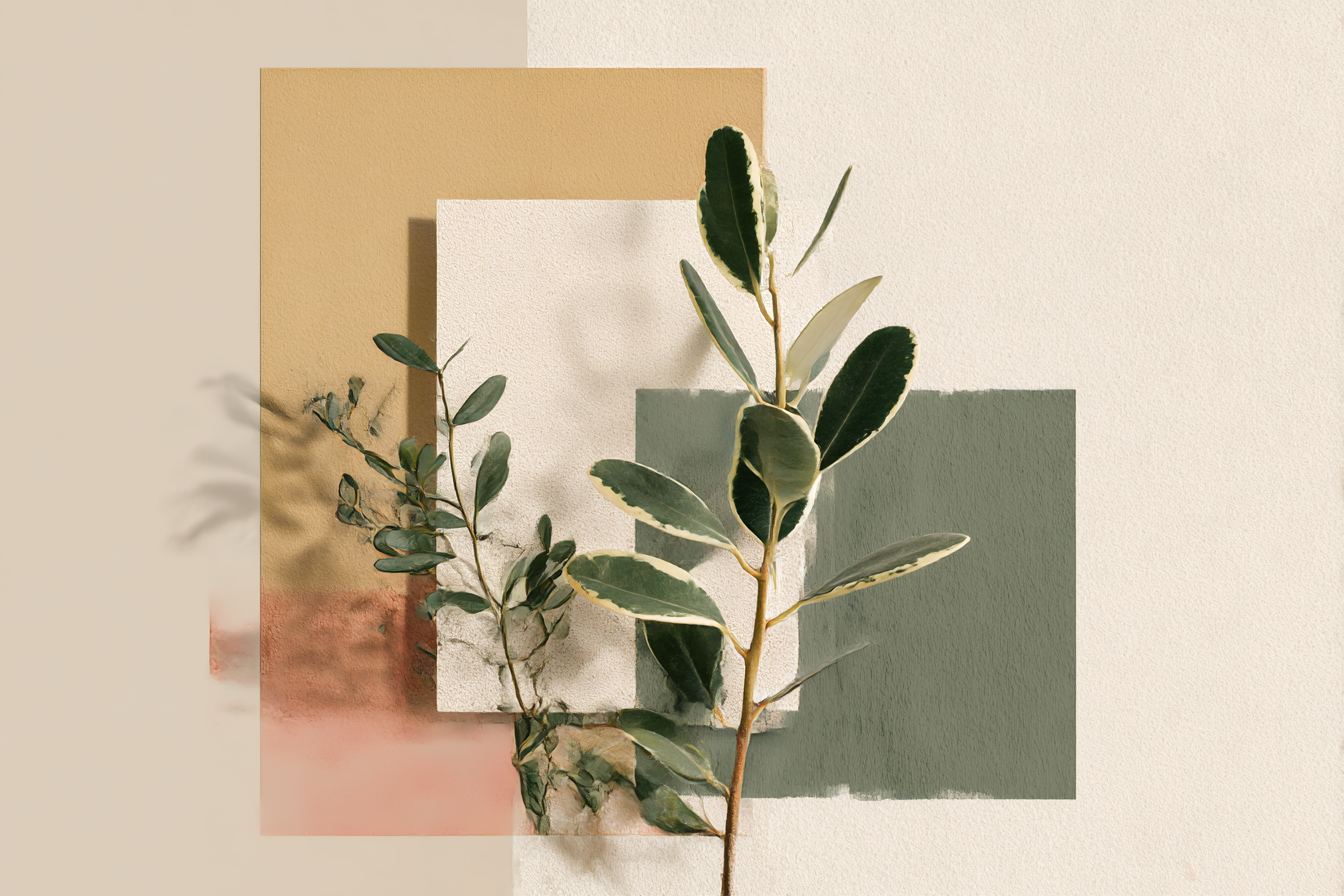
Colour matters enormously too, but not always in the ways you’d expect. I used to default to obvious nature colours – forest greens, sky blues, earth browns. But I’ve learned that sometimes unexpected colour palettes can evoke natural feelings more effectively than literal interpretations. I recently used a wallpaper in dusty rose and sage green – colours inspired by desert landscapes at dawn – in a meditation room, and people consistently described feeling “grounded” and “peaceful” in the space, even though nothing about those colours screams “nature” at first glance.
Texture is where wallpaper technology has gotten really interesting lately. I’m obsessed with these new materials that mimic the tactile qualities of natural surfaces – bark-like textures, stone patterns with actual dimensional variation, grasscloth weaves that feel remarkably similar to actual woven plant fibres. There’s something about engaging multiple senses that seems to amplify the biophilic effect.
I worked on a corporate office renovation last year where we used a wallcovering that looked and felt almost exactly like weathered wood planks. The CEO was initially skeptical – “Isn’t this just fake wood?” – but employees started gravitating toward that conference room for informal meetings and phone calls. People would unconsciously run their hands along the walls during conversations. The space developed this organic warmth that actual wood paneling might have provided but at a fraction of the cost and maintenance.
The sustainability angle has become increasingly important to me too. High-quality wallpaper, especially when it’s properly installed and maintained, can last decades. Compare that to the environmental impact of constantly replacing short-lived houseplants (trust me, not everyone has a green thumb), or the resources required for major biophilic renovations involving living walls and water features.
I’ve also come to appreciate wallpaper’s democratic potential. A roll of thoughtfully designed nature-inspired wallcovering costs roughly the same as a single fiddle-leaf fig tree, but it can transform an entire accent wall. For renters or people in situations where they can’t make major modifications, wallpaper offers a way to create meaningful connections to natural imagery without permanent structural changes.
The key is being selective and intentional. Not all nature-themed wallpaper delivers biophilic benefits – I’ve seen plenty of garish tropical prints and overly stylized botanical patterns that feel more theme-park than therapeutic. The most effective designs tend to be either highly realistic depictions of natural scenes or thoughtful abstractions that capture essential qualities of natural patterns without literal representation.
<img class=”size-full” src=”http://wonkydogltd.co.uk/medium/wp-content/uploads/2026/01/im1979_biophilic_design_wallpaper._ultra-realistichyper-detai_1f913be3-234b-4425-9301-9af1e793c6c1_1.jpg” alt=”im1979_biophilic_design_wallpaper._ultra-realistichyper-detai_1f913be3-234b-4425-9301-9af1e793c6c1_1″ />
I keep a collection of samples in my studio now, organised not by manufacturer or price point but by the emotional responses they tend to evoke. Some patterns feel energizing – great for workspaces or exercise areas.
Others are distinctly calming – perfect for bedrooms or meditation spaces. A few have this interesting quality of feeling simultaneously cozy and expansive, which works beautifully in small apartments where people need their spaces to serve multiple functions.
<blockquote>My current favorite discovery is a wallpaper that captures the play of light through water – you know that dancing, ever-changing pattern you see at the bottom of a swimming pool? It’s subtle enough that you don’t consciously register it as “water pattern,” but rooms featuring this wallcovering consistently receive comments about feeling “serene” and “fluid.” I used it in a bathroom renovation recently, and the homeowner swears her morning routine feels more like a spa experience now.</blockquote>
The field keeps evolving too. I’m seeing wallpapers embedded with subtle LED elements that change throughout the day to mimic natural light cycles. Others incorporate sound-absorbing properties while displaying nature imagery, addressing both visual and acoustic comfort simultaneously.
Looking back at that Architectural Digest photo that started this reflection, I think what captured me wasn’t just the visual beauty of that forest canopy wallpaper – it was recognising the sophistication of using printed imagery to create an immersive natural environment. Sometimes the most effective biophilic design isn’t about bringing actual nature indoors, but about creating meaningful connections to natural experiences through whatever tools are available. And sometimes, those tools come in rolls.



