
Walking through a friend's newly renovated office last Tuesday, I couldn't help but notice how different it felt from typical corporate spaces. Natural light streamed through strategically placed windows, a living moss wall hummed quietly in the corner, and reclaimed wood shelving displayed actual plants instead of the usual motivational posters. "Productivity's up 40% since the renovation," she mentioned casually, and honestly? I wasn't surprised.
You know, implementing nature-based design principles isn't rocket science, but it does require thinking beyond the typical "throw some plants in a corner and call it green" approach that I see way too often. Real biophilic design—the kind that actually impacts how people feel and perform in spaces—starts with understanding that humans aren't separate from nature, we're part of it. Our bodies and brains are wired for natural environments, not fluorescent-lit boxes.
<blockquote>The foundation of any successful nature-integrated design starts with light. Not just any light—the right light.
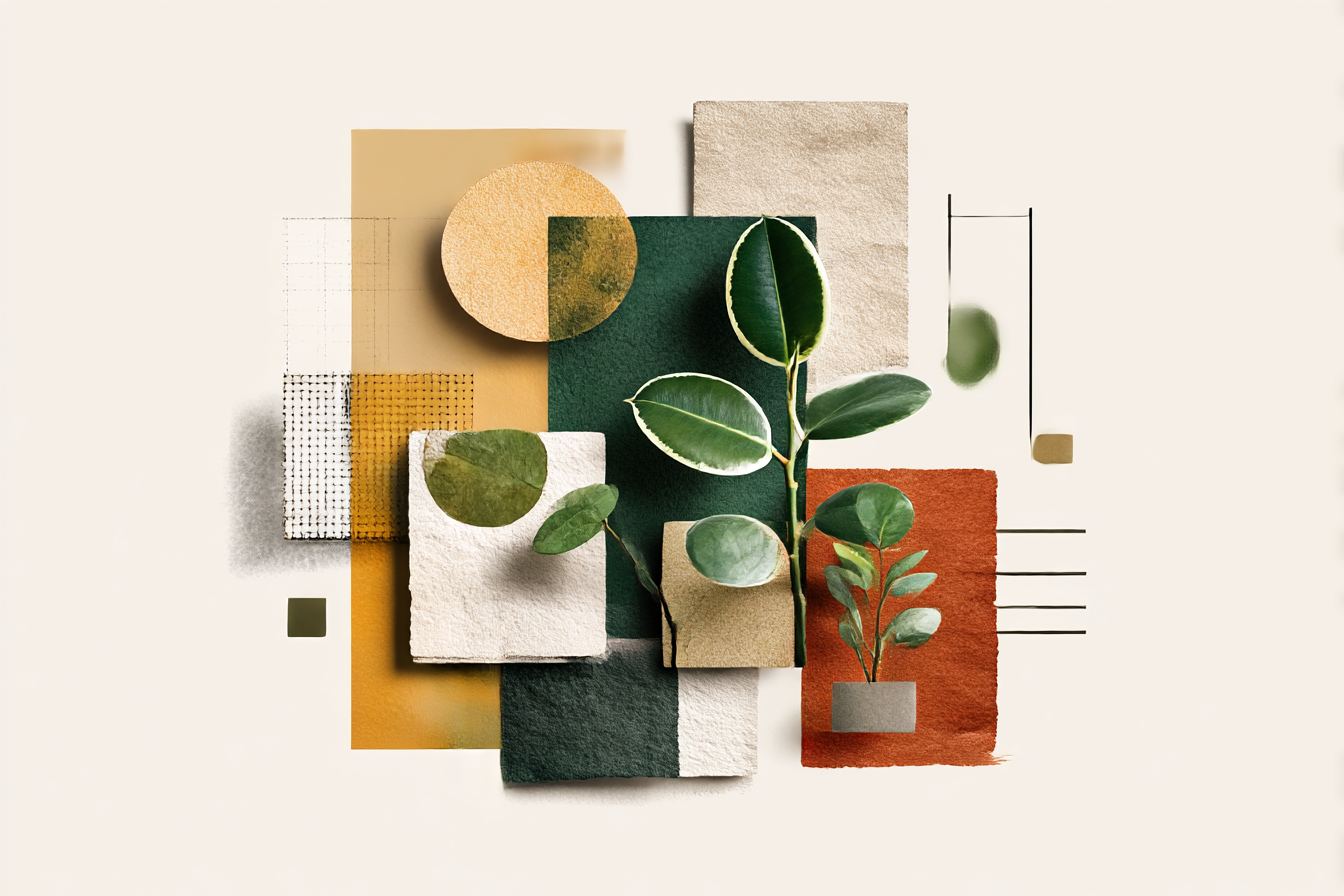
I learned this the hard way when I spent three months working in a basement office with nothing but harsh overhead LEDs. By week six, I was drinking four cups of coffee just to stay alert, and my sleep cycle was completely shot. Natural circadian rhythms need light that changes throughout the day, mimicking how the sun actually behaves. This means warmer light in the morning and evening, cooler and brighter during midday.</blockquote>
When I'm consulting on projects now, I push for as many south-facing windows as possible. But here's the thing—you can't always knock down walls or redesign entire buildings. Sometimes you work with what you've got. I've had great success with programmable LED systems that automatically adjust colour temperature throughout the day. They're not cheap upfront (we're talking $800-1200 for a decent residential system), but the impact on sleep quality and daytime alertness makes the investment worthwhile.
Material choices matter more than most people realise. There's actual research showing that touching wood reduces stress hormones within minutes. I mean, think about it—when's the last time you felt relaxed running your hand along a plastic surface? Our nervous systems respond to natural textures in ways we're barely conscious of. Cork flooring, bamboo panels, stone countertops—these aren't just aesthetic choices, they're physiological interventions.
<img class="size-full" src="http://wonkydogltd.co.uk/medium/wp-content/uploads/2026/01/im1979_biophilic_design_strategy._ultra-realistichyper-detail_049bc9c7-32cd-40e6-9b45-d3cc2e2bef1a_0.jpg" alt="im1979_biophilic_design_strategy._ultra-realistichyper-detail_049bc9c7-32cd-40e6-9b45-d3cc2e2bef1a_0" />
I remember working on a pediatric dentist's office where we replaced all the synthetic waiting room furniture with pieces made from reclaimed oak. Parents reported their kids seemed less anxious during appointments. Could've been coincidence, sure, but I've seen this pattern repeatedly. Natural materials create a subconscious sense of safety that manufactured ones simply don't match.
Water features get overlooked way too often, probably because people worry about maintenance. But moving water does something magical to interior acoustics—it masks harsh mechanical sounds while creating what researchers call "positive distraction." A simple tabletop fountain can transform the audio environment of a room. I've got one in my own office that cost maybe $150, and clients consistently comment on how calm the space feels.
The trick with water features is keeping them simple. Complicated pumping systems break down, elaborate designs collect dust, and anything requiring weekly maintenance will eventually get ignored. Start small. A basic copper fountain with river rocks works better than an expensive wall installation that stops functioning after six months.
Plant selection requires more strategy than most people think. Sure, pothos and snake plants are nearly indestructible, but they won't necessarily give you the air purification benefits you're hoping for. NASA's research on plants for air quality focused on specific species for specific pollutants. Spider plants excel at removing formaldehyde, peace lilies tackle ammonia, and rubber trees handle multiple volatile organic compounds.
You Might Also Like
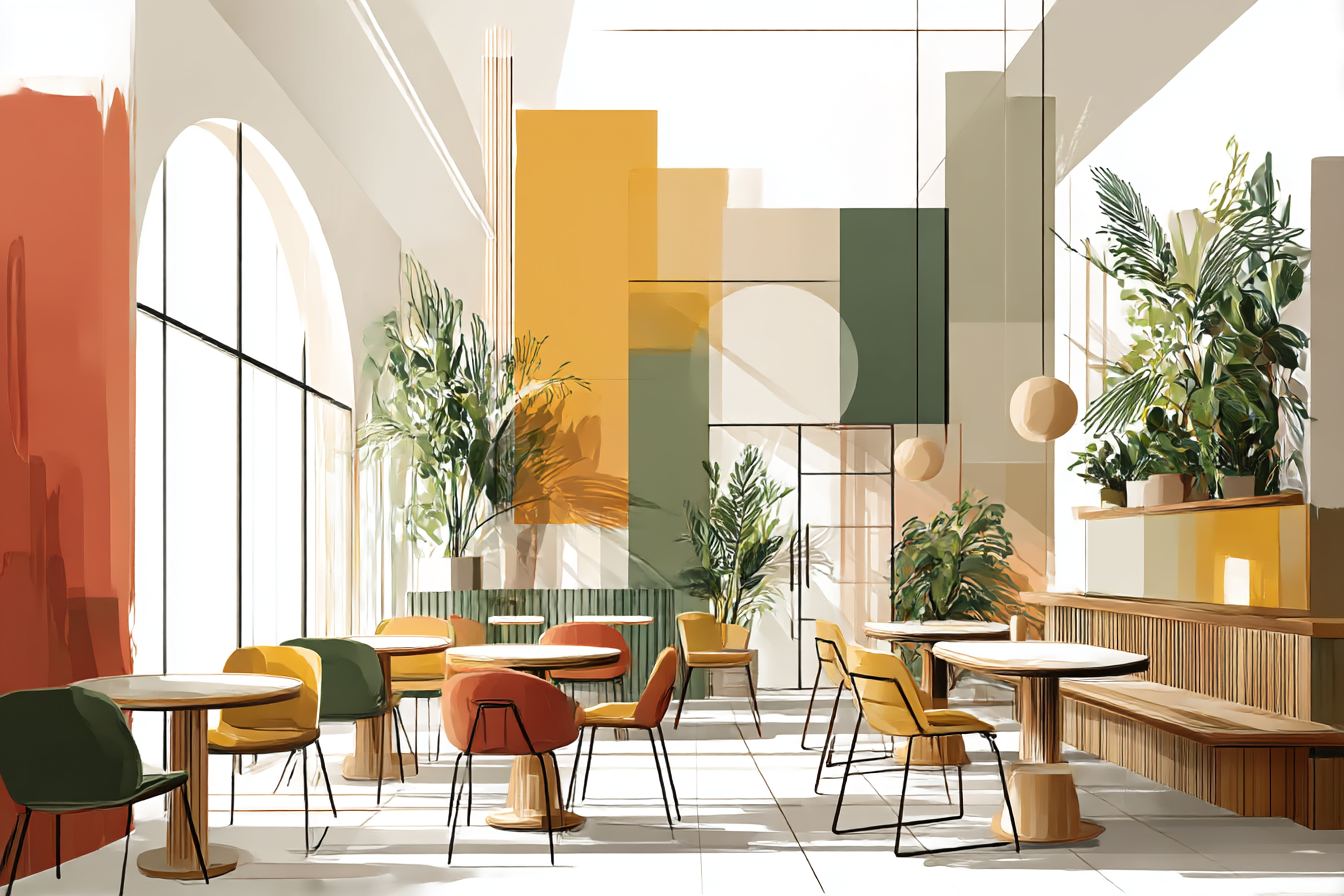
But here's what matters more than individual species—plant density. One lonely fern in the corner won't impact air quality. You need approximately one plant per 100 square feet to notice measurable improvements. I learned this after spending way too much money on a single expensive fiddle leaf fig, expecting it to transform my apartment's air quality. Spoiler alert: it didn't.
Colour psychology plays into biophilic design in ways that aren't immediately obvious. Natural colour palettes—earth tones, soft greens, warm browns—create psychological associations with safety and restoration. But this doesn't mean everything needs to be beige. I've used deep forest greens and warm terracottas to stunning effect. The key is avoiding harsh, artificial colours that don't exist in natural environments. That electric blue accent wall? Your nervous system reads it as unnatural and potentially threatening.
Ventilation often gets ignored in nature-focused design, but it shouldn't. Stagnant air feels oppressive regardless of how many plants you add. Natural ventilation patterns—cross-breezes, thermal movement, fresh air circulation—make spaces feel alive. When renovation allows, I always advocate for operable windows. When it doesn't, high-quality air filtration systems can create similar effects.
Views matter enormously, even when they're not spectacular. Research shows that looking at any natural scene for just 40 seconds can restore cognitive function after mental fatigue. This could be a tree outside your window, a courtyard garden, or even a well-designed planted balcony. The key is visual access to something living and changing.
I recently worked with a client whose home office faced a brick wall. We couldn't change the window location, but we created a "borrowed view" using mirrors positioned to reflect her neighbour's garden. Sounds gimmicky, but the psychological impact was immediate. Having something green and growing in her peripheral vision made hours of computer work more tolerable.
<img class="size-full" src="http://wonkydogltd.co.uk/medium/wp-content/uploads/2026/01/im1979_biophilic_design_strategy._ultra-realistichyper-detail_049bc9c7-32cd-40e6-9b45-d3cc2e2bef1a_1.jpg" alt="im1979_biophilic_design_strategy._ultra-realistichyper-detail_049bc9c7-32cd-40e6-9b45-d3cc2e2bef1a_1" />
Seasonal variation brings spaces alive in ways that static design can't match. This might mean switching out textiles, rotating plant displays, or adjusting lighting schedules as daylight hours change. I've started incorporating deciduous plants indoors specifically for this reason. Watching a small maple bonsai change throughout the year creates temporal connections to natural cycles that most interior spaces completely lack.
<blockquote>Temperature gradients simulate outdoor environments better than uniform climate control. Nobody expects you to create microclimates throughout your house, but small variations—slightly cooler reading nooks, warmer gathering areas—make spaces feel more alive and responsive.</blockquote>
The biggest mistake I see people make is trying to implement everything at once. Start with one or two elements that address your biggest challenges. Poor sleep?
Focus on lighting and sound. High stress? Prioritize tactile materials and plants. Low energy? Work on air quality and natural light. Each successful intervention builds momentum for the next.
After years of testing these principles in my own space and consulting on dozens of projects, I've learned that effective biophilic design feels invisible when done right. People just know the space feels better—they linger longer, breathe deeper, think more clearly. That's the real goal: creating environments that support human flourishing by honoring our biological need for connection with the natural world.