I’ve spent nineteen years designing outdoor spaces, and I learned pretty quickly that anything marketed as “sustainable luxury” usually means expensive greenwashing with a side of guilt-trip marketing. You know what I mean – the bamboo patio furniture that falls apart after one winter, the “eco-friendly” synthetic turf that’s just plastic with better PR. So when people talk about sustainable luxury fashion, my eyes usually glaze over. But last year I met someone who completely changed how I think about this stuff.
Her name’s Elena Vasquez, and she wasn’t even supposed to be at this green building conference in Santa Fe. I’d just finished presenting about thermal performance in traditional adobe construction – pretty dry stuff, honestly – when this woman approached me afterward.
Turns out she designs clothing, but she was fascinated by how indigenous building techniques prioritized longevity and climate adaptation. “Fashion could learn from this,” she said over what might have been the worst conference coffee I’ve ever tasted. “We’re building clothes that fight against durability instead of embracing it.”
That conversation stuck with me. I mean, as a landscape architect, I spend my days trying to convince people that working with natural systems instead of against them actually creates better results. But I’d never thought about clothing the same way.
Elena invited me to visit her studio in Taos a few months later. I’ll be honest – I expected some bohemian setup with flowing fabrics everywhere and maybe some crystals scattered around for good measure. What I found was basically a laboratory. She had charts tracking lifecycle costs of different fibres, fabric samples organised by durability testing results, and prototypes that looked like they belonged in a materials science lab rather than a fashion house. Her approach to clothing design mirrored exactly what I try to do with buildings: understand the actual performance requirements, choose materials based on function rather than marketing hype, and create things that work better while lasting longer.
The similarities were kind of shocking, actually. Just like buildings, most clothing gets designed using standardized approaches regardless of where it’ll actually be used. A business suit sold in Phoenix uses the same synthetic materials as one sold in Seattle, despite completely different climate demands. That’s like using the same plant palette for a San Diego garden and a Portland garden – it makes no sense.
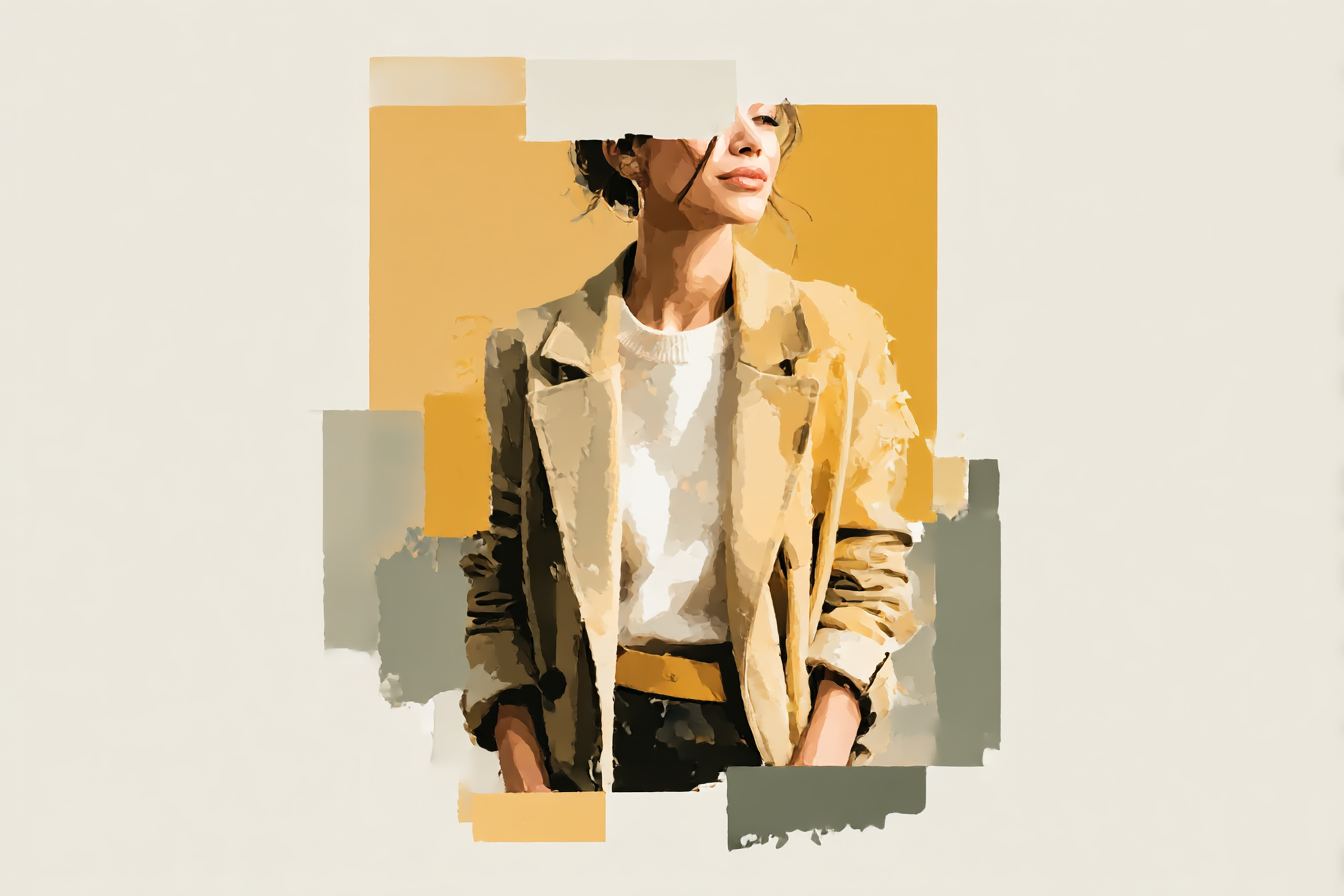
Elena showed me how she adapts fabric weights, weaves, and fibre choices based on regional climate data. Her summer blazers for southwestern clients use lighter weight wools with looser weaves that allow air circulation, while maintaining that structured appearance you need in professional settings. It’s the clothing equivalent of choosing native plants that thrive in local conditions instead of fighting them with constant irrigation and chemicals.
What impressed me most was her honesty about tradeoffs. Elena uses some synthetic materials because they actually perform better for specific applications than natural alternatives. Her hiking pants incorporate recycled polyester not because it’s “natural” but because it provides superior moisture management and durability compared to cotton or hemp alternatives. “People want to hear that natural equals sustainable,” she explained while showing me wear test results, “but sometimes the synthetic option lasts three times longer and performs significantly better. The math matters.”
This is exactly the kind of practical thinking I wish more of my clients had about landscaping. Everyone wants to believe there’s some perfect natural solution for every situation, but sometimes you need to make pragmatic choices based on actual performance data.
She’s also brutally honest about costs, which I appreciated. Real sustainable luxury isn’t cheap, and Elena doesn’t pretend otherwise. A custom blazer from her studio costs around $800 – roughly four times what you’d pay for similar styling at a department store. But she walked me through the economics, and honestly, it reminded me of conversations I have with clients about native plant landscaping. The upfront investment is higher, but her blazers are designed to last fifteen to twenty years with proper care, versus maybe three to five years for typical options. The per-year cost actually works out lower, plus you’re not dealing with replacements, alterations, or the frustration of clothes that fall apart just when you need them most.
The construction methods fascinated me as someone who thinks about building performance all day. Elena uses techniques borrowed from traditional tailoring but updated with modern materials science. Her suit jackets have canvas interlinings made from organic cotton and horsehair, providing structure that maintains shape for decades without the petroleum-based fusible interfacings used in most commercial construction. The stitching patterns are designed for repairability, with stress points reinforced and key seams accessible for maintenance. It’s like building envelope design applied to clothing.
You Might Also Like
Her material sourcing reads like a case study in supply chain transparency – something I wish was more common in the landscape industry. Elena works directly with wool producers in Colorado and New Mexico, visiting ranches to understand grazing practices and animal welfare standards. Her linen comes from a cooperative in Oregon that processes flax using mechanical rather than chemical methods. The leather she occasionally uses gets sourced from ranches practicing regenerative agriculture, where cattle management actually improves soil health. She knows her suppliers personally and can tell you exactly how each material was produced.
This level of sourcing control allows Elena to optimize for local climate conditions in ways that mass market brands never could. Her wool suits for Denver clients use fibre from sheep raised at similar elevations, naturally adapted to temperature fluctuations and low humidity. Her cotton pieces incorporate varieties selected for durability rather than just yield, grown using water-efficient methods appropriate for arid regions. It’s basically the fashion equivalent of using local materials in construction – something that just makes sense environmentally and functionally.
The design process itself reflects sustainability principles that I try to apply in my landscape work. Elena creates maybe twenty new pieces per year, compared to hundreds for typical fashion brands. Each design gets tested extensively, both for durability and for how it performs across different body types and lifestyle requirements. She actually wears prototypes for months, tracking how they hold up to daily use, how they clean, how they age. Failed designs don’t make it to production, unlike fast fashion where everything gets produced regardless of quality.
Her business model completely rejects the seasonal collection approach that drives most fashion waste. Instead of spring/fall collections that become obsolete, Elena creates what she calls “permanent pieces” designed to work across multiple years and seasons. Clients can order variations on existing designs with different fabrics or minor modifications, but the core silhouettes remain consistent. This allows for better material utilization and reduces the waste inherent in constantly changing styles.
Maintenance support gets built into the purchase price – something I always include in my landscape design contracts. Elena provides detailed care instructions specific to each piece, offers repair services, and even updates older pieces with minor modifications to extend their useful life. One client brought back a dress from 2018 that needed taking in after weight loss, and Elena was able to restructure the entire garment rather than just making simple alterations. Try getting that service from a department store purchase.
The environmental calculations are impressive when you actually run the numbers – and believe me, I run numbers on everything. Elena’s lifecycle assessments show her garments producing roughly 60% less environmental impact per year of use compared to equivalent fast fashion alternatives, primarily due to dramatically longer useful life and higher quality materials that require less chemical processing. The upfront environmental cost is higher, but it gets amortized over decades rather than seasons.
I started buying my professional clothes from Elena about six months ago, initially just curious about whether the performance claims held up. My first purchase was a sport coat for conferences and client meetings. The fit is excellent, obviously, but what surprised me was how well it travels. The fabric doesn’t wrinkle significantly, it packs efficiently, and it’s comfortable during long days without feeling constraining. After wearing it regularly for half a year, it shows essentially no signs of wear.
The cost initially made me hesitate, I’ll admit. Eight hundred dollars for a jacket felt excessive compared to my usual shopping habits – I’m pretty much a Target and Costco person for most purchases. But when I calculated the per-wear cost based on realistic usage patterns, it actually made economic sense, especially considering the professional advantages of consistently looking put-together. Plus there’s something satisfying about owning clothing that’s designed to last, rather than constantly replacing items that fall apart or look dated.
Elena’s approach represents what sustainable luxury could actually mean: products designed for superior performance and longevity, made using environmentally responsible methods, priced to reflect true costs rather than artificially cheap through externalized environmental and social impacts.
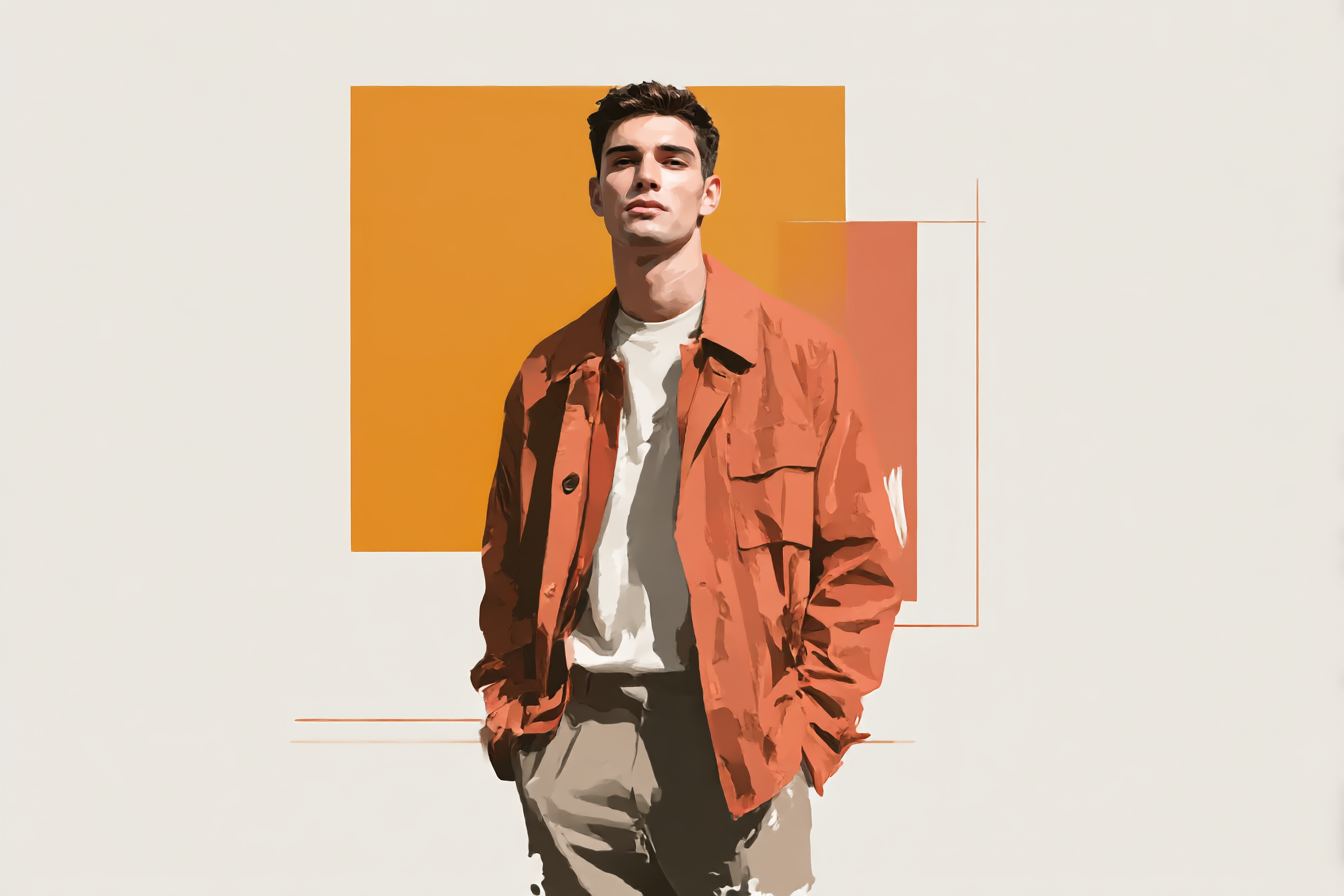
It’s luxury defined by quality and durability rather than status signaling or artificial scarcity.
This model could transform fashion the same way building performance standards are slowly transforming construction. When clients start demanding transparency about material sourcing, construction methods, and lifecycle performance, designers respond with better products. Elena’s success suggests there’s real market demand for clothing that works better while lasting longer, despite higher upfront costs.
The broader implications extend beyond individual purchases. Supporting designers like Elena helps develop supply chains for sustainable materials, proves market viability for quality-focused business models, and demonstrates that luxury can mean something more meaningful than expensive logos on disposable products. It’s the kind of market transformation that happens one conscious purchase at a time, building momentum toward better industry standards overall. Just like the slow shift toward native plant landscaping – it starts with individual projects and gradually changes entire industries.