I've been fascinated by European building approaches ever since I attended a sustainable design conference in Denver three years ago. The keynote speaker, a Dutch architect named Marieke van der Berg, showed slides of her firm's latest residential project in Amsterdam, and I literally sat forward in my seat. Here was a housing development that achieved net-positive energy performance while looking absolutely nothing like the solar-panel-encrusted boxes that pass for "green" buildings in most American subdivisions.
What struck me wasn't just the technical performance, though that was impressive enough. It was how the Dutch approach seemed to integrate sustainability so seamlessly into what was unmistakably beautiful architecture. No compromise aesthetics. No virtue signaling through visible technology.

Just buildings that worked incredibly well while looking like places people actually wanted to live.
After that conference, I started paying closer attention to Dutch design, and honestly? It's been both inspiring and slightly depressing. Inspiring because they're solving problems we're still struggling with. Depressing because it highlights how far behind we are in many areas, particularly here in the Southwest where our building industry seems allergic to innovation.
The Netherlands faces unique environmental pressures that have forced creative solutions. Rising sea levels, intense storms, limited space, and strict energy regulations create constraints that American builders rarely encounter. But constraints often breed innovation, and Dutch designers have responded with approaches that are genuinely revolutionary.
Take their attitude toward materials. Dutch firms aren't just selecting sustainable options from standard catalogues. They're actively developing new materials or rediscovering traditional ones with modern applications. I recently read about a project in Rotterdam where designers used compressed agricultural waste as insulation. Not some boutique green building showcase, mind you, but mass housing where cost performance was crucial. The material outperformed conventional insulation while sequestering carbon and supporting local agriculture.
This kind of systems thinking permeates Dutch sustainable design. They don't view individual building components in isolation but as parts of larger ecological and economic networks. A textile company in Tilburg developed interior fabrics from recycled ocean plastics, creating furniture and wall coverings that are genuinely beautiful while addressing waste streams. The fabric performs as well as conventional options but carries this additional benefit that emerges from thinking beyond the immediate building.
Dutch designers also excel at what I call "invisible sustainability." American green buildings often announce their environmental credentials through obvious visual cues, solar arrays, green roofs, exposed sustainable materials. Dutch projects tend toward subtlety. The sustainability is embedded in fundamental design decisions rather than applied as decoration.
I visited Amsterdam two summers ago, and my architect friend took me through several recent residential developments. One project looked completely conventional from the street, elegant brick townhouses that fit seamlessly into the historic neighborhood context. Inside, though, every material choice had been optimized for both performance and environmental impact. Low-impact concrete alternatives, rapidly renewable wood species, non-toxic finishes throughout. The mechanical systems were so efficient and quiet I couldn't locate them. The buildings achieved Passive House standards while maintaining traditional Dutch architectural character.
This integration of performance and aesthetics reflects a fundamental difference in approach. American sustainable design often treats environmental responsibility as an additional requirement to be layered onto conventional building practices. Dutch designers seem to view sustainability as inherent to good design, not separate from it. They're not adding green features; they're designing buildings that happen to be sustainable because they're well designed.
You Might Also Like
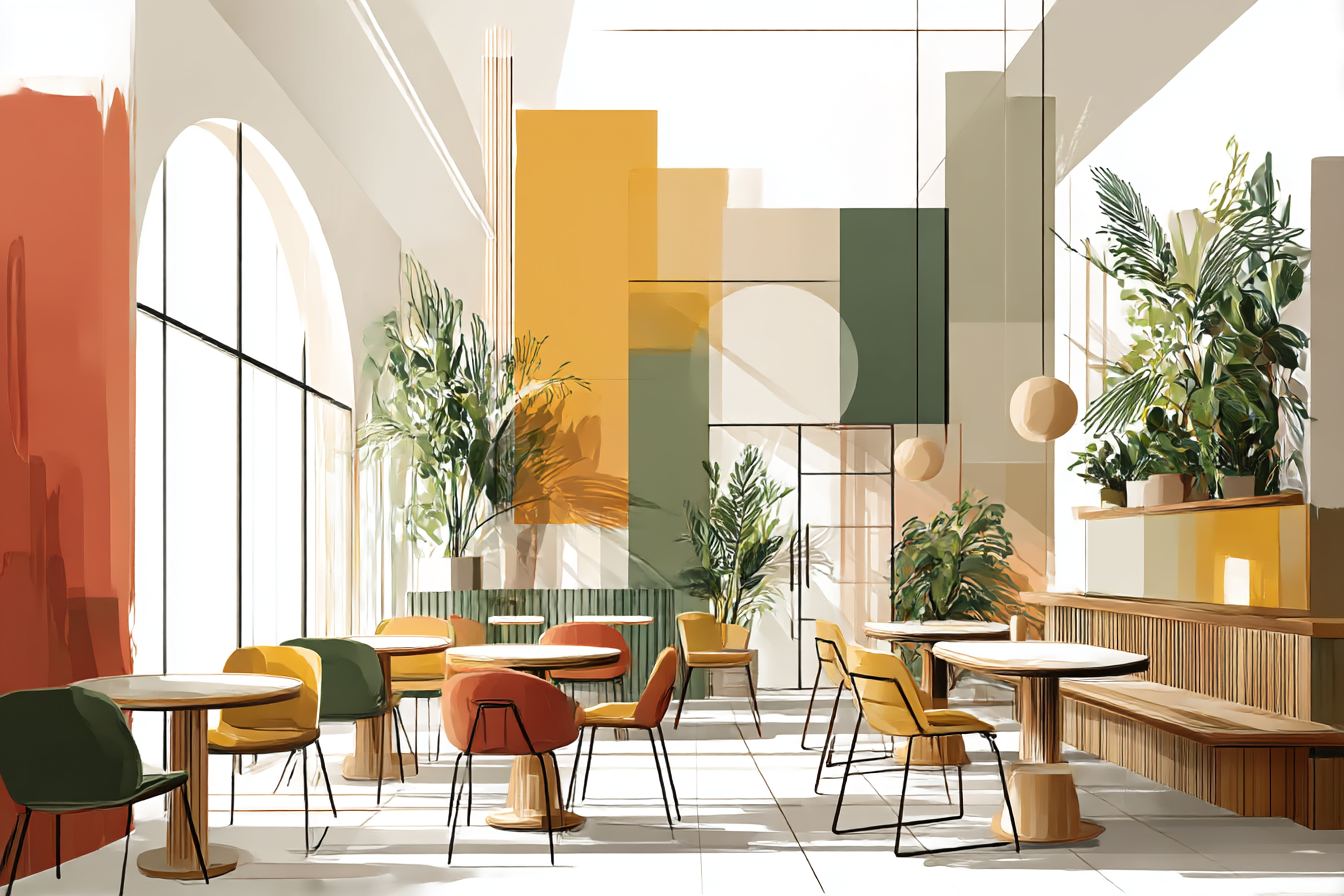
The circular economy concept, which feels theoretical in many American contexts, is practically implemented in Dutch interiors. Furniture designed for disassembly and material recovery. Modular systems that can be reconfigured as needs change. Lease models where manufacturers retain ownership of materials and handle end-of-life processing. These aren't experimental concepts but standard practice in many Dutch projects.
Their approach to biophilic design particularly impresses me. Rather than adding plants as decoration, Dutch designers integrate living systems into building performance. Living walls that actually clean air rather than just looking pretty. Interior water features that provide humidity control in addition to aesthetic benefit. Daylight strategies that support both human circadian rhythms and indoor plant growth. Everything serves multiple functions.
The Dutch also excel at user education and engagement, something we handle poorly in American projects. New building occupants receive comprehensive guidance about how their spaces work and how their choices affect performance. Building dashboards show real-time energy and resource consumption. Shared spaces include information about material choices and their environmental impacts. Residents understand their role in building performance rather than being passive consumers.
This educational component extends to the design process itself. Dutch firms routinely involve users in material selection and space planning decisions. Not just asking preferences but educating about options and tradeoffs. I watched a video of a housing cooperative meeting in Utrecht where residents were comparing flooring options based on durability, maintenance requirements, indoor air quality impacts, and lifecycle environmental costs. The level of informed discussion was remarkable.
What's particularly clever is how Dutch designers address the psychological aspects of sustainable living. Sustainable choices often involve behavioral changes that can feel restrictive or inconvenient. Dutch projects tend to make sustainable behaviors easier and more appealing than unsustainable alternatives. Recycling systems that are genuinely convenient. Bike storage that's more accessible than car parking. Shared amenities that are more attractive than private alternatives.
The policy environment obviously supports this innovation. Dutch building codes require performance levels that would be voluntary upgrades in most American markets.

Carbon taxation makes low-impact materials more cost-competitive. But the design culture seems to go beyond mere code compliance toward genuine enthusiasm for environmental responsibility.
I've started incorporating some Dutch strategies into my own consulting work, though adaptation is necessary for Southwestern conditions. Their emphasis on thermal mass works well in our climate, though we need different approaches to solar control. Their ventilation strategies require modification for our dust and allergen issues. Their material innovations inspire local alternatives, though availability and cost remain challenges.
The most valuable lesson from Dutch sustainable design isn't any specific technique but the integrated approach. They're not just making buildings less harmful; they're creating built environments that actively contribute to ecological and social health. It's ambitious thinking that challenges American assumptions about what buildings can and should do.
When I see Dutch projects achieving remarkable environmental performance while creating spaces people genuinely love, it reinforces my belief that sustainability and quality aren't competing priorities. Good design addresses both simultaneously, creating buildings that work better for people and planet alike.