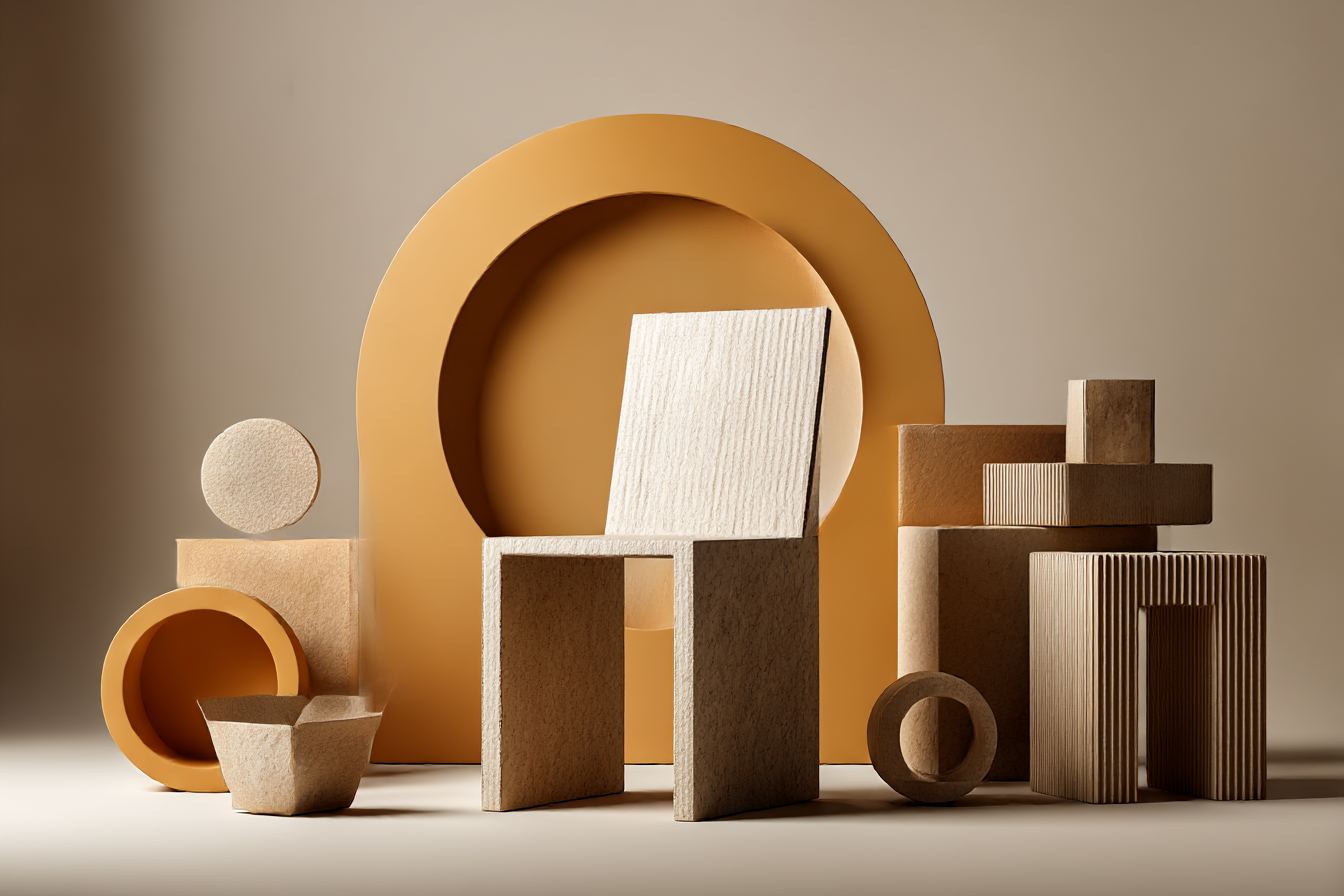
I stumbled across something completely unexpected last Tuesday while helping my neighbour Sarah clean out her garage before a big move. Buried behind paint cans and Christmas decorations, we found this sleek white chair that looked almost too modern for her usual taste. When I picked it up, expecting the typical weight of wood or metal furniture, it felt surprisingly light. That's when Sarah laughed and told me it was made entirely from cardboard.
My first thought? No way this thing would support my weight. I mean, we're talking about the same material that falls apart when it gets wet, right?
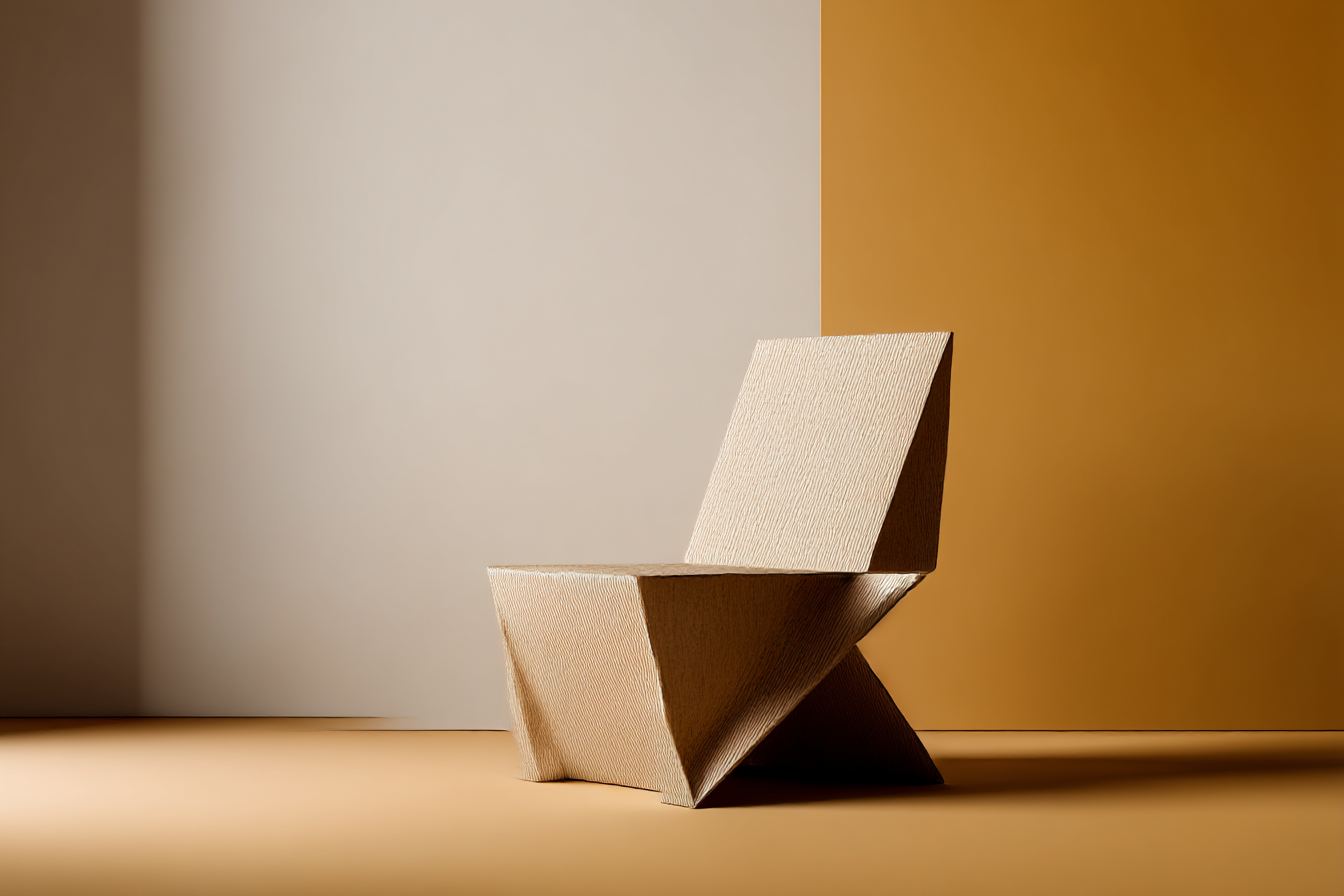
But Sarah insisted I sit down, and honestly, I was shocked. The chair held my 180 pounds without a creak, wobble, or any sign of stress. She'd bought it three years ago from some startup company and had completely forgotten about it until we unearthed it from storage.
This got me thinking about materials in ways I hadn't before. In my work focusing on climate-appropriate construction in the Southwest, I've always emphasized the importance of choosing materials that make sense for our environment. But I'd been so focused on traditional building materials that I'd overlooked some innovative alternatives right under my nose.
The cardboard chair experience sent me down a rabbit hole of research. Turns out, engineered cardboard furniture isn't just some gimmicky novelty item. Companies like Karton Group and Chairigami have been developing surprisingly sophisticated flat-pack designs that challenge everything I thought I knew about paper-based materials. We're not talking about the flimsy cardboard boxes that collapse when you look at them wrong. This is corrugated cardboard engineered with specific flute patterns, laminated layers, and strategic folding techniques that create genuine structural strength.
What really caught my attention was the sustainability angle. Here in Arizona, where we're constantly battling resource scarcity and waste management issues, the idea of furniture that's completely recyclable at end-of-life suddenly seems pretty brilliant. My usual recommendations for sustainable building materials often come with caveats about durability versus environmental impact, or performance versus recyclability. But cardboard furniture might actually solve some of these trade-offs.
I decided to test this myself, naturally. I ordered three different cardboard chair designs to see how they performed in real-world conditions. The first arrived as a completely flat package that weighed maybe five pounds. Following the assembly instructions felt like doing origami, but more satisfying. No tools required, no hardware to lose, just strategic folding and interlocking tabs. The whole process took about fifteen minutes.
The engineering behind these designs is genuinely impressive. The corrugated structure creates what's essentially a series of tiny I-beams, distributing weight across the entire surface rather than concentrating stress at specific points. Some designs use honeycomb core construction that rivals the strength-to-weight ratio of materials used in aerospace applications. I'm not exaggerating here. The honeycomb pattern creates incredible rigidity while using minimal material.
Testing these chairs in Arizona's climate presented unique challenges. Our extreme temperature swings, low humidity, and intense UV exposure can be brutal on materials. I set up one chair outside under my covered patio to see how it would handle indirect sunlight and temperature variations. After six months, it showed minimal degradation. The corners had softened slightly, and the colour had faded a bit, but structurally it remained solid.
The water issue, though, that's where cardboard furniture shows its limitations. I accidentally left one chair where my irrigation overspray could reach it during a particularly windy evening. By morning, the base had softened considerably. It didn't collapse, but it definitely lost some structural integrity. This isn't necessarily a deal-breaker, though. Most indoor furniture isn't designed to handle significant moisture exposure anyway.
You Might Also Like
What surprised me most was discovering how some designers are addressing the moisture vulnerability. Certain manufacturers apply water-resistant coatings that don't compromise recyclability but do provide protection against spills and humidity. Others use wax-based treatments that can be composted along with the cardboard when the furniture reaches end-of-life.
The flat-pack nature of these designs creates some interesting possibilities for our region. Shipping costs have always been a challenge for furniture in the Southwest, where we're often far from manufacturing centres. A cardboard chair that ships completely flat in a package the size of a large pizza box? That's a logistics game-changer. The carbon footprint reduction compared to shipping traditional furniture is substantial.
I started thinking about applications beyond just seating. Some companies are making entire desk systems, shelving units, even room dividers from engineered cardboard. For temporary housing situations, student housing, or even disaster relief scenarios, this could be incredibly valuable. The furniture can be manufactured locally using recycled content, assembled without special skills or tools, and completely recycled when no longer needed.
The design possibilities are fascinating too. Unlike traditional furniture materials that require specialized equipment and skills to shape, cardboard can be cut, folded, and formed using relatively simple tools. This opens up customization options that would be prohibitively expensive with wood or metal. Want a chair that perfectly fits your space or specific ergonomic needs? A local fabricator could potentially cut and score the pieces from your measurements.
I've been testing durability by using one of these chairs daily in my home office for eight months now. It's held up remarkably well considering I'm not exactly gentle with furniture. The edges show some wear, and there's a slight compression where I tend to shift my weight, but overall performance has exceeded my expectations. My cats, unfortunately, discovered that corrugated edges make excellent scratching surfaces, which might be a consideration for pet owners.
The aesthetics took some getting used to. I'll admit, my initial reaction was that cardboard furniture looked cheap or temporary. But some of the designs are genuinely elegant. Clean lines, interesting geometric patterns created by the corrugations, and the warm brown colour of natural kraft paper can actually work quite well in modern interiors.
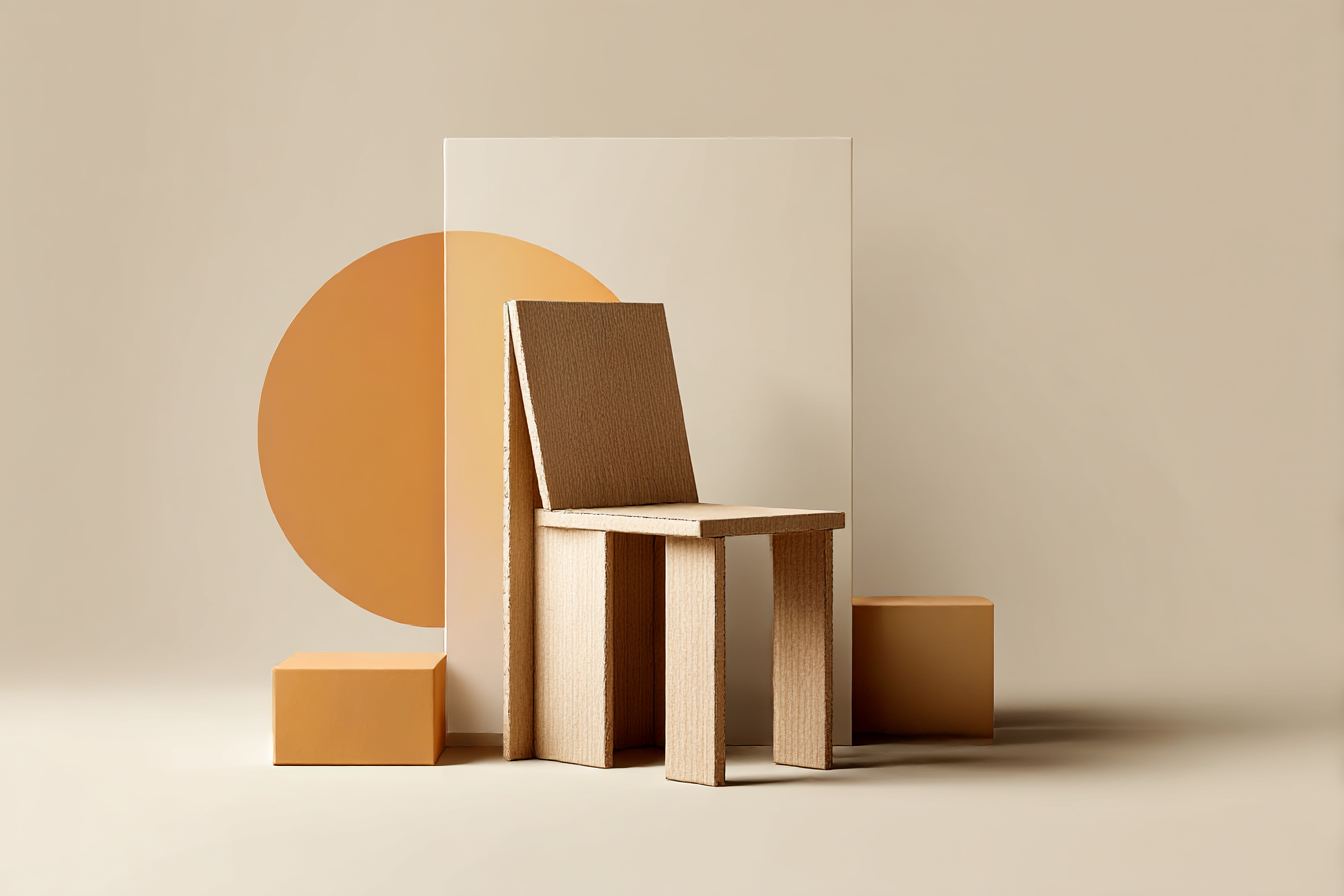
Some manufacturers offer colored options or printable surfaces for custom graphics.
Cost-wise, these chairs aren't necessarily cheaper than conventional alternatives, at least not initially. A well-designed cardboard chair might cost $80-120, which isn't dramatically different from decent traditional seating. But when you factor in shipping costs, assembly time, and end-of-life disposal, the economics start looking more favourable.
The real test will be long-term market acceptance. Americans have pretty specific expectations about furniture durability and prestige. Convincing people that cardboard can be a legitimate furniture material rather than just an emergency substitute requires changing some deeply held assumptions. But I've seen similar shifts happen with other materials in construction, and consumer attitudes can evolve faster than we expect.
For our climate and resource constraints in the Southwest, cardboard furniture represents an interesting option worth considering. It's not going to replace everything, but for specific applications where weight, shipping costs, and end-of-life recyclability matter more than absolute longevity, these designs offer genuine advantages. Sometimes the most innovative solutions come from completely rethinking material assumptions we didn't even realise we were making.