
Yesterday morning I found myself explaining to my neighbour why her beautiful sectional sofa was literally making her sick. She'd invited me over for coffee, and within five minutes I could smell it — that sweet, chemical odor that screams formaldehyde and VOCs. Her gorgeous cream-colored couch, purchased just three months ago from a major furniture chain, was off-gassing chemicals into her living room 24/7.
"But it's so comfortable," she protested, settling into the plush cushions. I didn't have the heart to tell her that comfort built on petroleum-based foam and synthetic fabrics treated with flame retardants wasn't worth the health risks. Instead, I started talking about alternatives that could give her the same luxury without turning her home into a chemistry experiment.
This conversation happens more often than you'd think. People invest thousands in furniture without considering what materials they're bringing into their homes, where they spend most of their time breathing.

The furniture industry has done an incredible job marketing comfort and style while staying remarkably quiet about the environmental and health impacts of conventional manufacturing.
When I first started researching sustainable furniture options for my own home, I was overwhelmed by the greenwashing. Every manufacturer seemed to have some version of "eco-friendly" or "natural" in their marketing, but digging deeper revealed the same old petroleum-based foams, particleboard frames held together with formaldehyde glue, and fabrics treated with stain-resistant chemicals that persist in the environment for decades.
Real sustainable seating starts with the frame. I learned this the hard way when a "solid wood" sofa I bought turned out to be particleboard with a thin wood veneer. Within two years, the frame was sagging and creaking. Actual sustainable frames use certified sustainable hardwoods, reclaimed timber, or bamboo — materials that can handle decades of use without degrading. My current living room centerpiece is built on a maple frame from Forest Stewardship Council certified forests. That maple will outlast me.
The difference in construction quality between sustainable and conventional furniture is honestly shocking. Last month, I helped a friend move her five-year-old sectional, and we could actually see the particleboard frame crumbling where the hardware attached. Meanwhile, the reclaimed oak coffee table I built seven years ago still looks and feels like new. You get what you pay for, but more importantly, you get furniture that doesn't need replacing every few years.
Cushion filling presents another major decision point. Conventional sofas stuff petroleum-based polyurethane foam wrapped in polyester batting, then treat everything with flame retardants that have been linked to hormone disruption and developmental issues. Natural alternatives include organic latex (from rubber trees), wool batting, and even recycled materials like shredded denim or plastic bottles. I chose organic latex for my sectional, and the support is incredible — it maintains its shape without the gradual compression that makes conventional foam sofas feel like marshmallows after a couple years.
The upholstery choice matters enormously, both environmentally and for indoor air quality. Conventional furniture fabrics are often treated with stain-resistant chemicals, antimicrobial agents, and dyes that can off-gas for months. Organic cotton, linen, hemp, and wool provide beautiful alternatives that actually improve with age. My sofa is upholstered in organic cotton canvas that's developed this gorgeous patina over the years — something you'll never get with synthetic microfiber.
Here's what surprised me about natural fabrics: they're actually more durable than many synthetic options. The hemp fabric on my dining chairs has survived six years of daily use, spilled wine, and my cats' claws without showing significant wear. Compare that to the synthetic fabric on my parents' recliner, which started pilling and fading within eighteen months.
You Might Also Like

Shopping for sustainable seating requires patience and research. Most mainstream furniture stores don't carry truly sustainable options, so you'll likely need to work with specialty retailers or custom furniture makers. I found my current pieces through a combination of online research and visiting local craftspeople. The process took months instead of weeks, but the result is furniture I genuinely love living with.
Cost becomes a real consideration. Sustainable sofas typically cost more upfront than conventional alternatives, but the economics shift when you factor in longevity. My sustainable sectional cost about 40% more than a comparable conventional piece, but it's already outlasted two conventional sofas my friends bought around the same time. Over a ten-year period, the sustainable option actually costs less while providing better comfort and eliminating health concerns.
Some manufacturers are making genuine improvements. I've tested pieces from companies using recycled aluminium frames, organic latex cushioning, and low-impact natural dyes. The quality has improved dramatically over the past five years as consumer demand increases. However, you still need to read beyond marketing copy and verify actual material specifications.
Regional craftspeople often provide the best combination of sustainability and customization. The maker who built my dining set uses locally sourced woods, water-based finishes, and traditional joinery techniques that eliminate the need for toxic adhesives. Working with local craftspeople also reduces transportation impacts and supports community businesses.
Maintenance matters with sustainable furniture, though it's usually simpler than caring for synthetic materials. Natural fabrics can often be spot-cleaned with mild soap and water, while organic latex cushions maintain their shape without fluffing. My hemp upholstery actually looks better now than when it was new — the fibres have relaxed into a softer texture while maintaining their structural integrity.
The indoor air quality improvement from switching to sustainable furniture is noticeable.
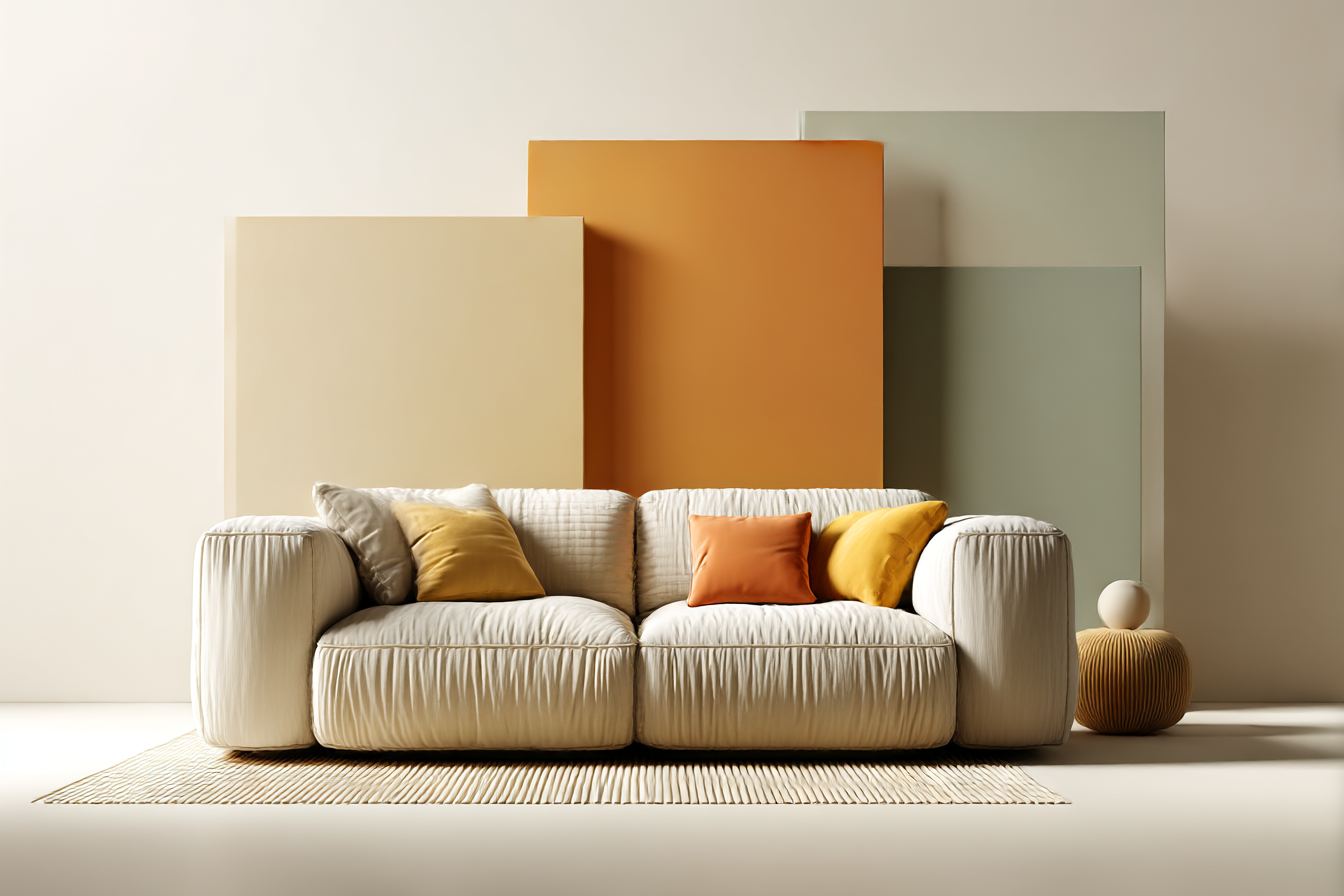
Within weeks of replacing my conventional sectional, the persistent chemical smell in my living room disappeared. Guests regularly comment on how fresh and clean my home smells, which I attribute partly to eliminating off-gassing furniture.
For budget-conscious buyers, consider purchasing fewer, higher-quality pieces rather than filling your space with inexpensive conventional furniture. One well-built sustainable sofa serves better than a matching set of particleboard furniture that needs replacing every few years. I've also found excellent deals on floor models and custom pieces with minor imperfections.
The sustainable furniture market continues evolving as manufacturers respond to growing consumer awareness. New materials like mushroom-based leather alternatives and agricultural waste composites offer promising options for environmentally conscious consumers. However, proven natural materials like organic cotton, wool, and sustainably harvested wood remain the safest choices for long-term satisfaction.
My neighbour ended up ordering a custom sofa with an FSC-certified maple frame, organic latex cushions, and organic cotton upholstery. The wait time was eight weeks versus next-day delivery for conventional alternatives, but she's creating a living space that supports rather than compromises her family's health. That's worth waiting for.