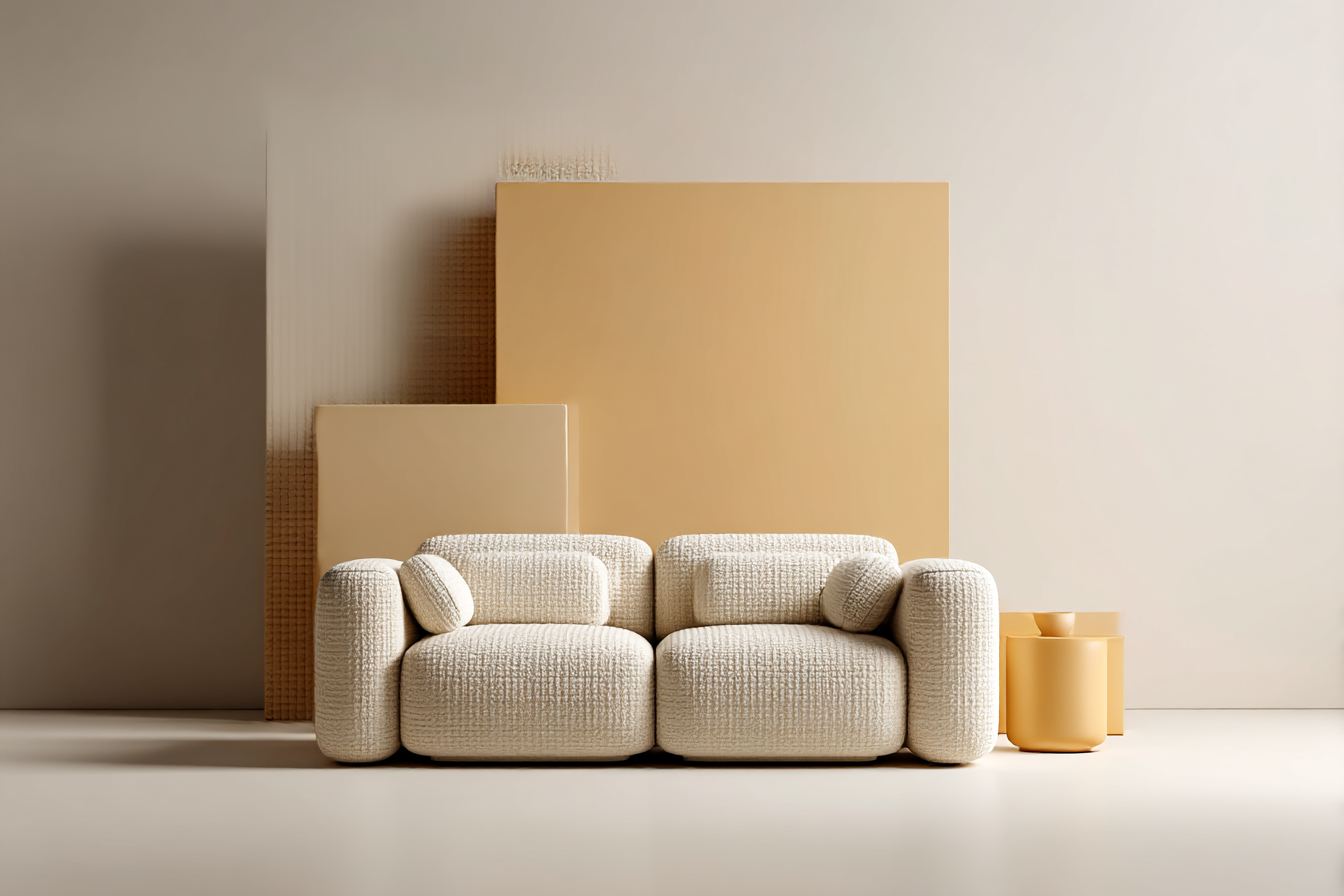
I was sitting in my living room last month, looking at our beat-up couch that's survived three moves and countless Arizona summers, when my neighbour Sarah mentioned she was finally ready to reupholster her dining chairs. "I want something eco-friendly," she said, "but I don't even know where to start." That got me thinking about sustainable upholstery choices, which honestly hadn't been on my radar until recently.
You know how it is with furniture – you buy something, live with it for years, then suddenly notice it's falling apart. Sarah's chairs were gorgeous mid-century pieces she'd inherited from her grandmother, but the vinyl seats were cracked and peeling. She could've just grabbed whatever fabric looked nice at the upholstery shop, but she'd been reading about indoor air quality and chemical treatments in textiles. Smart woman.
I started digging into sustainable upholstery options because, well, that's what I do. Plus my own furniture situation was becoming impossible to ignore. What I found surprised me – there are actually some fantastic eco-friendly fabric choices out there, but like everything else in the green building world, you've got to know what you're looking for.
Organic cotton turned out to be the gateway drug into sustainable upholstery fabrics.
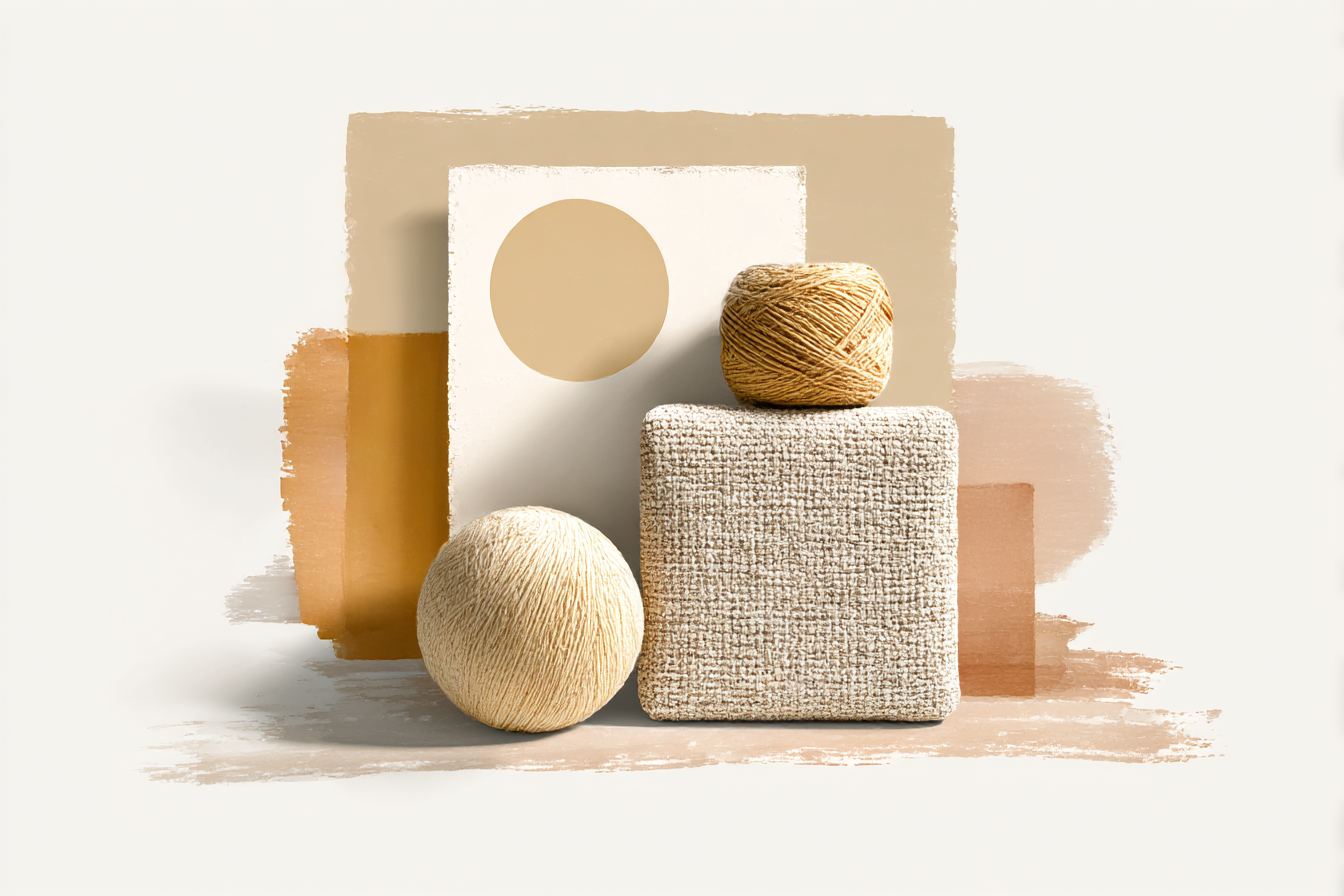
I mean, it makes sense – regular cotton production uses massive amounts of pesticides and water, so organic versions eliminate those chemicals while still giving you that familiar cotton feel. Sarah ended up choosing an organic cotton canvas for her dining chairs, and six months later, it's holding up beautifully. The texture's slightly different from conventional cotton – a little more irregular, which I actually prefer. Feels more… alive, I guess.
But organic cotton's just the beginning. Hemp fabric completely changed my perspective on what upholstery could be. I'd always associated hemp with rough, scratchy material (thanks, 1990s stereotypes), but modern hemp textiles are surprisingly soft and durable. My friend Jake used hemp-cotton blend fabric for his sectional sofa, and that thing's been through everything – kids, pets, movie nights with questionable snack choices. Still looks great.
Hemp's environmental credentials are pretty impressive too. The plant grows fast, doesn't need much water, and actually improves soil health. Plus it's naturally resistant to mold and UV damage, which matters here in the Southwest where furniture gets punished by intense sunlight streaming through windows.
Then there's linen, which I'd never considered for upholstery until I saw it done right. Real linen – not the polyester stuff that pretends to be linen – comes from flax plants and has this wonderful, lived-in texture. My sister used Belgian linen for her accent chairs, and while it wrinkles easily (which drives some people crazy), I love how relaxed and natural it looks. Linen's also surprisingly durable when it's good quality, though you'll pay for that quality.
The processing question keeps coming up with these natural fibres. You can find organic cotton that's been treated with harsh chemicals during manufacturing, which kind of defeats the purpose. I learned to look for fabrics processed with low-impact dyes and minimal chemical treatments. GOTS certification (Global Organic Textile Standard) became my friend – it covers the whole supply chain, not just the raw materials.
Recycled polyester threw me for a loop initially. Polyester's synthetic, which feels wrong when you're going for sustainable options, but recycled polyester made from plastic bottles or textile waste? That's actually pretty clever resource use. The performance characteristics are excellent – stain resistant, colorfast, durable. My main hesitation is that it's still plastic, so it doesn't breathe like natural fibres, and eventually it'll end up in landfills anyway.
You Might Also Like

I tested some recycled polyester upholstery fabric on a small ottoman to see how it performed in real conditions. After a year, it still looks new, cleans easily, and hasn't faded despite sitting near a west-facing window. But sitting on it during summer? Not great. It doesn't breathe, so it gets warm and slightly sticky. For accent pieces or dining chairs where you're not lounging for hours, it works fine. For sofas or recliners, I'd choose natural fibres every time.
Wool deserves special mention, though it's trickier in hot climates like ours. Wool upholstery is naturally flame-resistant (huge advantage since it doesn't need chemical flame retardants), resists stains, and regulates temperature. But wool furniture in Phoenix? Most of the year, you're not touching it. I've seen wool work beautifully in mountain towns like Flagstaff where summer temperatures stay reasonable, but down here in the desert, it's not practical for most applications.
The flame retardant issue keeps coming up because furniture regulations require certain flame resistance standards. Conventional upholstery often uses chemical flame retardants that off-gas into your indoor air. Natural options include wool (which is inherently flame-resistant) or fabrics treated with safer alternatives like boric acid-based treatments. Sarah's upholsterer actually recommended using a natural latex foam cushion insert instead of conventional foam to avoid flame retardant chemicals entirely.
Durability became my obsession because what's the point of choosing sustainable materials if they don't last? I started looking at fabric weights, weave patterns, and fibre lengths. Generally, heavier fabrics (12+ ounces per square yard) hold up better for upholstery. Tight weaves resist wear better than loose ones. Longer fibre lengths create stronger, more durable fabric.
Colour choices matter more than I expected. Natural dyes and low-impact synthetic dyes cost more but don't fade as quickly in our intense sunlight. I learned this the hard way with some beautiful indigo-dyed organic cotton that turned an unfortunate grey-blue after six months near a south-facing window.
Now I ask specifically about colorfastness and UV resistance, especially for furniture that'll get any sun exposure.
The local availability question surprised me. I expected to order everything online, but several upholstery shops here in Phoenix actually stock sustainable fabric options. Turns out there's enough demand that it makes business sense. Sarah found her organic cotton locally, and the shop owner was knowledgeable about the environmental benefits and performance characteristics.
Cost-wise, sustainable upholstery fabrics typically run 20-50% more than conventional options, but the durability often justifies the premium. My hemp-blend fabric has outlasted two conventional fabric pieces on other furniture, so the cost per year of use actually worked out better.
What I've learned is that choosing eco-friendly upholstery fabrics isn't just about environmental virtue signaling – these materials often perform better, last longer, and create healthier indoor environments. The key is understanding what you're buying, asking the right questions about processing and treatments, and choosing fabrics appropriate for your specific use and climate.
Sarah's dining chairs look fantastic two years later, and every time I sit in them, I'm reminded that sustainable choices don't require sacrificing style or comfort. Sometimes they actually deliver better results than conventional alternatives. You just need to know what to look for.