My sister called me last Tuesday, completely frazzled. She's expecting her first baby in about three months and had just spent the weekend furniture shopping in Manchester. "Everything's either ridiculously expensive or looks like it'll fall apart in six months," she said. "And I keep reading about formaldehyde and VOCs in baby furniture, but I have no idea what that actually means for my kid."
I get it. When you're building performance focused like I am, you develop this weird sixth sense about materials and construction quality. Walking through a typical furniture showroom feels like being in a field of red flags. Particleboard wrapped in plastic laminate, chemical finishes that'll off-gas for months, joints held together with nothing but hope and industrial adhesive. It's the furniture equivalent of those terrible Phoenix tract homes I used to see built with no regard for climate or longevity.
But here's what I've learned from helping several friends and family members navigate this exact situation: Britain actually has some fantastic options for genuinely sustainable, well-made nursery furniture.
You just need to know where to look and what questions to ask.
My sister's panic shopping trip reminded me of when I helped my neighbour Sarah set up her nursery two years ago. Sarah's one of those people who researches everything to death, which I appreciate. She'd compiled this massive spreadsheet of British furniture makers, certifications, and materials. What struck me was how many quality options existed that most parents never hear about because they're not advertised on every parenting blog.
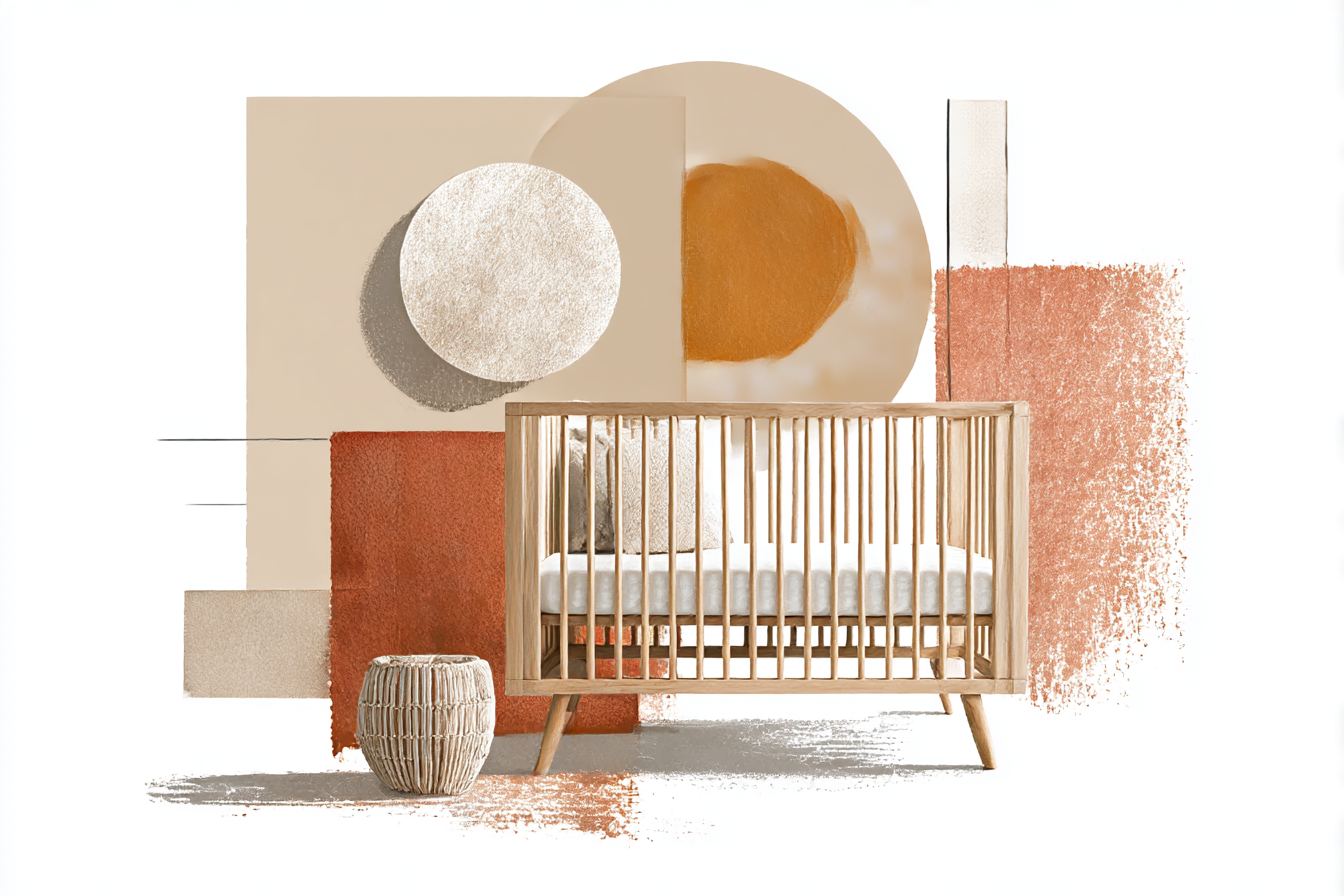
Take Natural Baby, for instance. They're based in Devon and make solid wood cribs using traditional joinery methods. No particleboard, no formaldehyde-based adhesives. When I examined one of their pieces at Sarah's house, the construction reminded me of old-school cabinet making. Proper mortise and tenon joints, hand-sanded surfaces, finishes you could actually identify by name. The crib cost about £400, which sounds expensive until you realise most mass-market cribs in that price range are basically compressed sawdust held together with chemicals.
The certification thing is where it gets interesting, though. Everyone talks about "eco-friendly" baby furniture, but what does that actually mean? I've seen pieces marketed as "natural" that are loaded with synthetic finishes, and furniture claiming to be "non-toxic" that off-gasses for weeks after delivery.
FSC certification is probably the most reliable starting point. The Forest Stewardship Council actually audits their supply chains, so when you see that label, the wood genuinely came from responsibly managed forests. Greenguard certification goes further by testing for chemical emissions. I helped my cousin Emma pick out a dresser from Boori that had both certifications. Six months later, her nursery still smells like… well, nothing. Which is exactly what you want.
Speaking of Boori, they're interesting because they manufacture some pieces in the UK using European materials. Their Sleigh Collection caught my attention because they use solid beech throughout. Beech is brilliant for furniture because it's naturally antimicrobial and incredibly durable. My grandmother had beech kitchen cabinets that looked perfect after thirty years of daily use.
But here's where my building science background comes in handy: the finish matters as much as the wood itself. I've tested various furniture finishes with VOC metres (yeah, I'm that person who brings air quality instruments to furniture stores). Most conventional finishes will spike readings for weeks. Natural oil finishes like those used by many UK makers barely register at all.
You Might Also Like
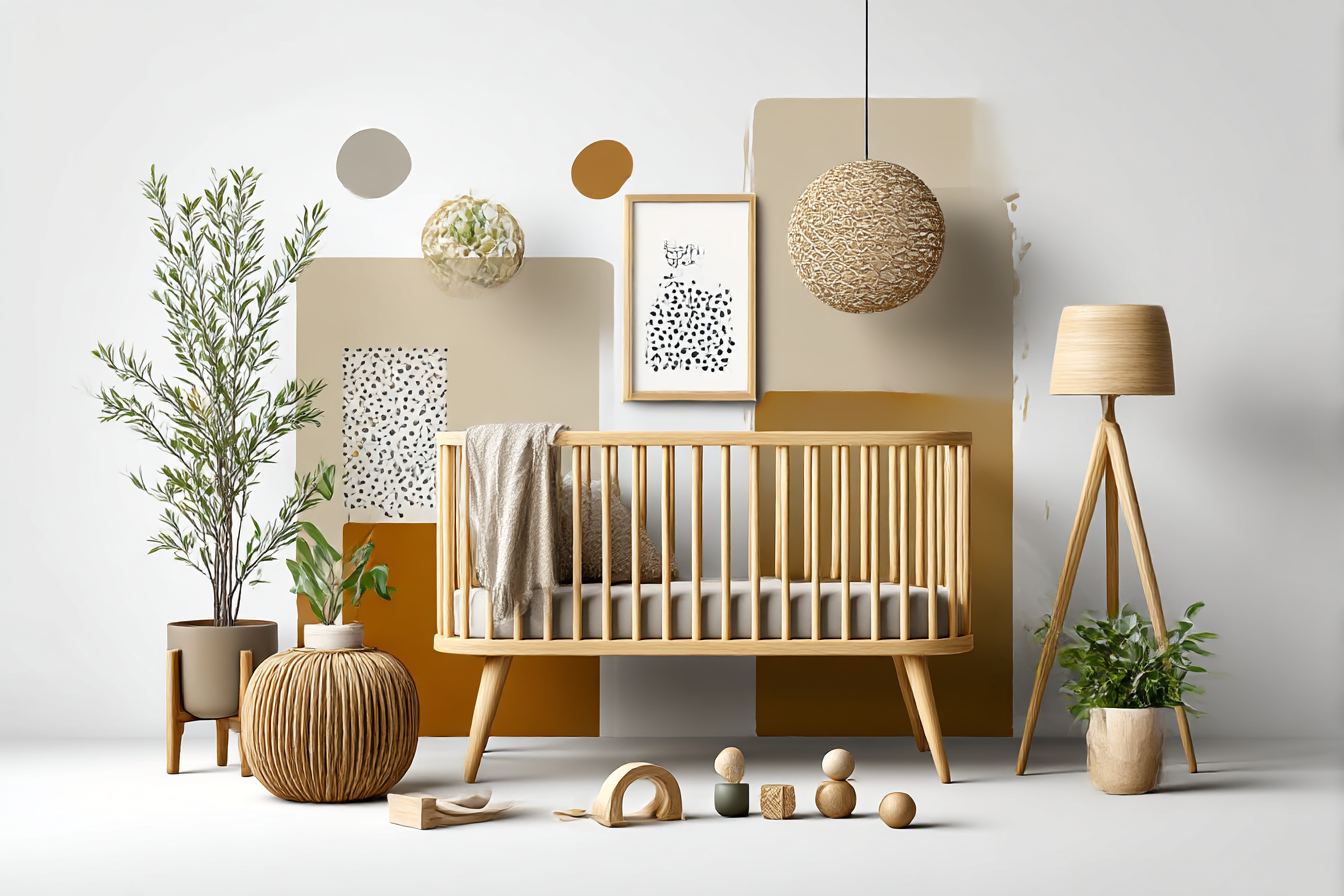
Stokke caught my eye during research because their Norwegian-designed pieces are manufactured using British wood from certified sustainable forests. Their Tripp Trapp chair system is engineered to last literally decades. I know adults who still use chairs their parents bought for them as toddlers. From a lifecycle perspective, buying one well-made piece that lasts twenty years beats buying three cheap replacements every five years.
The local sourcing angle is huge, too. Cambridge Baby stocks pieces from multiple British makers, including some smaller workshops that don't have national distribution. What I love about working with regional suppliers is the transparency. You can actually visit workshops, meet the people making your furniture, understand their materials and processes. Try doing that with mass-market imports.
One workshop that really impressed me is Northcote Pottery in Lancashire. They make changing tables and toy storage using locally sourced oak and ash. The owner, David, showed me their finishing process when I visited last year. They use hard wax oil finishes that penetrate the wood rather than sitting on the surface. The result feels more like well-aged wood than furniture, and the durability is exceptional.
Pricing is always the elephant in the room, right? Quality sustainable furniture costs more upfront. There's no getting around that. But when I break down the numbers for people, the math often works out better than expected. A well-made crib that converts to a toddler bed and eventually a daybed might cost £600. Sounds expensive. But you're buying three pieces of furniture that'll last fifteen years. That's £40 per year, or about £3 monthly. Most people spend more than that on coffee.
The resale value thing is real, too. Quality British-made furniture holds its value incredibly well. Sarah sold her Natural Baby crib for 70% of what she paid after her daughter outgrew it. Try getting that return on particleboard furniture from a big box store.
What really bothers me is how difficult it is to find honest information about furniture materials and construction. Marketing copy is full of meaningless terms like "eco-conscious" and "responsibly sourced" without any specifics. When I'm evaluating pieces for clients, I ask direct questions: What species of wood? Where was it harvested? What adhesives were used? What's the finish composition? Reputable makers can answer these questions immediately. Others… well, you get a lot of confused stares.
The delivery and assembly experience varies dramatically, too. Smaller British makers often offer white-glove delivery and will actually assemble pieces properly. Mass-market retailers dump flat-pack boxes on your doorstep and wish you luck. Having helped friends with both scenarios, the difference in stress levels is remarkable.
My advice? Start by visiting Cambridge Baby or Natural Baby's showrooms if you can. Handle the furniture yourself.
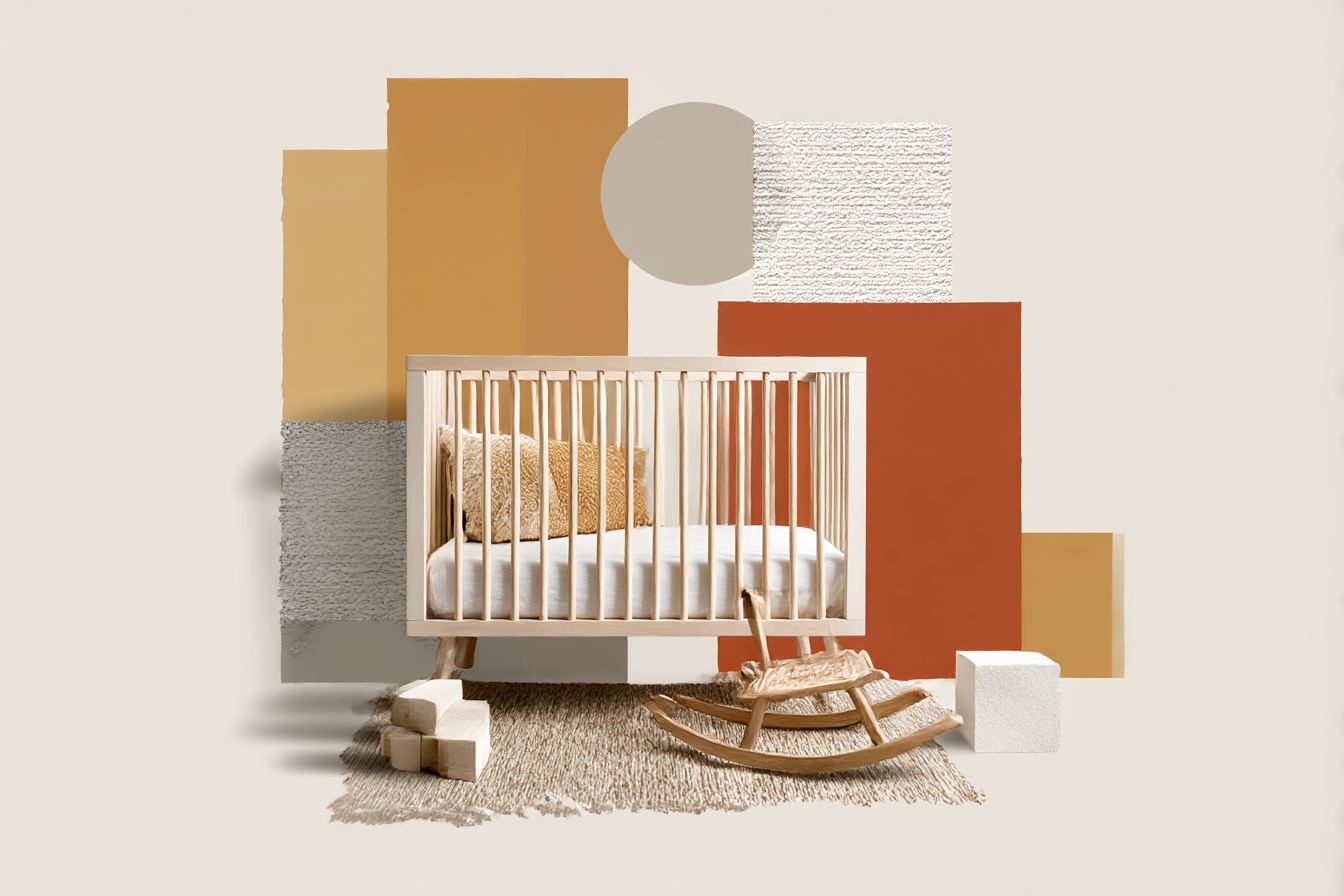
Quality is immediately obvious when you touch properly made pieces. The joints feel solid, surfaces are smooth, everything fits together precisely. Then compare that to typical retail furniture. The difference is striking.
For parents concerned about chemicals and indoor air quality, look for Greenguard Gold certification and natural finishes. Ask about adhesives and avoid anything with formaldehyde-based glues. If a retailer can't tell you what finish was used, shop elsewhere.
British nursery furniture might cost more initially, but you're buying pieces that'll last through multiple children and maintain their value. Sometimes the best choice for your baby's health and your family's budget is the same thing. You just need to know where to look.