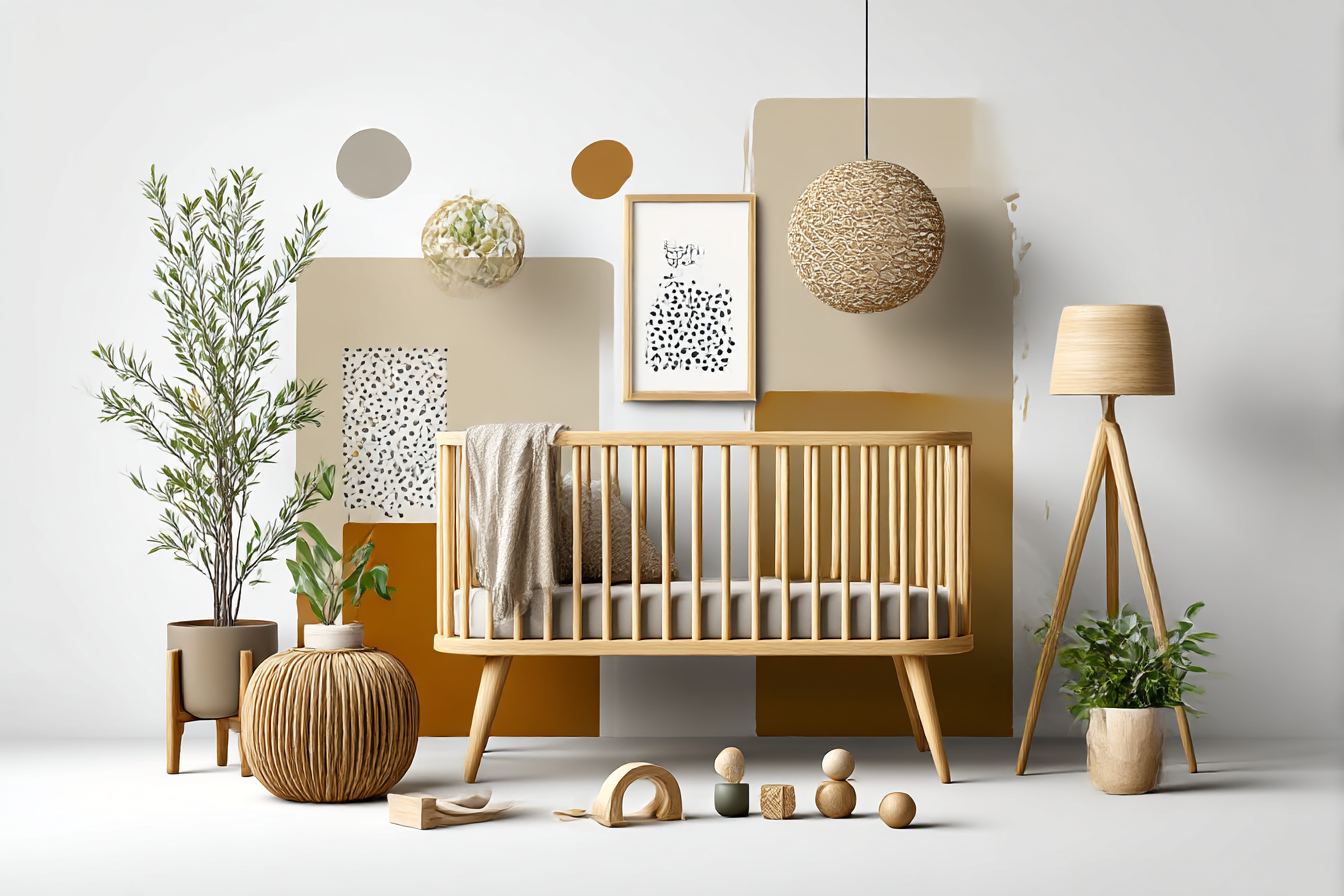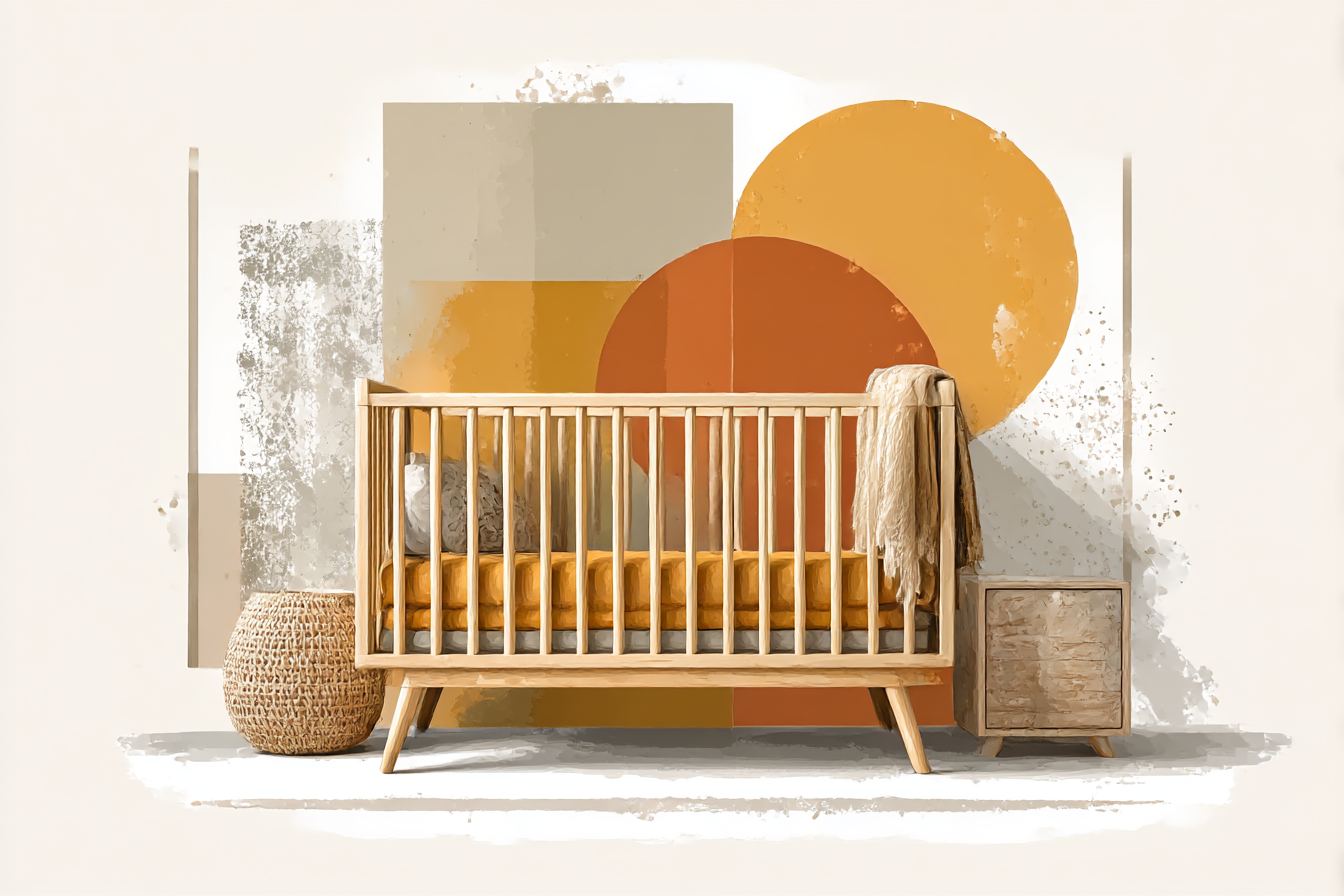
My neighbour Sarah called me in a panic last month. Her sister's baby was arriving three weeks early, and she'd volunteered to help set up the nursery. The problem? She'd been researching sustainable furniture options for months but kept hitting walls. "Everything I find is either shipped from halfway around the world, costs more than my car, or looks like it belongs in a commune," she said, laughing nervously. I get it – finding truly eco-friendly baby furniture in Canada that doesn't break the bank or your design aesthetic feels impossible sometimes.
You know what's funny? I've spent years obsessing over building materials and their environmental impact, but it wasn't until Sarah's call that I really dove into the baby furniture world.

Holy cow, what a mess. The amount of greenwashing in this industry is staggering. Companies slap "eco-friendly" labels on particleboard furniture finished with who-knows-what chemicals, then charge premium prices because parents desperately want what's best for their babies.
But here's the thing – Canada actually has some incredible options if you know where to look. I spent the next two weeks helping Sarah research, and honestly, I learned more about sustainable nursery furniture than I ever expected to. The Canadian furniture industry has some real gems, especially when it comes to solid wood pieces made right here in North America.
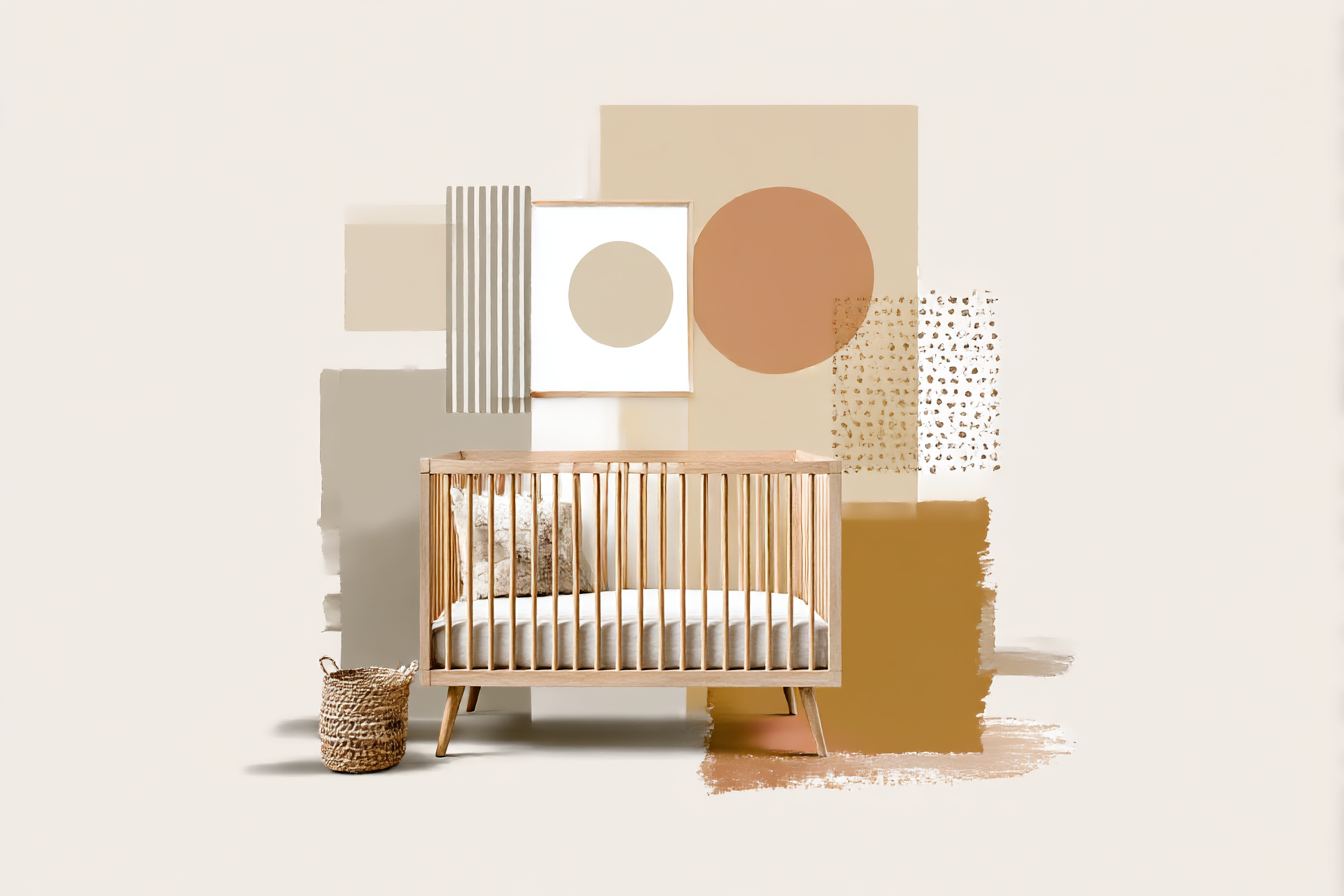
Take Nest Designs, for example. They're based in British Columbia, and their stuff is gorgeous. Real hardwood construction, non-toxic finishes, and they source their materials from sustainably managed Canadian forests. I was skeptical at first (aren't we all after seeing so many "eco-friendly" claims?), but their transparency impressed me. They actually list their finish ingredients and certification details right on their website. Their convertible cribs run around $800-1200, which isn't cheap, but considering these pieces convert from crib to toddler bed to full-size bed, the cost per year of use becomes pretty reasonable.
What really sold me on them was talking to their customer service. I called with about fifteen technical questions about their finishes and construction methods. Instead of getting brushed off, I ended up talking to one of their production managers for thirty minutes. He knew exactly what VOCs were, could explain their drying and curing processes, and even sent me test results for their finish formulations. That's the kind of transparency you rarely see.
Quebec has some amazing options too. Natart Juvenile makes solid wood furniture that meets Canadian safety standards while using responsible forestry practices. Their pieces have this clean, modern look that doesn't scream "baby furniture." I particularly love their modular approach – you can start with basic pieces and add components as your child grows. Smart design and sustainable thinking rolled into one.
The delivery time thing used to drive me crazy. You'd find the perfect piece, then discover it ships from Oregon or North Carolina and takes twelve weeks to arrive. But more Canadian retailers are stepping up their game. Snuggle Bugz has distribution centres across the country and can get most sustainable pieces to you within 2-3 weeks. West Coast Kids has been expanding their eco-friendly selections and often stocks popular items locally.
Here's something I learned that totally changed my approach – buying vintage or antique solid wood pieces and having them refinished with modern, non-toxic finishes. Sarah found this gorgeous 1960s solid maple dresser at an estate sale for $150. We had it stripped and refinished with Osmo PolyX oil (plant-based, zero VOC) for another $200. The result? A piece that'll outlast anything made today, looks absolutely stunning, and cost less than half what a comparable new piece would run.
You Might Also Like
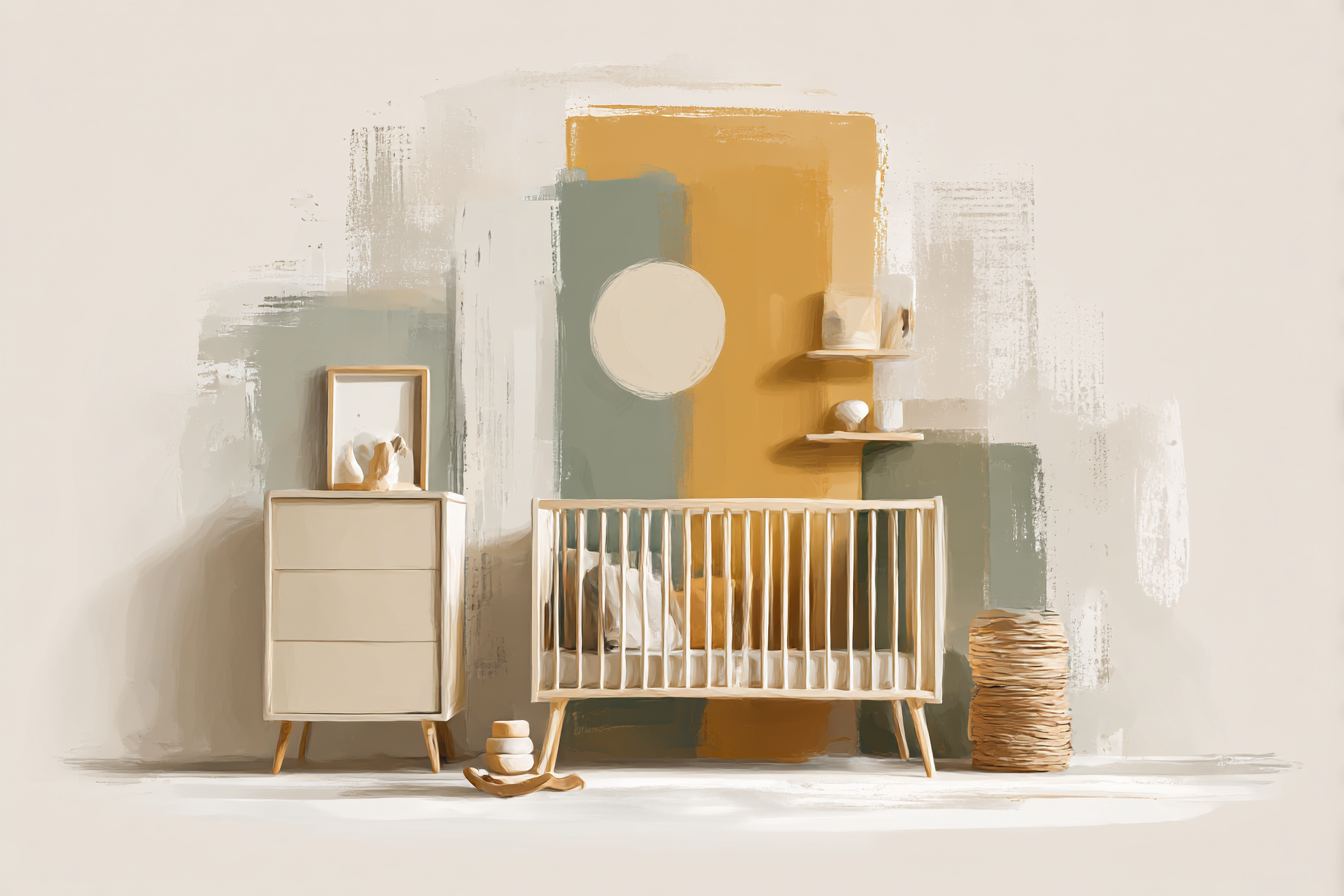
Of course, refinishing isn't for everyone. You need time, the right contractor, and honestly, some pieces aren't worth saving. But for solid wood furniture with good bones, it's an incredible option. Plus, there's something satisfying about giving a quality piece new life instead of sending it to a landfill.
Safety standards in Canada are no joke, by the way. Health Canada's requirements for children's furniture are actually stricter than US standards in several areas. Any reputable Canadian retailer selling baby furniture has to meet these requirements, which gives you some baseline confidence. But don't let that make you complacent – still read the fine print on finishes and materials.
The local maker scene has exploded in the past few years. I found at least six craftspeople within driving distance of Toronto making custom nursery furniture from locally sourced hardwoods. Their prices aren't necessarily lower than commercial options, but the quality is often exceptional, and you can customize exactly what you need. Plus, supporting local craftspeople feels good, you know?
One thing that surprised me – the used market for high-end eco-friendly baby furniture is actually pretty robust. Parents invest in these expensive sustainable pieces, use them for a few years, then want to recoup some cost. Facebook Marketplace and Kijiji have legitimate gems if you're patient. Sarah ended up finding a barely used Nest Designs changing table for $300 (retail $650) from a family in Oakville.
The mattress situation deserves its own conversation. Organic cotton, natural latex, certifications galore – it's overwhelming. But here's what matters: look for CertiPUR-US or similar certifications that guarantee no harmful chemicals, and don't get too caught up in the "organic" marketing unless you're willing to pay significantly more for potentially marginal benefits. Naturepedic makes excellent options available through Canadian retailers, and their construction quality is solid.
Storage solutions matter more than you'd think. Babies generate an insane amount of stuff, and poorly designed storage means you'll be buying additional furniture later. Look for pieces with deep drawers, adjustable shelving, and sturdy construction. That $400 dresser that falls apart after two years isn't sustainable no matter what the marketing says.
Regional differences across Canada affect availability and pricing. Vancouver and Toronto have the most options but also the highest prices.
Prairie provinces often have longer shipping times but sometimes better pricing through online retailers. Atlantic Canada has fewer local options but some surprising finds at maritime antique shops.
The bottom line? Sustainable baby furniture in Canada requires research and patience, but the options exist. Focus on solid construction, verified non-toxic finishes, and companies with transparent practices. Don't get seduced by marketing speak – ask specific questions about materials, finishes, and sourcing. And remember, the most sustainable furniture is the stuff that lasts long enough to hand down to the next generation.
Sarah's nursery turned out beautifully, by the way. Her nephew is now crawling around on floors protected by furniture that'll still be functional when he's ready for his own kids someday. That's sustainability that actually matters.