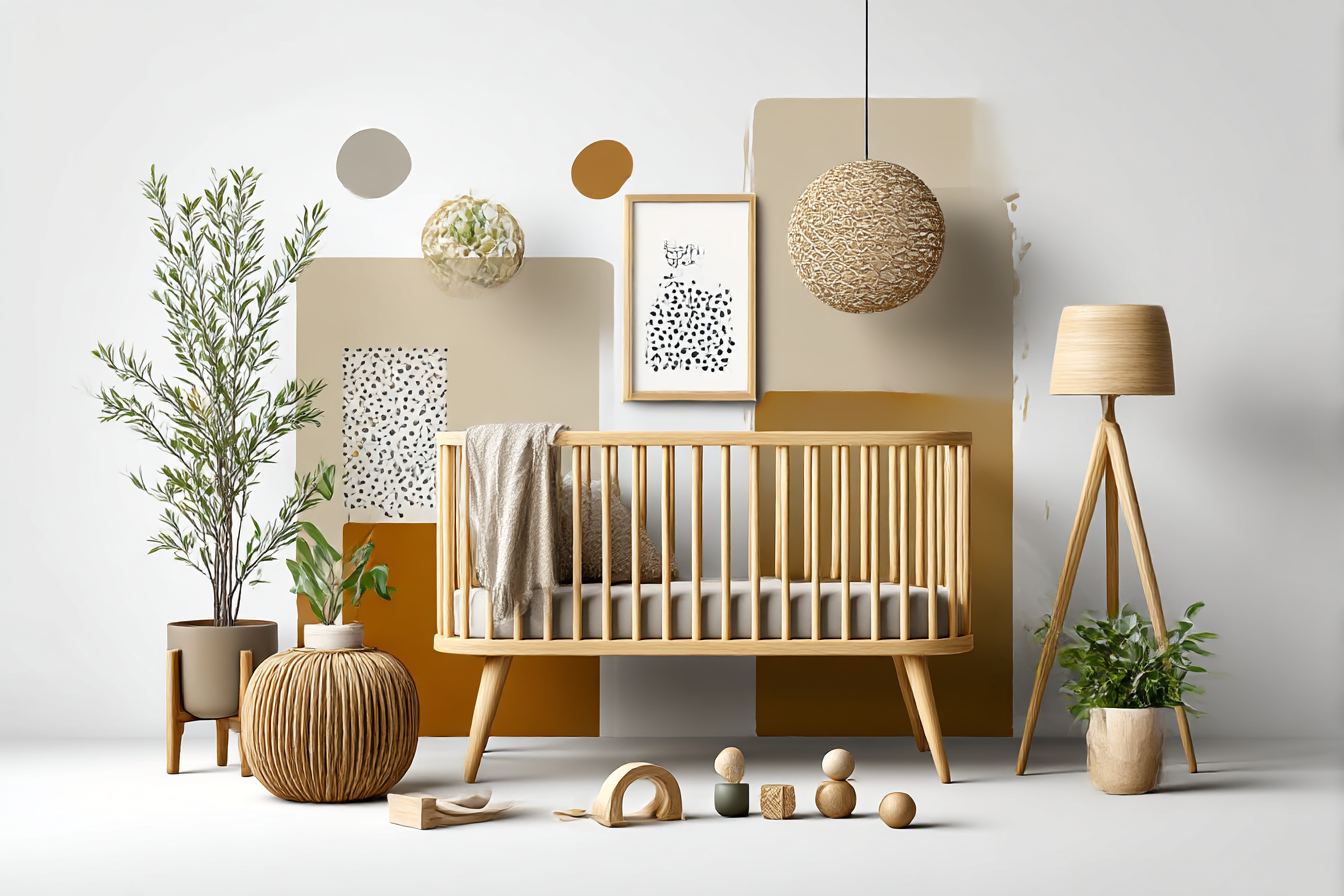
You know what's fascinating? I never expected to become someone who cares deeply about baby furniture, but life has a funny way of throwing curveballs at you. My neighbour's daughter recently had her first child, and watching her navigate the overwhelming world of nursery preparation got me thinking about how building materials and furniture choices affect our most vulnerable family members.
It started when she asked me to help her research cribs. She'd been scrolling through endless online catalogues, getting more confused by the minute. "Everything looks the same," she said, frustrated. "How am I supposed to know what's actually safe and healthy for my baby?" That question sent me down a rabbit hole I wasn't expecting.
I mean, I spend my days analyzing building materials for climate appropriateness and performance, but I'd never really considered how those same principles apply to the tiny furniture that surrounds our infants. Babies spend enormous amounts of time in their cribs, touching surfaces, breathing whatever's off-gassing from finishes and adhesives. When you think about it that way, choosing nursery furniture becomes just as critical as selecting appropriate building materials for your home's envelope.
The first thing I discovered?
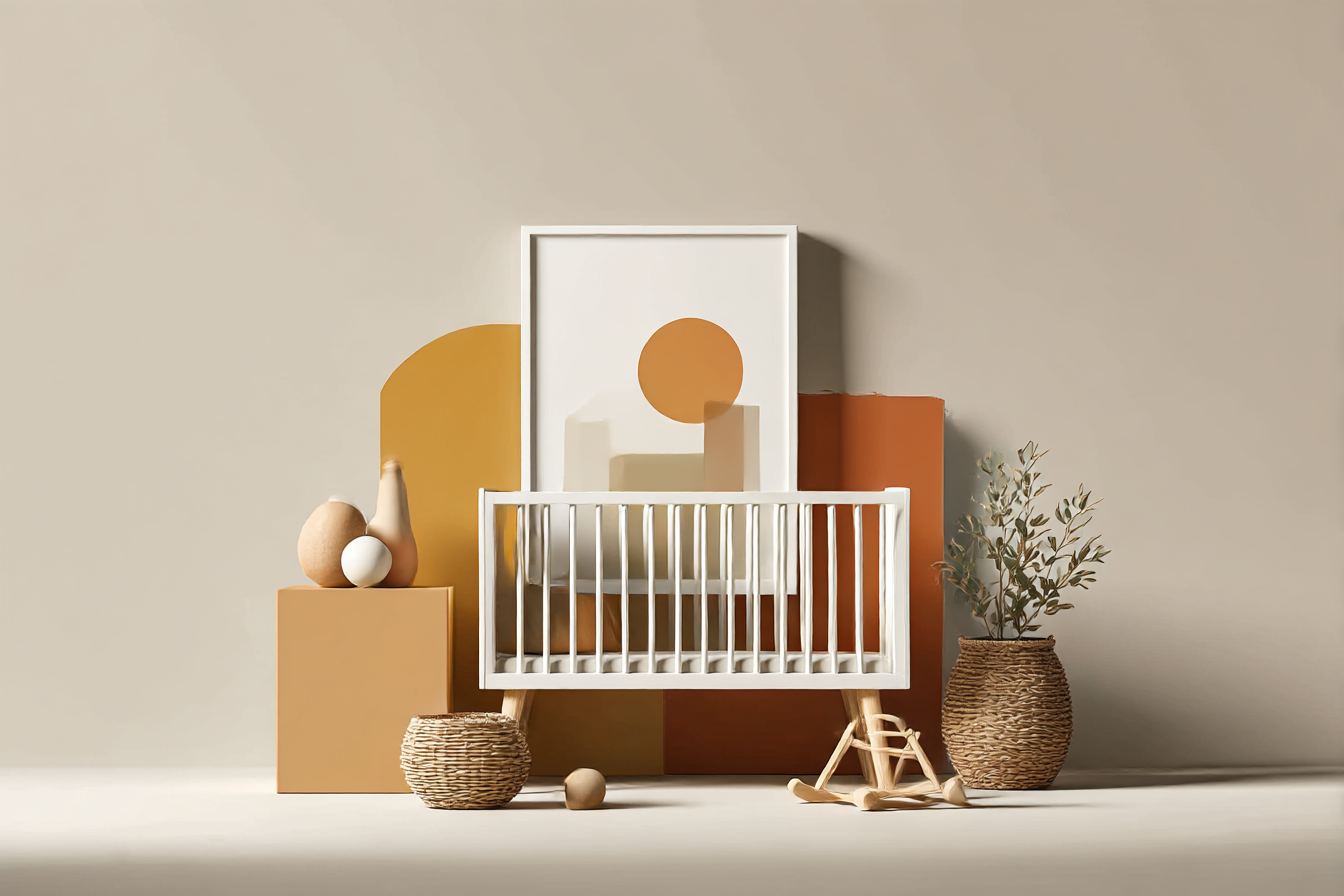
Australia actually has some incredible furniture makers who prioritize both environmental sustainability and child safety. Companies like Boori have been crafting solid wood cribs in Adelaide for decades, using Australian plantation timber and water-based, non-toxic finishes. Their manufacturing process reminds me of the thoughtful material selection I advocate for in building construction – choosing resources that perform well long-term while minimizing environmental impact.
What really impressed me was learning about Mocka's approach to sustainable manufacturing. They've committed to using only certified sustainable timber and have eliminated formaldehyde from their entire production process. Formaldehyde, by the way, is one of those chemicals that makes me crazy when I see it in building materials – it off-gases for years, contributing to poor indoor air quality. Finding furniture manufacturers who've proactively eliminated it from baby products shows the kind of forward-thinking I wish more industries would embrace.
But here's where it gets interesting from a building performance perspective. Traditional nursery furniture often prioritizes appearance over longevity, using particleboard with veneer surfaces that look nice initially but deteriorate quickly. Australian manufacturers like Babyhood have instead focused on solid timber construction that actually improves with age. Their pieces are designed to transition from nursery furniture to regular bedroom furniture as children grow – exactly the kind of lifecycle thinking I apply to building material selection.
I spent an afternoon visiting a local showroom that featured exclusively Australian-made pieces, and the difference in construction quality was immediately obvious. The joinery techniques, the weight and stability of the pieces, even the way drawers operated – everything felt more substantial. It's like comparing a well-built house with proper framing and quality materials to one of those tract homes thrown together with the cheapest components available.
The environmental benefits of choosing locally manufactured furniture extend beyond just material selection, though. Transportation impacts are significant when you're shipping heavy furniture internationally. A crib manufactured in Melbourne and sold in Brisbane has a dramatically smaller carbon footprint than one made overseas and shipped across oceans. Plus, supporting domestic manufacturers helps maintain the skills and infrastructure that allow quality production to continue.
You Might Also Like
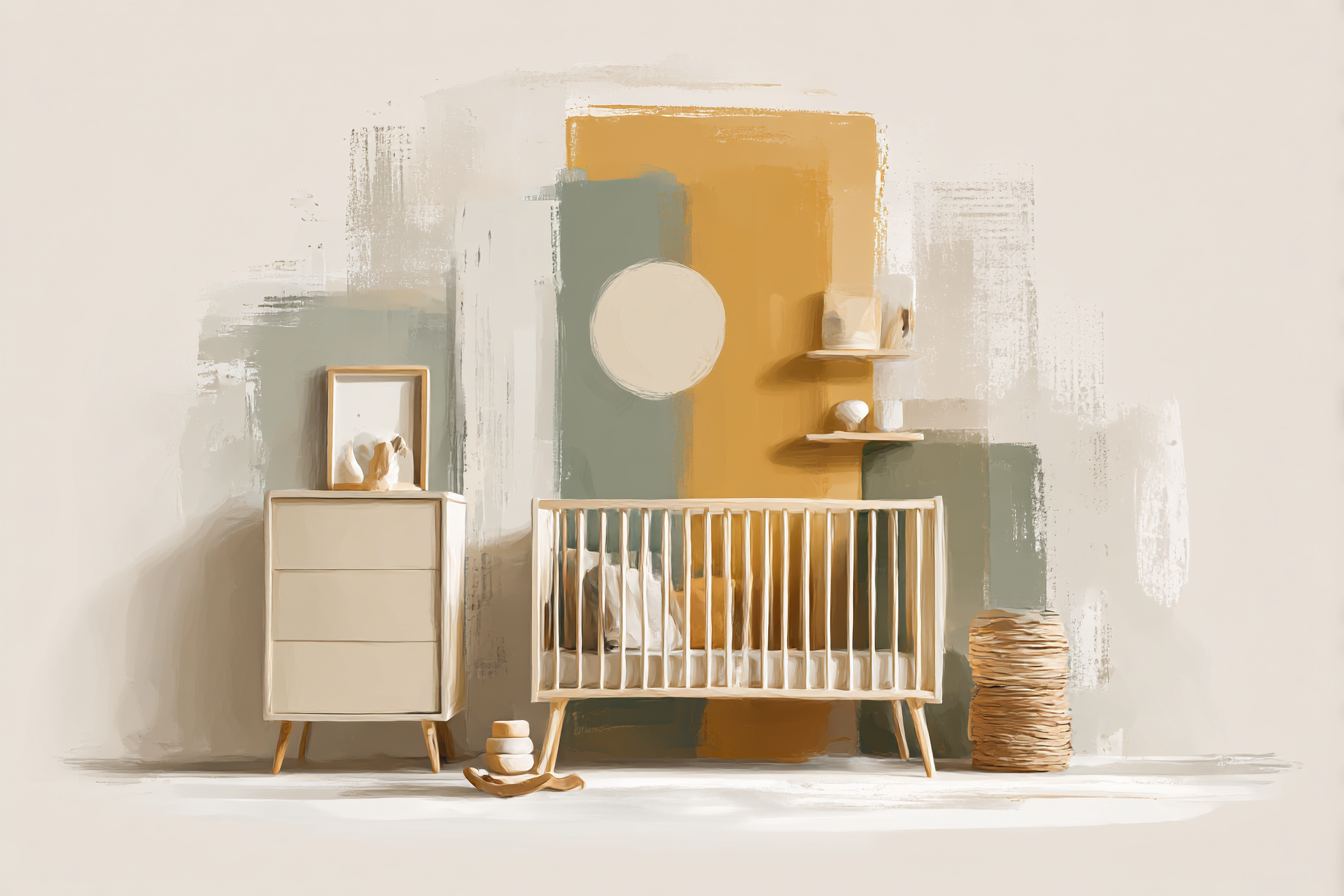
Interestingly, many Australian nursery furniture companies have embraced transparency about their materials and processes in ways that remind me of the best building material manufacturers. Pottery Barn Kids Australia, for instance, provides detailed information about their wood sources, finish compositions, and safety certifications. They're not hiding behind vague marketing terms but actually explaining what goes into their products.
I was particularly intrigued by companies using reclaimed timber for nursery furniture. There's something poetic about transforming old building materials into the first furniture a child will know. But more practically, reclaimed wood has often completed its most aggressive off-gassing phases, making it potentially healthier for indoor environments. Plus, the character and story embedded in reclaimed materials creates pieces with genuine uniqueness.
The safety standards for children's furniture in Australia are actually quite rigorous, which gives me confidence as someone who's seen how poorly some international products perform under real-world conditions. Australian manufacturers must comply with strict regulations about paint lead content, structural stability, and spacing between slats or rails. These aren't suggestions – they're requirements that get tested and verified.
What surprised me most was discovering how many Australian furniture makers are incorporating traditional woodworking techniques that result in stronger, longer-lasting pieces. Hand-cut joints, solid wood construction, attention to grain direction – all techniques that were standard practice before mass production prioritized speed over quality. It's like finding builders who still understand proper craftsmanship rather than just following standardized assembly instructions.
The finish options available from local manufacturers also tend to be more thoughtful. Instead of high-gloss lacquers that look dramatic but chip easily, many offer oil-based finishes that penetrate wood fibres, providing protection while maintaining breathability. These finishes age gracefully and can be refreshed rather than completely refinished when wear becomes noticeable.
Cost is always a consideration, and yes, locally made furniture typically costs more upfront than imported alternatives.
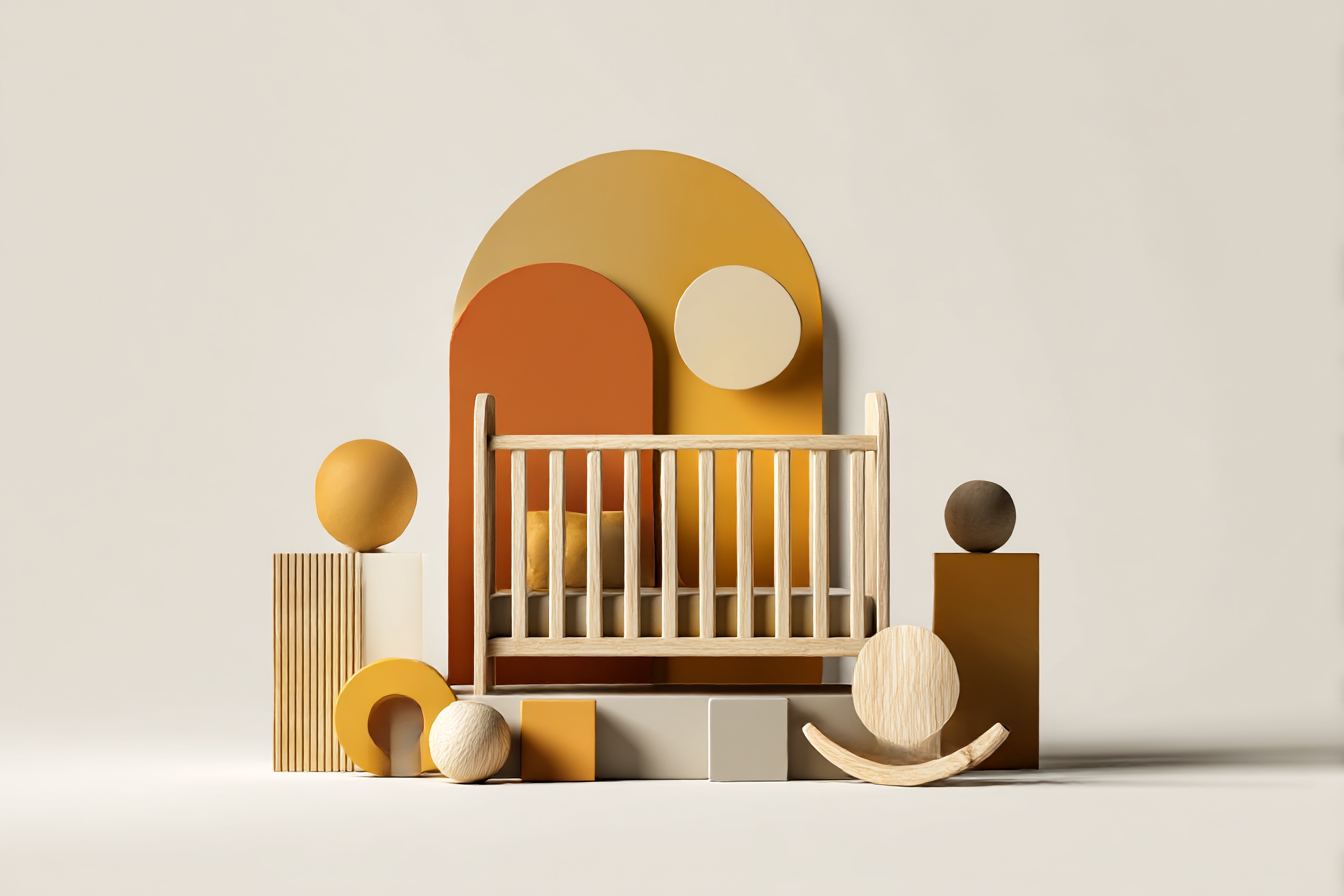
But when I calculated the lifecycle costs – durability, potential resale value, reduced environmental impact, supporting local employment – the economics become more favourable. It's the same calculation I make when recommending quality building materials that cost more initially but provide better long-term value.
The craftsmanship stories behind these companies are genuinely inspiring. Many started as family businesses with woodworkers who wanted to create heirloom-quality pieces for their own children. That personal investment shows in the attention to detail and quality control. When someone's reputation depends on furniture lasting through multiple children and potentially generations, they build differently.
Finding retailers who specialize in Australian-made nursery furniture has become easier as consumer awareness has grown. Many now highlight local manufacturing as a key selling point, understanding that parents increasingly value knowing where their children's furniture comes from and how it's made.
The shift toward sustainable, locally-made nursery furniture represents exactly the kind of market evolution I hope to see across all building-related industries. When consumers demand transparency, quality, and environmental responsibility, manufacturers respond by improving their practices. Supporting these companies isn't just about buying better furniture – it's about encouraging the kind of thoughtful, sustainable manufacturing that benefits everyone long-term.