My cousin Sarah called me last Tuesday, panic in her voice. "I'm three months pregnant and just read that my crib could poison my baby." She'd fallen down one of those terrifying internet rabbit holes about formaldehyde emissions and lead paint, and honestly? Her fears weren't entirely unfounded. After two decades of analyzing building materials and indoor air quality, I've seen enough toxic furniture to make anyone paranoid about what we're bringing into our homes.
The nursery furniture industry has this dirty little secret. While parents obsess over organic baby food and BPA-free bottles, many are unknowingly surrounding their infants with particleboard cribs that off-gas formaldehyde for months. I mean, think about it – we put our most vulnerable family members in rooms filled with the cheapest possible furniture, often made from glued-together wood scraps and finished with whatever coating keeps costs down.
I learned this the hard way when testing indoor air quality for a family in Scottsdale whose six-month-old kept having respiratory issues. The culprit?
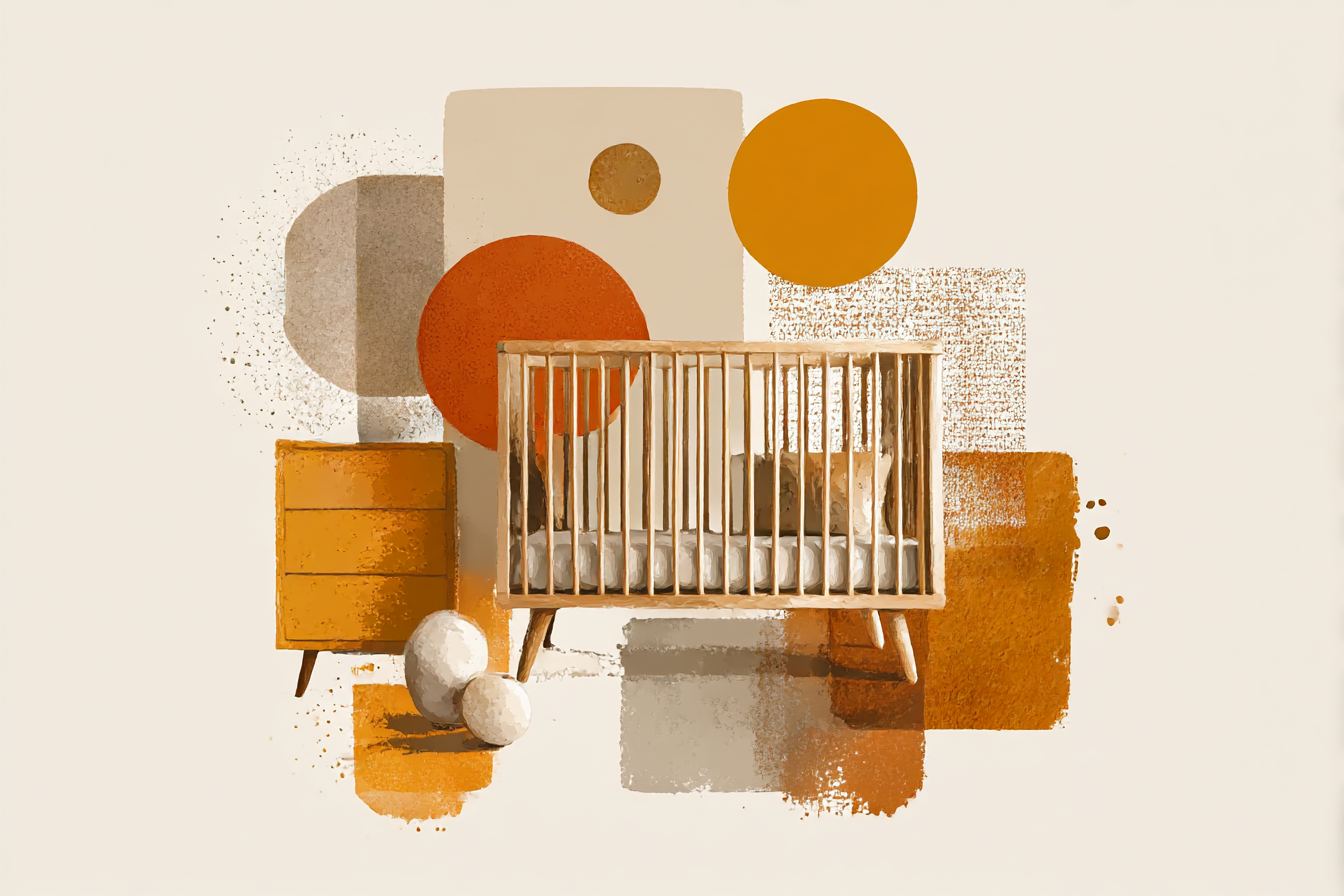
A beautiful white crib that was essentially a formaldehyde generator. The particleboard core was bound with urea-formaldehyde resin, and Arizona's heat was accelerating the off-gassing. That baby was breathing low-level toxic fumes every single night.
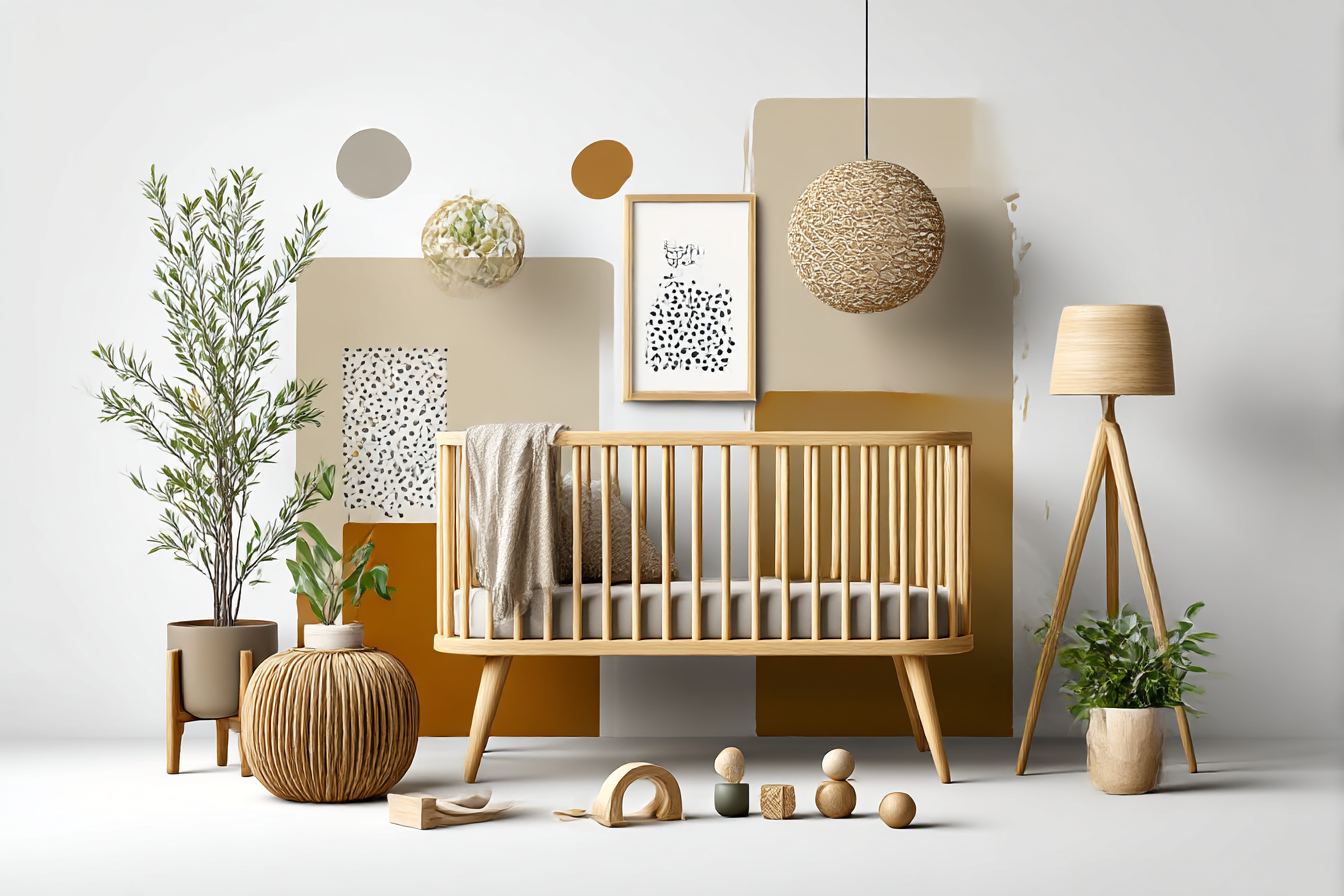
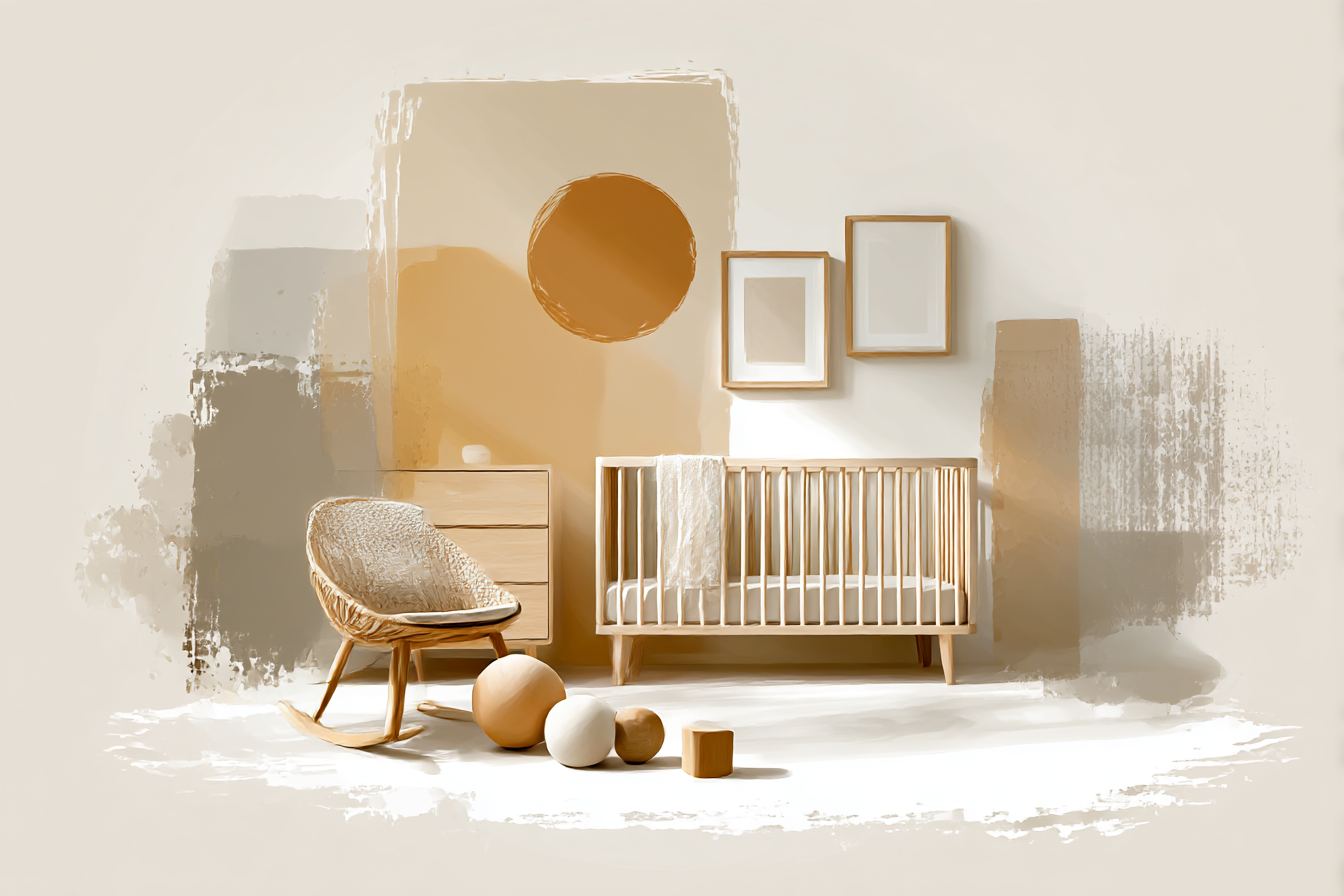
The good news is that safe nursery furniture exists. You just have to know what to look for. Real wood furniture – not veneer over particleboard, but actual solid wood – eliminates most chemical concerns. I'm talking about cribs made from maple, oak, birch, or pine that use mechanical joinery instead of toxic adhesives. Yeah, they cost more upfront, but they'll outlast three generations of kids without poisoning anyone.
When my neighbour was setting up her nursery last year, I walked her through the certification labels that actually matter. GREENGUARD Gold certification means furniture has been tested for over 10,000 chemicals and meets strict emissions standards. It's not just marketing fluff – the testing is rigorous. Furniture with this certification won't contribute to indoor air pollution, which is crucial since babies spend 90% of their time indoors during those first months.
FSC certification tells you the wood comes from responsibly managed forests, but here's what most people don't know – it also indicates better quality control throughout the manufacturing process. Companies that care enough about environmental impact to get FSC certified usually care about other aspects of product safety too.
The worst offenders in nursery furniture are those super-cheap sets you see at big box stores. I'm not trying to be a furniture snob here, but when a complete nursery set costs $299, something's wrong. That price point only works if manufacturers cut corners on materials and safety. They're using the cheapest possible particleboard, the most toxic adhesives, and finishes that prioritize appearance over health.
I tested air quality in a nursery furnished with one of these budget sets. The formaldehyde levels were three times higher than what I'd consider safe for adults, let alone infants whose respiratory and immune systems are still developing. The parents had no idea they'd created a chemical soup in their baby's room.
Changing tables present their own challenges. Most commercial ones use that same toxic particleboard construction, plus they often have plastic components that can contain phthalates and other hormone-disrupting chemicals. I always recommend solid wood changing tables with natural finishes, or even better, repurposing a regular dresser with a changing pad. It's more versatile and eliminates a lot of chemical exposure.
You Might Also Like
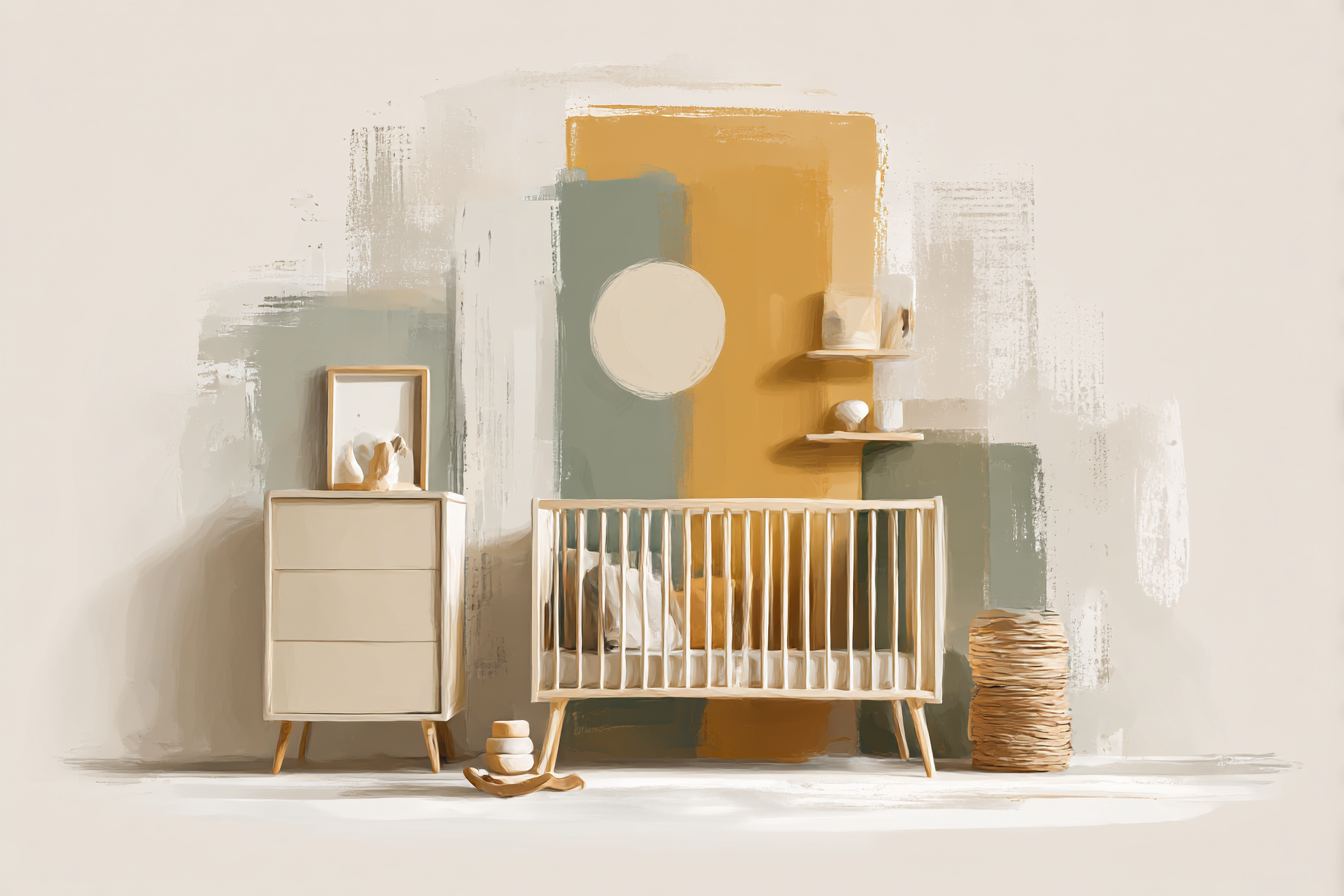
Here's something that surprised me when I started researching this topic – many "organic" and "natural" baby furniture companies aren't as clean as their marketing suggests. I've found organic cotton mattresses on frames made from formaldehyde-heavy particleboard, and "natural wood" cribs finished with conventional lacquers that off-gas for months. You really have to dig into the details.
The mattress is probably the most important piece since babies spend so much time in direct contact with it. Conventional mattresses contain flame retardants, formaldehyde, and other chemicals. Organic latex mattresses made with GOTS-certified organic cotton covers are the gold standard. They're naturally flame-resistant without chemical additives, and they provide excellent support without toxic materials.
I helped Sarah find a used solid maple crib from the 1980s on Craigslist. Sounds crazy, right? But older furniture often uses better materials and construction methods. That maple crib had zero emissions after 40 years, unlike new particleboard furniture that keeps off-gassing. We just had it professionally refinished with a low-VOC, water-based polyurethane finish. Total cost was less than a new toxic crib, and it'll last another generation.
The refinishing process matters enormously. Many furniture strippers and finishes contain methylene chloride and other nasty chemicals. Water-based finishes with low or zero VOC content are essential. I've seen parents spend thousands on organic cribs, then have them refinished with high-VOC lacquer that undoes all the health benefits.
Storage is another area where parents often compromise safety without realising it. Those cute nursery organizers and toy boxes are frequently made from the same toxic materials as cheap furniture. I recommend solid wood storage pieces or, if budget's tight, repurposing vintage pieces. That old cedar chest from grandma's attic is probably safer than anything new from a chain store.
Paint and finishes deserve special attention in nurseries. Even "baby-safe" paints can contain trace amounts of VOCs that off-gas in poorly ventilated rooms. I always recommend zero-VOC paints and allowing plenty of curing time before moving baby in. In Arizona's heat, I tell parents to plan at least two weeks between painting and occupancy, with good ventilation throughout.
The textile components matter too. Conventional foam padding in gliders and rockers contains flame retardants and other chemicals.
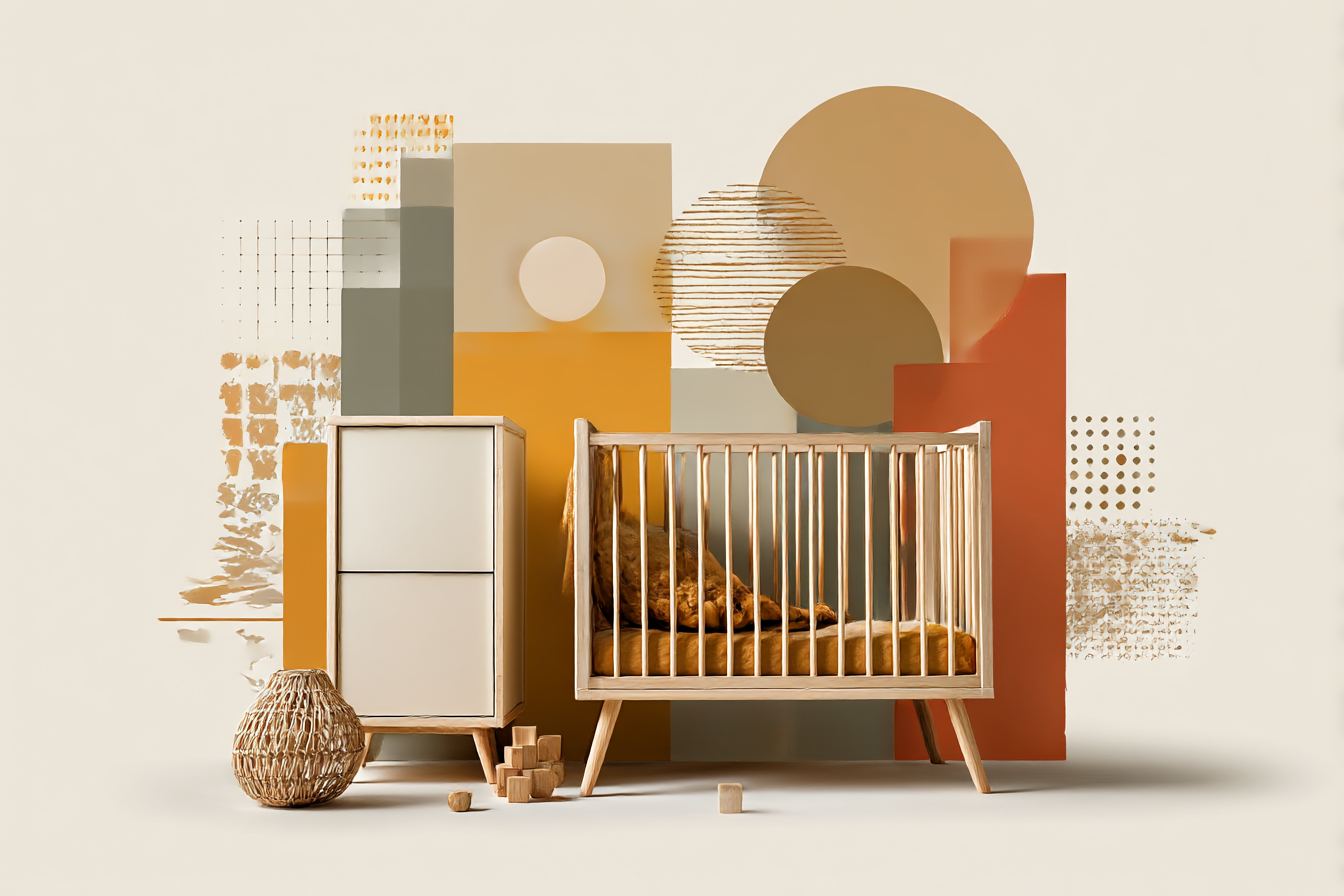
Look for furniture with natural latex or organic cotton padding. The upholstery fabric should be either untreated natural fibres or textiles certified to OEKO-TEX Standard 100, which limits harmful chemicals.
Testing your nursery's air quality isn't paranoia – it's smart parenting. You can hire professionals like me, or use home testing kits for formaldehyde and VOCs. I've found problems in nurseries that looked perfectly safe, and I've confirmed that well-chosen furniture creates genuinely healthy spaces.
Sarah's nursery turned out beautifully. That refinished maple crib, a solid oak changing table from an antique shop, and an organic latex mattress cost about the same as a new toxic furniture set. More importantly, her air quality tests came back clean. When her daughter was born, Sarah knew she'd created the healthiest possible environment for those crucial early months.
Your baby's health is worth investing in furniture that won't compromise their development. It's not about perfection or spending a fortune – it's about making informed choices that prioritize long-term health over short-term savings.