Last year, a childcare director from Honolulu called me completely out of the blue. She'd somehow found my building performance articles and figured I might know something about furniture for tropical climates. I mean, I write about insulation and passive cooling strategies, not toddler tables, but her question stuck with me: "How do we furnish a daycare that won't fall apart in this humidity while keeping kids safe from chemicals?"
Honestly, I'd never thought much about furniture in high-humidity environments. Sure, I understood how moisture affects building materials, but furniture? That was new territory. But her timing was perfect because I'd been planning a trip to visit my college roommate who'd moved to Oahu and opened a woodworking shop in Kailua.

Sometimes the universe just aligns, you know?
My buddy Marcus had been struggling with the exact issues that daycare director was worried about. He'd moved from Phoenix with all these grand plans about crafting furniture in paradise, only to discover that particleboard basically dissolves in Hawaiian air and most finishes either crack or grow mold within months. His first year was brutal. He lost thousands on pieces that looked gorgeous for about six weeks before the climate destroyed them.
"Dude, everything I thought I knew about furniture construction was wrong here," he told me while we examined a bookshelf he'd made that was literally coming apart at the joints. The wood had swelled and contracted so many times that the glue failed completely. It was like watching a slow-motion furniture explosion.
But Marcus is stubborn, which turned out to be perfect for solving tropical furniture problems. He'd spent two years testing different materials, finishes, and construction techniques specifically for Hawaii's climate. The successful pieces in his shop were fascinating from a materials science perspective. Instead of fighting the humidity, they were designed to work with it.
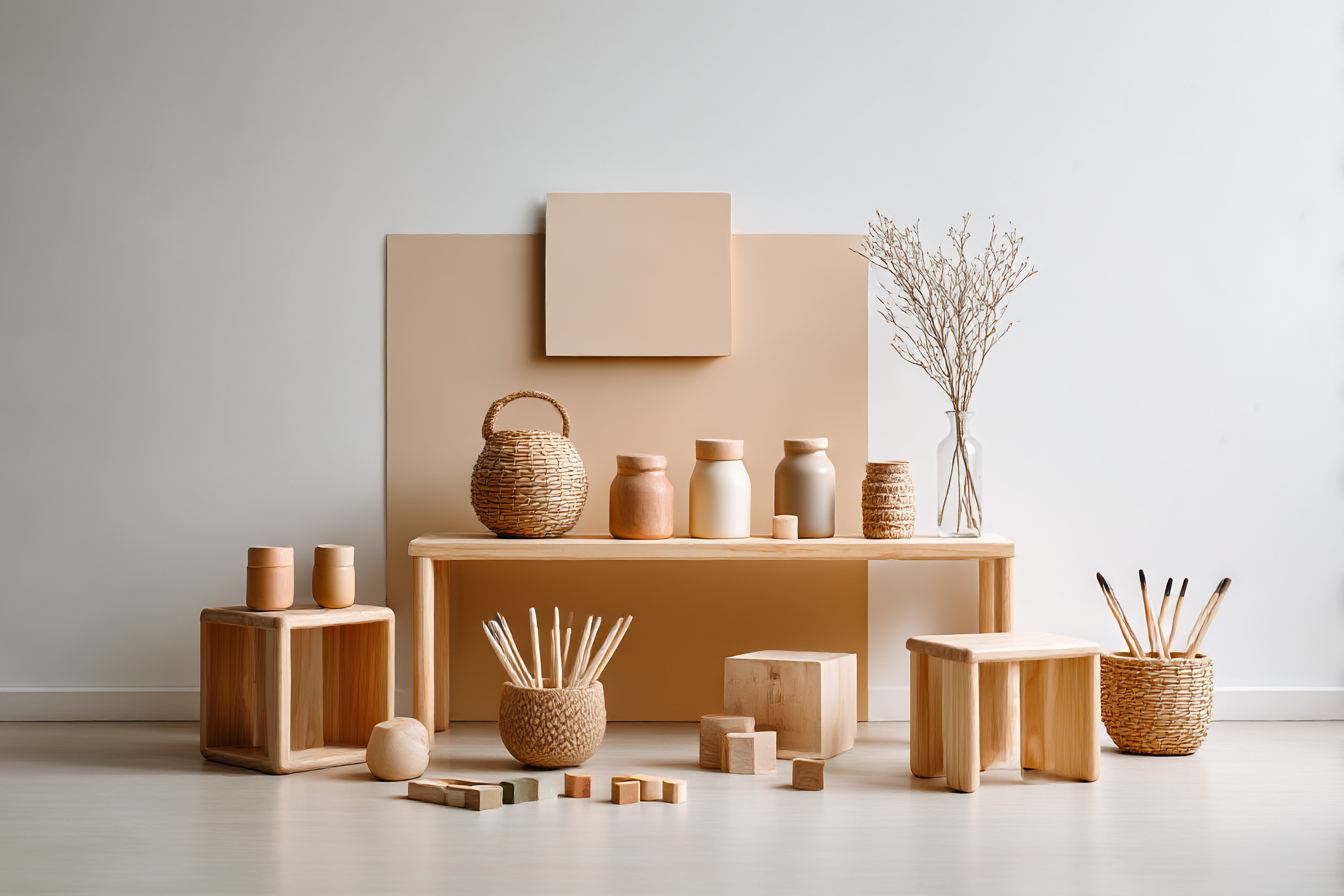
He showed me a children's table made from locally sourced koa wood with a tung oil finish that actually looked better after two years of Hawaiian weather than when it was new. The construction was all mechanical fasteners instead of glue, so joints could move without failing. Brilliant, really. The wood expanded and contracted seasonally, but the table stayed solid.
"Local daycares are my best customers now," Marcus explained. "They need furniture that survives humidity, salt air, curious toddlers, and daily cleaning with serious disinfectants. It's like designing for nuclear conditions."
That got me thinking about the specific requirements for childcare furniture in tropical climates. It's not just about durability, though that's huge. You've got safety standards, chemical emissions concerns, cleanability requirements, and cost constraints. Plus, Hawaiian daycares deal with unique challenges like volcanic fog (vog) that can accelerate material degradation.
I spent a week visiting different childcare centres around Oahu, talking to directors about their furniture struggles. Almost everyone had horror stories about mainland suppliers who promised "commercial grade" pieces that turned into moldy disasters within months. One centre in Kapolei had received beautiful-looking tables that started delaminating so badly they became splinter hazards. Another in Wahiawa discovered their supposedly "eco-friendly" shelving was outgassing formaldehyde like crazy in the heat and humidity.
The successful centres had all learned the same lesson: work with local suppliers who understand Hawaiian conditions. There's actually a pretty good network of furniture makers and suppliers on Oahu who specialize in tropical-appropriate pieces for schools and daycares.
Take Pacific Learning Environments in Honolulu, for example. They've been supplying island childcare centres for over fifteen years and have figured out exactly which materials and finishes survive Hawaiian conditions. Their play tables use marine-grade plywood cores with high-pressure laminate surfaces that can handle everything from poi spills to daily bleach cleaning. The edges are sealed with specialized compounds that prevent moisture penetration.
You Might Also Like
What impressed me most was their testing approach. They actually expose sample pieces to accelerated weathering that simulates years of Hawaiian conditions in just months. Pieces that survive their testing perform reliably in real daycare environments. It's the same kind of rigorous materials testing I do for building components, just applied to furniture.
Then there's Island Wood Design in Kailua, which focuses on solid wood pieces using only Hawaiian hardwoods and proven tropical finishes. Their approach is more traditional but equally climate-appropriate. They use woods like ohia and kukui that naturally resist moisture and insects, finished with marine varnishes that create durable, cleanable surfaces without toxic emissions.
The owner, an old-timer named Robert, explained their philosophy: "Mainland furniture companies use whatever's cheapest and hope it lasts long enough to avoid complaints. We use materials that improve with age in this climate." He showed me chairs they'd made seven years ago that looked nearly new despite constant use at a daycare in Waimanalo.
I was also surprised to discover several mainland companies that actually understand tropical furniture requirements. Herman Miller's education division, for instance, has developed specific product lines for Pacific schools that use humidity-resistant cores and antimicrobial surfaces. Their pieces cost more upfront but the total cost of ownership is actually lower because they don't need replacement every few years.
Steelcase Education has similar offerings, with metal-core construction that eliminates wood swelling issues entirely. Their surfaces are designed to withstand intensive cleaning without degrading, which is crucial for daycare environments. I watched cleaning staff at a Kapolei centre scrub down their Steelcase tables with industrial disinfectant, and the surfaces looked completely unaffected.
But here's what's really interesting from a sustainability perspective: the most environmentally responsible choice in Hawaii isn't necessarily what you'd expect. Sure, locally made furniture from Hawaiian wood has minimal transportation impact, but if that furniture lasts twenty years while mainland alternatives need replacement every three years, the local option wins dramatically on lifecycle environmental impact.
I ran some numbers with one daycare director who was comparing options for new classroom furniture. The initial cost difference between cheap mainland furniture and quality local pieces was about $3,000. But when you factor in replacement costs, cleaning maintenance, and disposal fees, the local furniture was actually cheaper over ten years. Plus, no dealing with moldy, deteriorating furniture that potentially affects indoor air quality.
The safety aspect is huge too. Furniture that's falling apart creates hazards. I saw bookshelf backs that had delaminated into sharp edges, table surfaces that were trapping bacteria in cracks, and chairs with joints so loose they were becoming unstable.
Beyond physical safety, there's the chemical exposure issue. Furniture that's designed for dry climates often uses adhesives and finishes that become problematic in high humidity and heat.
Several Oahu suppliers have started offering take-back programs where they'll refurbish and resell daycare furniture when centres upgrade. It's a smart approach that reduces waste while providing affordable options for newer or smaller centres. Marcus actually partners with three different daycares this way, maintaining their furniture in exchange for first rights to purchase when they replace pieces.
What's emerging is a local ecosystem of suppliers, craftspeople, and childcare centres working together to solve the tropical furniture challenge. It's not just about individual pieces anymore but about understanding how furniture fits into the broader goals of creating healthy, sustainable learning environments for island kids.
The key insight I took from this whole investigation? Climate-appropriate design principles apply to everything, not just buildings. Whether you're designing wall assemblies or toddler chairs, ignoring environmental conditions leads to failure. The suppliers succeeding in Hawaii understand this and design accordingly, creating furniture that enhances rather than fights the tropical climate.