
I’m sitting here drinking my morning coffee and scrolling through emails when I see another message that makes me want to laugh and cry at the same time. This woman from Phoenix – let’s call her Sarah – is planning this massive renovation and she’s completely overwhelmed trying to figure out which “eco-friendly” materials actually work. She wrote, “Everything I read sounds like marketing BS. I just want to know what won’t fall apart and won’t kill the planet.”
God, I feel this so hard. When I first started transitioning my practice toward sustainable design around 2015, I felt like I was drowning in greenwashing and fake certifications. The number of times I’ve been burned by products that claimed to be sustainable but were actually garbage… well, let’s just say I learned to do my own testing the hard way.
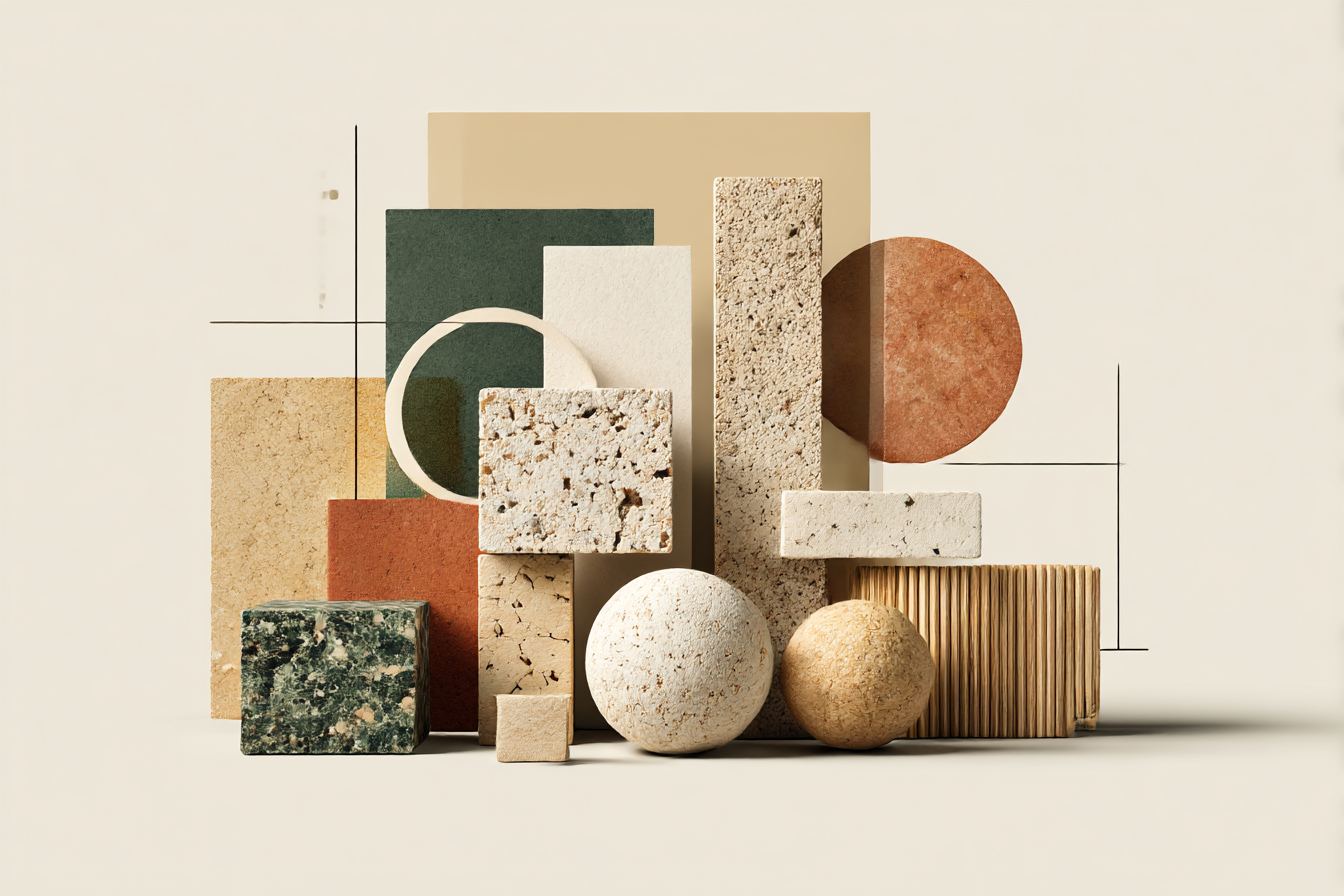
So here’s what I’ve learned after nearly a decade of specifying, installing, and living with various sustainable materials. These aren’t the materials that look good in marketing brochures – these are the ones that actually perform in real homes with real budgets and real kids spilling things on them.
Let me start with flooring because that’s where I see the most confusion. Polished concrete has become my absolute go-to, and I know what you’re thinking – concrete sounds cold and industrial and awful. But hear me out. I put polished concrete throughout my own main living areas about six years ago, and it’s been incredible. The thermal mass thing is real – it absorbs heat during our brutal Austin summer days and releases it slowly at night, which naturally moderates temperature swings. My energy bills dropped noticeably after installation, and the stuff is basically indestructible. My kids have dropped everything imaginable on it, my dogs have had accidents, and it still looks great with minimal maintenance.
The key is getting a good contractor who knows how to properly polish and seal it. I made the mistake of going with the lowest bidder on my first concrete project (a client’s kitchen), and the finish was inconsistent and started showing wear within two years. You really do get what you pay for with concrete polishing.
Cork flooring is another winner that doesn’t get enough attention. I installed it in my daughter’s room after she complained that the concrete was too cold on winter mornings. Cork comes from tree bark that regenerates without cutting down the tree, so it’s genuinely renewable. It’s naturally antimicrobial, provides good insulation underfoot, and has this warm, soft feel that’s perfect for bedrooms. The installation I did three years ago still looks perfect despite constant kid traffic.
But – and this is important – you have to buy quality cork. I tested some cheaper options from big box stores, and they started showing wear and edge lifting within eighteen months. Good cork with proper finish systems costs more upfront but lasts way longer.
Now, bamboo gets tons of press as sustainable flooring, but I’m honestly not impressed with most of what’s available. Yeah, bamboo grows fast, which sounds great, but most bamboo flooring comes from China with questionable manufacturing and huge transportation impacts. Worse, the processing often involves formaldehyde-based adhesives that can off-gas for years. I actually installed some in my home office around 2017 and ended up ripping it out six months later because of the persistent chemical smell that was giving me headaches.
For wall treatments, I’ve become obsessed with natural plaster systems. Adobe and lime plasters create these gorgeous, organic textures that you literally cannot achieve with drywall and paint. The thermal mass benefits are real too – plastered walls help moderate temperature and humidity naturally. I re-did my living room walls using local clay mixed with sand and a bit of Portland cement for durability. The colour variation and texture are subtle but alive in a way that feels completely different from flat painted walls.
Fair warning though – plastering is labor-intensive. I spent probably fifty hours over multiple weekends getting those walls right, and my shoulders felt it for days afterward. But the result is so worth it.
You Might Also Like
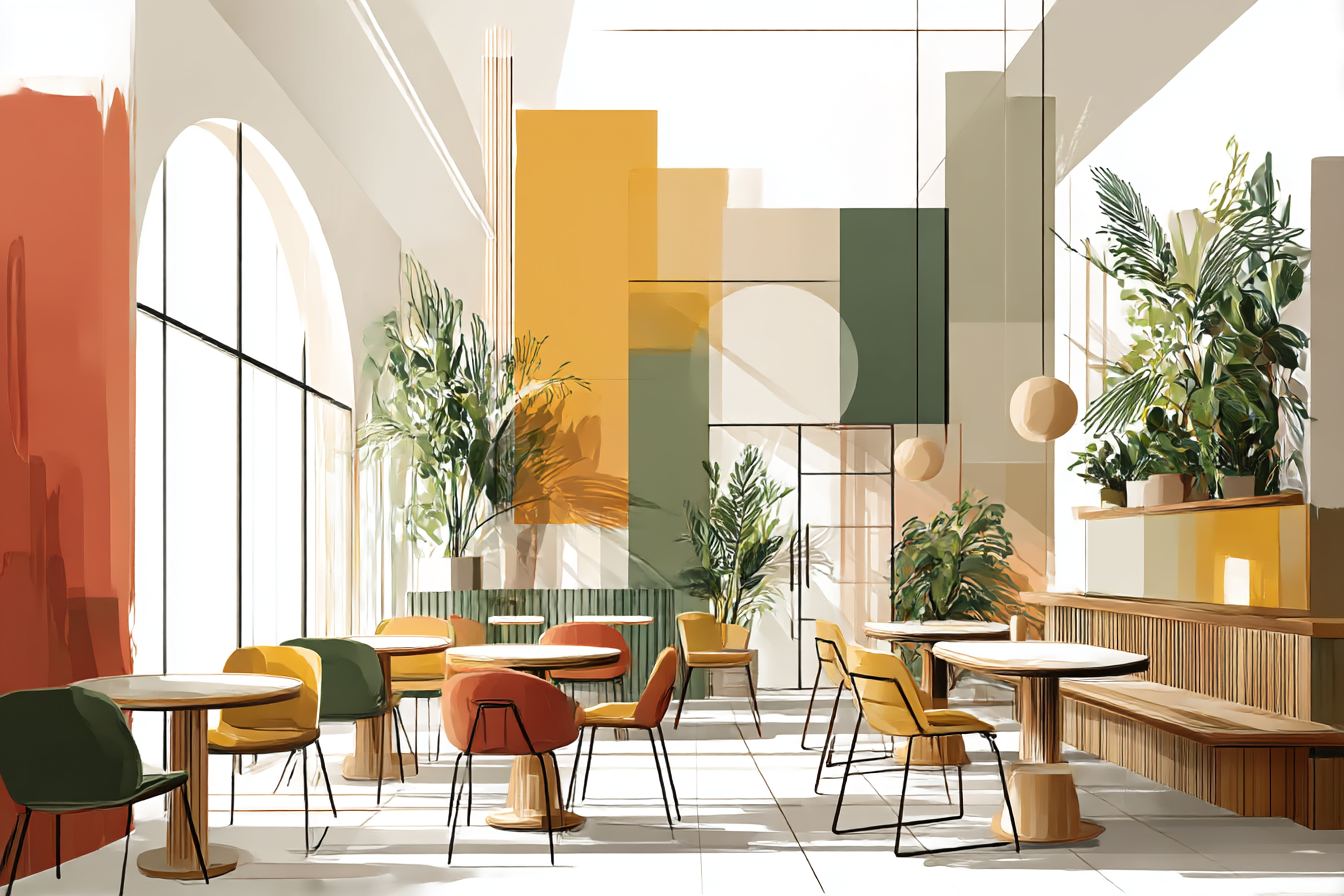
If full replastering sounds too intense, natural clay paints are an amazing compromise. These aren’t regular latex paints but actual clay-based finishes that breathe and create depth. I used American Clay in my master bedroom, and the way it subtly shifts colour throughout the day is beautiful. Plus, clay paints help regulate humidity naturally, which makes bedrooms feel more comfortable.
Reclaimed wood is something I use constantly, but sourcing is everything. I’ve built custom shelving, dining tables, and accent walls using lumber from demolished houses, old barns, and construction waste. The character is unmatched – you can’t fake the patina and grain patterns that come from decades of use. Plus, you’re keeping material out of landfills.
But quality varies enormously. I learned this lesson when I bought supposedly “reclaimed” barn wood online that turned out to be new lumber that had been artificially distressed. Real reclaimed wood often needs significant prep work – removing old nails, planing uneven surfaces, checking for pest damage. It’s more work but so worth it for the right projects.
For insulation, sheep’s wool has been a game-changer in my practice. I know it sounds weird, but it performs incredibly well. Wool naturally regulates humidity, resists fire, and provides excellent thermal performance without the health concerns of fiberglass. I used it when I converted my attic into office space, and the difference in comfort was immediate. The space stays cooler in summer and warmer in winter, plus installation doesn’t make you itchy like fiberglass does.
Cellulose insulation is another sustainable option I specify regularly. It’s made from recycled newspaper treated with boric acid for fire and pest resistance. I’ve used it in wall retrofit projects, and it consistently outperforms fiberglass while using waste material. The downside is that installation requires special blowing equipment, so it’s not a DIY project for most people.
Glass tile made from recycled bottles works beautifully for backsplashes and feature walls. I installed some in my kitchen renovation four years ago, and it still looks perfect despite daily cooking abuse. The colours stay consistent, and knowing it’s made from waste glass feels good. Just avoid the super-cheap imports – I’ve seen quality control issues with colour matching and dimensional consistency.
For countertops, recycled glass surfaces like IceStone have impressed me. I installed it in a client’s kitchen remodel last year, and she loves how it resists heat and stains while providing a unique speckled appearance. The cost is comparable to granite, but the environmental impact is much lower since you’re using waste glass instead of quarried stone.
Natural stone can be sustainable if you’re smart about sourcing. I use flagstone and sandstone from Texas and Arkansas quarries for projects when it makes sense. The key is avoiding stone shipped from distant locations – local stone performs better in our climate anyway since it’s adapted to similar conditions.
What I absolutely avoid are materials with high embodied energy and questionable health impacts. Vinyl flooring might be cheap, but it’s petroleum-based and can off-gas harmful chemicals for years. I had a client who installed luxury vinyl planks and complained about persistent odors and headaches for months. Tropical hardwoods often come from unsustainable sources and require enormous transportation energy. Synthetic carpeting harbors allergens and dust mites, then typically ends up in landfills after just a few years.

The thing is, sustainable material selection isn’t about following some perfect checklist. It’s about understanding how materials perform in your specific situation and climate. Something perfect for Minnesota might be terrible for Texas. I always consider the full lifecycle – where materials come from, how they’re manufactured, how they perform over time, and what happens when they eventually need replacement.
My biggest piece of advice? Prioritize durability over initial sustainability claims. A material that lasts thirty years with minimal maintenance is almost always more sustainable than something “green” that needs replacement every five years. Focus on performance first, then optimize for environmental impact within materials that actually work well long-term.