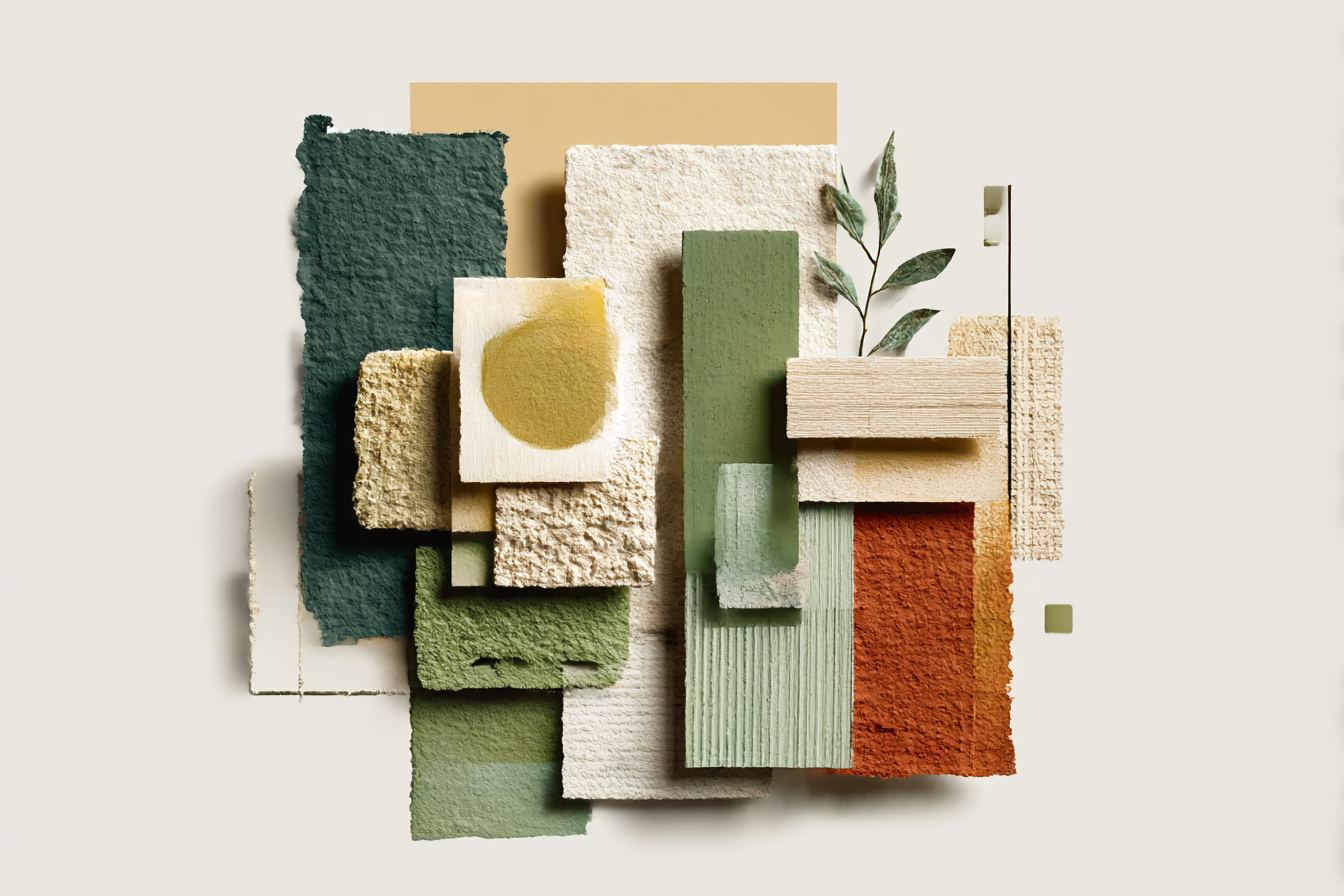
Last Tuesday morning I’m standing in this enormous warehouse outside Portland – you know the kind, concrete floors that echo and enough space to park a Boeing 747 – watching some guy on a forklift carefully stack these pallets of reclaimed heart pine flooring. The wood came from this old textile mill they tore down in North Carolina, and I swear it was the most beautiful flooring I’d seen in months. Rich patina, tight grain patterns, the kind of character you just can’t manufacture. But here’s the kicker that made me practically giddy: the price was thirty percent less than comparable new hardwood.
This right here is what drives me crazy about the building materials business. We’ve got this stubborn myth that green building costs more money.

Sometimes, yeah, it does. But honestly? More often than not, it’s the opposite. I’ve been dealing with sustainable materials for over fifteen years now – since way before it was trendy – and some of the best environmental choices are also the smartest financial ones. You just gotta know where to look and what questions to ask. And trust me, those slick marketing departments aren’t gonna tell you this stuff.
That reclaimed flooring I mentioned? Zero carbon footprint from cutting down new trees. No nasty off-gassing from fresh processing chemicals. Proven durability because it already survived a hundred years in a factory. And cheaper than new material. It’s like winning the lottery four times in a row. But good luck finding it at your local big box store.
What I’ve figured out over the years is that finding materials that save money while helping the environment means you have to completely change how you think about sourcing, timing, and what quality even means. My dad never had to think about this stuff when he ran the business – it was all about price per board foot and delivery schedules. Now I’m like a detective, tracking down deals that make both accountants and environmentalists happy.
Reclaimed materials are probably the biggest missed opportunity I see. Last year I worked on this kitchen renovation up in Seattle where we sourced all the cabinet doors from an architectural salvage place. The homeowner saved over four thousand dollars compared to new custom doors, and the character was incredible. Mid-century walnut with this warm patina that you literally cannot buy new, doesn’t matter how much money you throw at it. The catch? Took six weeks to hunt down enough matching pieces. But if you’re not in some crazy rush, the savings are substantial.
The trick with reclaimed stuff is building relationships. I keep this running list of contacts – salvage yards, demolition companies, specialty dealers – in different regions because availability is all over the map. What’s abundant here in the Pacific Northwest, like those massive Douglas fir beams or gorgeous cedar siding, might be rare and expensive down in Texas. But Texas has its own treasures, like these limestone blocks from old commercial buildings that are absolutely stunning.
Here’s something most people don’t realise: agricultural waste products often cost less than conventional materials while performing just as well, sometimes better. Cellulose insulation made from recycled newspapers typically runs 15-20% cheaper than fiberglass batts. And it performs better too – superior air sealing, better fire resistance. I’ve spec’d it on probably fifty projects over the past five years, and contractors love it once they get past thinking it’s some weird hippie product.
Rice hull insulation is another winner, at least in certain markets. Out in California, rice hulls are literally waste that farmers used to burn until air quality regulations shut that down. Someone figured out how to process them into insulation panels, creating this high-performance product from what would otherwise be agricultural trash. Costs less than foam boards, handles moisture better, completely non-toxic. But you’ve gotta source it regionally to get the cost benefits, which makes sense.
Timing makes a huge difference with this stuff, something I learned the hard way during my own bathroom renovation. I wanted zero-VOC paint, which typically costs about double what regular paint does. But I waited for a manufacturer rebate program and bought during an end-of-year inventory clearance. Ended up paying less than I would’ve for conventional paint, and my indoor air quality is so much better. No more headaches, no weird chemical smells, no lying awake wondering what I’m breathing.
Same principle applies across the board with sustainable materials. Cork flooring goes on sale when manufacturers introduce new patterns. Bamboo plywood gets discounted when shipping containers show up with excess inventory. Solar panel prices fluctuate seasonally. If you’re not locked into tight construction timelines, patience can save serious money. I mean, we’re talking thousands of dollars on bigger projects.
You Might Also Like

Regional materials are another goldmine for cost-effective sustainability. Every area has materials that are abundant locally but expensive to ship elsewhere. New England’s got incredible deals on stone from local quarries. Southwest has adobe and rammed earth materials for practically nothing, and they’re perfectly suited to the climate. Here in the Pacific Northwest, we’ve got amazing wood products at reasonable prices if you buy direct from mills instead of going through three different distributors who each take their cut.
I helped this client in Oregon source beautiful Port Orford cedar siding directly from a small mill about two hours away. Saved forty percent compared to retail pricing, supported a local business, got material with virtually zero transportation carbon footprint. The drive to pick it up was actually kind of fun – we made a whole day of it, stopped at this great little diner on the way back.
One thing that consistently surprises people is how often green materials actually reduce other project costs. Radiant floor heating systems use less energy than forced air, but they also eliminate ductwork completely. The installation savings on ducts often offset the higher cost of the radiant system. Plus you get better comfort and air quality. It’s like getting paid to do the right thing.
Structural insulated panels work similarly. Higher upfront material cost than stick framing, sure, but much faster installation. The labor savings can make total project cost competitive or even lower than conventional construction. And you get superior insulation performance, tighter air sealing, stronger structure. My husband’s used them on several projects and swears by them now.
I’ve noticed that contractors who understand these trade-offs become your best allies in cost-effective green building. The ones who only know conventional methods will always push back, claiming sustainable materials are too expensive or complicated. But contractors with broader experience recognise where green materials can actually save them time and money. Night and day difference.
This is why I always tell people to get multiple bids and make sure at least one contractor has experience with sustainable materials. The pricing differences can be dramatic. I’ve seen quotes for identical green roof projects range from twelve bucks per square foot to twenty-eight dollars per square foot, purely based on contractor experience and comfort level. Same project, wildly different costs.
The biggest mistake people make is falling for expensive, heavily marketed products when simpler alternatives work just as well or better. Bamboo countertops sound exotic and sustainable, but they often cost more than reclaimed hardwood counters that have better durability and more character.

Green carpet made from recycled bottles sounds great until you realise it still off-gasses synthetic chemicals and costs twice what natural wool carpet would.
My rule of thumb: if a sustainable material costs dramatically more than conventional alternatives, dig deeper into the actual benefits and see if there’s a simpler solution. Sometimes the premium is worth it for specific performance benefits. But often, you can get better environmental and financial results with less flashy choices that don’t come with fancy marketing campaigns.
The sweet spot for cost-effective green materials is usually products that solve multiple problems at once, materials that are abundant in your region, or reclaimed materials with proven durability. These aren’t always the sexiest choices – they won’t win any design awards – but they deliver real value on both environmental and economic measures. And honestly, that’s what matters for most of us dealing with actual budgets in the real world.
After all these years in this business, that’s what keeps me going: finding solutions that actually work for regular people with normal budgets, not just those showcase projects with unlimited funds and magazine photographers.



