
The smell hit me first – that unmistakable hospital cocktail of antiseptic and anxiety that seems to seep into everything. I was visiting my friend Maria after her gallbladder surgery last fall, navigating those endless beige corridors that could've been designed by someone who'd never experienced illness themselves. Fluorescent lights hummed overhead, casting that sickly pallor that makes everyone look like they need medical attention.
But when I finally found Maria's room, something was different. Instead of staring at blank walls or a mounted TV, she was gazing out at this incredible rooftop garden three floors below. Cherry trees, raised beds with herbs, even a small pond where patients in wheelchairs were feeding koi. "I swear I'm healing faster just watching those goldfinch," she told me, and honestly? She looked better than I'd expected.
That visit sparked something that's been consuming me for months now.

See, there's this quiet revolution happening in healthcare design, and most people have no idea it's even occurring. Hospitals, clinics, and care facilities across the country are literally growing into something unprecedented – spaces where healing happens through connection with the natural world, not just medical intervention.
The research behind this shift is pretty staggering. I've been diving deep into studies showing that patients with views of nature require 30% less pain medication than those staring at parking lots. Recovery times drop by an average of 2.3 days when natural light and living elements are integrated into treatment areas. Staff turnover – which costs hospitals millions annually – decreases by up to 40% in facilities that prioritize natural environments.
But here's what gets me excited: we're not talking about slapping some landscape paintings on walls and calling it good. Modern biophilic healthcare design involves living breathing ecosystems woven into the fabric of medical facilities. I visited this cancer treatment centre in Arizona last month where patients receive chemotherapy in recliners positioned around a central atrium filled with desert plants. The space stays naturally humid from transpiration, which helps combat the dry mouth and respiratory issues that often accompany treatment.
The engineering challenges fascinate me. How do you maintain sterile environments while introducing living systems? Turns out, certain plant species actually improve indoor air quality by filtering pathogens. Snake plants and peace lilies aren't just pretty – they're actively scrubbing airborne bacteria and volatile organic compounds that contribute to hospital-acquired infections.
One project I consulted on involved retrofitting a psychiatric ward with what we called "therapy gardens" – small planted alcoves positioned strategically throughout the unit. Patients gravitated toward these spaces naturally, and staff reported significant decreases in agitation and requests for anxiety medication. We used specific plant varieties known to release calming compounds into the air. Lavender, obviously, but also Japanese forest grass and certain mosses that create negative ions.
The sensory aspects run deeper than most people realise. I spent hours observing patient behavior in different environments, and the patterns are remarkable. Natural materials – wood handrails instead of plastic, stone surfaces rather than linoleum – actually slow people's heart rates. There's something primal about touching bark or rough granite that activates our parasympathetic nervous system.
Water features present unique opportunities and challenges in healthcare settings. The sound of flowing water masks institutional noise – beeping monitors, overhead pages, the constant hum of medical equipment. But water also introduces humidity control issues and potential breeding grounds for bacteria. The solutions we've developed involve closed-loop systems with UV sterilization and specific mineral balances that support both plant health and infection control.
You Might Also Like
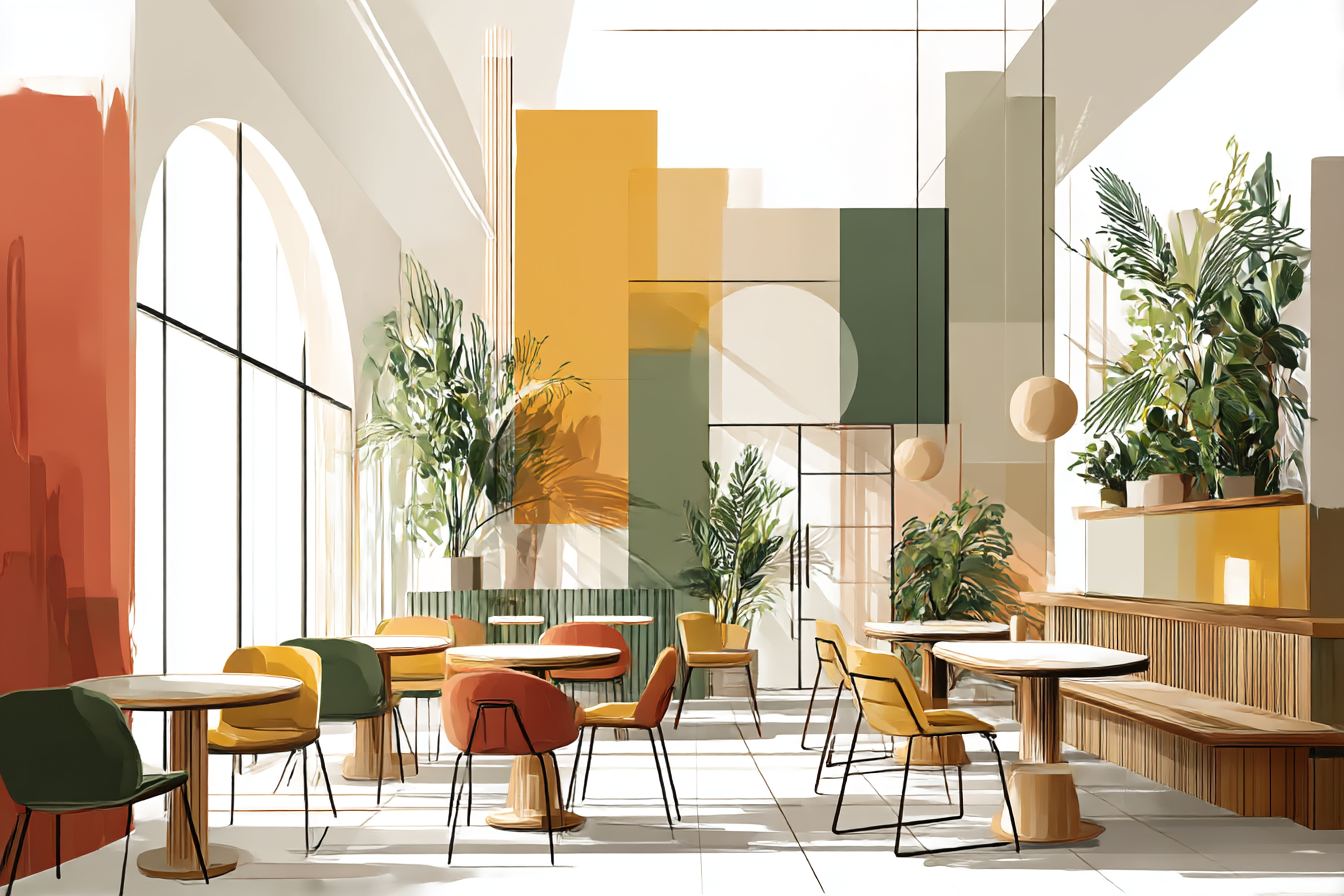
Circadian lighting represents another frontier that's gaining serious traction. Most hospitals blast patients with constant artificial illumination that disrupts natural sleep cycles exactly when the body most needs rest for healing. New facilities are installing LED systems that automatically adjust colour temperature and intensity to mirror natural daylight patterns. Patients sleep better, nurses report improved mood and alertness during night shifts, and medication errors drop.
The pediatric applications particularly move me. Children's hospitals are embracing biophilic design because kids respond so dramatically to natural elements. I worked with a team designing a NICU where the ceiling displays slow-moving projections of tree canopies and sky. Premature infants show improved weight gain and shorter hospital stays under these simulated natural conditions. Parents spending weeks beside isolettes report feeling less anxious and more hopeful.
Staff wellness has become an unexpected driving force behind these changes. Healthcare worker burnout costs the industry billions in turnover and recruitment. But facilities with integrated natural elements – staff break rooms opening onto gardens, living walls in nurse stations, skylights in surgical prep areas – retain employees longer and report higher job satisfaction scores.
The economic arguments are starting to win over hospital administrators who initially balked at "expensive landscaping." Lower medication costs, reduced length of stay, decreased staff turnover, and improved patient satisfaction scores translate to significant financial benefits. One study tracked facilities before and after biophilic renovations and found average savings of $93,000 annually per 100 beds.
Implementation isn't always smooth, though. I've seen projects derailed by infection control committees who couldn't envision plants coexisting with medical equipment. Maintenance concerns are legitimate – who tends the gardens when the head groundskeeper calls in sick? These challenges require creative solutions and sometimes compromise.
Some of my favorite projects involve adaptive reuse of existing structures.

There's this former tuberculosis sanatorium in Colorado that's been converted into a rehabilitation hospital. The original architects in the 1920s designed it around maximum natural light and outdoor air exposure – treatments we now know actually helped patients heal. The renovation preserved those biophilic elements while adding modern medical infrastructure.
Mobile biophilic interventions are gaining popularity too. Therapy carts with small ecosystems, temporary garden installations in courtyards, even "forest bathing" programs where ambulatory patients spend structured time in nearby natural areas. Not every facility can afford major architectural changes, but these smaller interventions still deliver measurable benefits.
The future looks even more integrated. Imagine MRI machines surrounded by living walls, surgical suites with skylights, recovery rooms that open directly onto healing gardens. We're designing buildings that function as both medical facilities and ecosystems, where the architecture itself contributes to wellness.
This isn't just about making hospitals prettier – it's about recognising that healing happens best when we support humans as biological beings with deep evolutionary connections to the natural world. Every time I walk through one of these transformed spaces, watching patients breathe easier and staff move with less tension, I'm reminded that sometimes the most advanced medicine involves something as simple as a view of trees.