I've been getting a lot of questions lately about whether biophilic design and sustainability are basically the same thing. Honestly, I get why people are confused – there's definitely some overlap, and both approaches seem "green" on the surface. But having worked in both spaces for years now, I can tell you they're actually quite different beasts, even though they sometimes play nicely together.
Let me tell you about a project that really drove this home for me. About two years ago, I consulted on a corporate office renovation in Portland. The facilities manager kept using "sustainable" and "biophilic" interchangeably during our initial meetings, which made me a bit twitchy. When we walked through the existing space, she proudly showed me their new energy-efficient LED lighting system, recycled carpet tiles, and low-VOC paint. "Very biophilic, right?" she asked.
<blockquote>Well, not exactly.
The space was undeniably more sustainable – lower energy consumption, reduced chemical off-gassing, materials with recycled content. But it still felt like a sterile office environment. No natural light optimization, no living elements, no connection to outdoor views. Efficient? Absolutely. Nature-connected? Not even close.</blockquote>
Here's the thing – sustainability primarily focuses on resource efficiency and environmental impact reduction. It asks: "How can we minimize harm to the planet?" Biophilic design asks a different question entirely: "How can we reconnect humans with nature to improve wellbeing?" Sometimes these goals align beautifully, but not always.
I learned this lesson the hard way during my Singapore stint. I was working on a residential project where the client demanded the most energy-efficient systems possible – triple-pane windows, advanced HVAC controls, high-performance insulation. Great for sustainability metrics, but those triple-pane windows completely distorted the visual connection to the lush courtyard garden we'd carefully designed. The thermal performance was stellar, but residents couldn't properly see the plants that were supposed to provide biophilic benefits.
<img class="size-full" src="http://wonkydogltd.co.uk/medium/wp-content/uploads/2026/01/im1979_biophilic_design_vs_sustainability._ultra-realistichyp_36f4ac0a-0857-4606-96a9-a1f348cf8465_0.jpg" alt="im1979_biophilic_design_vs_sustainability._ultra-realistichyp_36f4ac0a-0857-4606-96a9-a1f348cf8465_0" />
We ended up compromising with high-performance double-pane units that maintained visual clarity while still delivering decent energy efficiency. Not the most sustainable option by the numbers, but it preserved the nature connection that was central to the project's wellbeing goals.
This kind of tension shows up regularly in my work. Take living walls, for instance. I absolutely love them – the air purification, the visual connection to living systems, the way they make people feel calmer and more focused. But from a strict sustainability standpoint? They're often resource-intensive. The irrigation systems, specialized growing media, plant replacement needs, and maintenance requirements can create a pretty hefty environmental footprint.
I remember installing a moss wall system in my apartment (my poor downstairs neighbours…) and calculating the water usage. Even with a recirculating system, it used about 40% more water than I'd anticipated. Sustainable? Questionable. Biophilic? Absolutely – my stress levels noticeably decreased, and I found myself more productive working from home.
But here's where it gets interesting – sometimes biophilic design accidentally delivers sustainability benefits. Natural ventilation strategies that connect people to outdoor air movement can reduce HVAC energy consumption. Daylighting optimization that provides crucial circadian rhythm support also cuts electrical lighting loads. Green roofs that offer visual nature connections from upper floors provide insulation and stormwater management.
I've seen this happy convergence in several healthcare projects. At a pediatric clinic in Denver, we designed healing gardens that patients could view from treatment rooms. The gardens included native plant species that required minimal irrigation (sustainability win) while providing the crucial nature views that research shows reduce anxiety and pain perception in young patients (biophilic win). Sometimes you hit the jackpot.
You Might Also Like
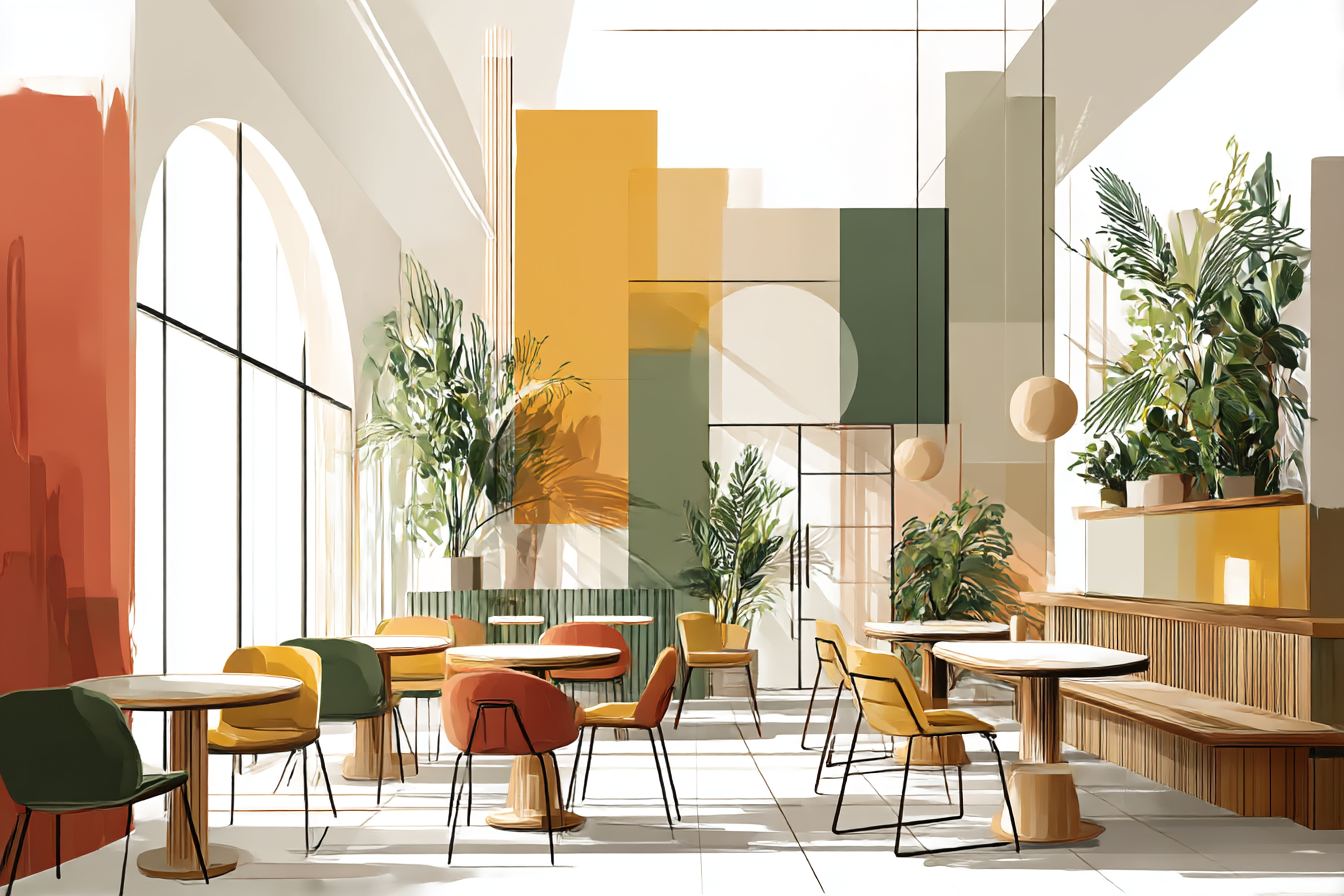
Materials present another fascinating intersection point. Sustainably sourced wood – say, FSC-certified lumber – often delivers biophilic benefits through its natural textures, scents, and visual patterns. But here's where it gets tricky: heavily processed "sustainable" materials might score well on environmental impact assessments while losing their biophilic properties entirely.
I worked with a school district that wanted to use recycled plastic lumber for their outdoor learning spaces. Environmentally responsible? Definitely – it diverted waste from landfills and required no tree harvesting. But plastic lumber lacks the sensory qualities that make wood so appealing to touch and interact with. Kids weren't drawn to these spaces the way they were to areas with natural wood elements.
We found a middle ground using reclaimed wood that required minimal processing. The material had lived previous lives as barn siding and industrial flooring, so sustainability boxes were checked through reuse rather than responsible harvesting. Plus, the weathered textures and varied grain patterns created rich sensory experiences that new lumber couldn't match.
Cost considerations often force these trade-offs. Pure sustainability approaches typically focus on lifecycle cost analysis – initial investment versus long-term operational savings. Energy-efficient systems might cost more upfront but deliver utility bill reductions over time. Biophilic interventions often provide benefits that are harder to quantify financially. How do you put a price tag on reduced employee sick days, improved student focus, or decreased patient anxiety?
I've gotten pretty good at building business cases for biophilic elements by piggyback on sustainability initiatives. When a client wants LEED certification, I point out how natural lighting strategies can earn points while delivering circadian health benefits. Green infrastructure for stormwater management? Perfect opportunity to create visible, accessible nature connections.
The measurement systems are completely different too. Sustainability metrics are usually quantitative – energy use per square foot, water consumption rates, carbon footprint calculations. Biophilic success is often measured through human responses – stress hormone levels, cognitive performance tests, self-reported wellbeing surveys. It's apples and oranges, really.
<img class="size-full" src="http://wonkydogltd.co.uk/medium/wp-content/uploads/2026/01/im1979_biophilic_design_vs_sustainability._ultra-realistichyp_36f4ac0a-0857-4606-96a9-a1f348cf8465_1.jpg" alt="im1979_biophilic_design_vs_sustainability._ultra-realistichyp_36f4ac0a-0857-4606-96a9-a1f348cf8465_1" />
This creates interesting challenges when communicating with different stakeholders. CFOs typically respond well to sustainability arguments – clear ROI calculations, regulatory compliance benefits, operational cost reductions.
But HR directors and facility managers are often more interested in biophilic benefits – employee satisfaction, retention rates, productivity improvements.
<blockquote>I've learned to speak both languages. When presenting to executive teams, I might lead with energy savings and LEED points, then layer in the human performance benefits as supporting evidence. With wellness-focused clients, I emphasize the biophilic research first and mention environmental co-benefits as bonus features.</blockquote>
The truth is, I don't think we need to choose between these approaches. My most successful projects integrate both perspectives thoughtfully. The key is understanding when they align naturally and when trade-offs are necessary, then making intentional decisions about priorities.
At the end of the day, sustainability without human wellbeing considerations creates efficient but potentially alienating environments. Biophilic design without environmental responsibility might nurture individual health while contributing to planetary degradation. But when we can marry both approaches? That's where the magic happens – spaces that both heal people and honour the earth that sustains us all.