
Three months ago, I was sitting in a neurologist's waiting room—fluorescent lights buzzing overhead, beige walls that seemed to absorb all joy from the space—when I struck up a conversation with an elderly man who'd been coming there for years. He mentioned how much calmer he felt in his doctor's new office across town, which had large windows overlooking a garden. "It's funny," he said, "but I actually look forward to those appointments now."
That casual observation stuck with me, especially given what I'd been reading in recent research literature. Turns out, his experience isn't unique—it's backed by an impressive body of scientific evidence that's been accumulating over the past decade.
<blockquote>I've been tracking biophilic design research for years now, partly because my own apartment serves as an ongoing experiment, and partly because I'm fascinated by how we're finally quantifying what many cultures have understood intuitively for centuries. The latest studies are revealing some pretty remarkable findings about how natural design elements affect our biology, productivity, and overall wellbeing.</blockquote>
Just last week, a study from Harvard's T.H. Chan School of Public Health landed in my inbox that made me actually say "wow" out loud (my cat judged me accordingly). They tracked cognitive performance in office workers across 10 different buildings over six months, measuring everything from decision-making speed to creative problem-solving abilities.

Buildings with what they called "green+" certification—incorporating living walls, natural ventilation, and circadian lighting systems—showed a 26% increase in cognitive scores compared to conventional buildings. But here's the kicker: they also measured a 30% increase in sleep quality scores among employees, even though the design interventions were only present during work hours.
This sleep connection keeps appearing in research, and honestly, it makes perfect sense when you think about our evolutionary history. A study from the University of Oregon examined how different lighting conditions affect melatonin production throughout the day. Participants working under LED systems that mimicked natural light cycles—brighter and cooler in the morning, gradually warming and dimming toward evening—showed significantly better circadian rhythm regulation than those under standard office lighting. I've been experimenting with this in my own space for about eight months now, and the difference is noticeable. I actually fall asleep easier, which anyone who knows me will tell you is a minor miracle.
<img class="size-full" src="https://biophilicflair.com/wp-content/uploads/2025/09/im1979_biophilic_design_report._ultra-realistichyper-detailed_4944018f-3aa5-49cc-b18b-8f198cce99be_0.jpg" alt="im1979_biophilic_design_report._ultra-realistichyper-detailed_4944018f-3aa5-49cc-b18b-8f198cce99be_0" />
The productivity research is equally compelling, though sometimes in unexpected ways. A tech company in Austin (I won't name them, but they're known for their quirky office culture) partnered with researchers from the University of Texas to study how biophilic elements affected different types of work. They installed living walls in some meeting rooms while leaving others unchanged, then tracked meeting outcomes over four months. Meetings in biophilia-enhanced rooms showed 15% shorter duration for decision-making processes, but—and this surprised everyone—25% longer duration for creative brainstorming sessions. People weren't getting distracted by the greenery; they were getting energized by it.
What really gets me excited, though, is the healthcare research. I've been following Dr. Roger Ulrich's work since his famous 1984 study showing that surgery patients with views of trees recovered faster than those facing brick walls. But recent studies are taking this much further. A 2023 study from Johns Hopkins examined how biophilic design elements affected patient outcomes in cancer treatment facilities. They compared traditional chemotherapy rooms with redesigned spaces featuring natural materials, living plants, and views of healing gardens.
The results? Patients in biophilic environments reported 42% less treatment-related anxiety and showed measurably lower cortisol levels during treatment. Even more striking, they had fewer treatment delays due to low white blood cell counts—suggesting that reduced stress actually supported their immune systems during treatment. When I read this, I immediately thought about that pediatric cancer centre project I'd fought for years ago, and honestly, I felt a mix of vindication and frustration that still lingers.
Mental health applications are showing equally promising results. A fascinating study from the University of Melbourne tracked depression and anxiety symptoms in office workers before and after their workplace underwent biophilic renovations. The changes weren't dramatic—they added plants, improved natural lighting, introduced water features, and used more wood and stone materials instead of synthetic finishes. Six months later, employees showed statistically significant improvements in mood assessments and reported 23% fewer sick days.
You Might Also Like
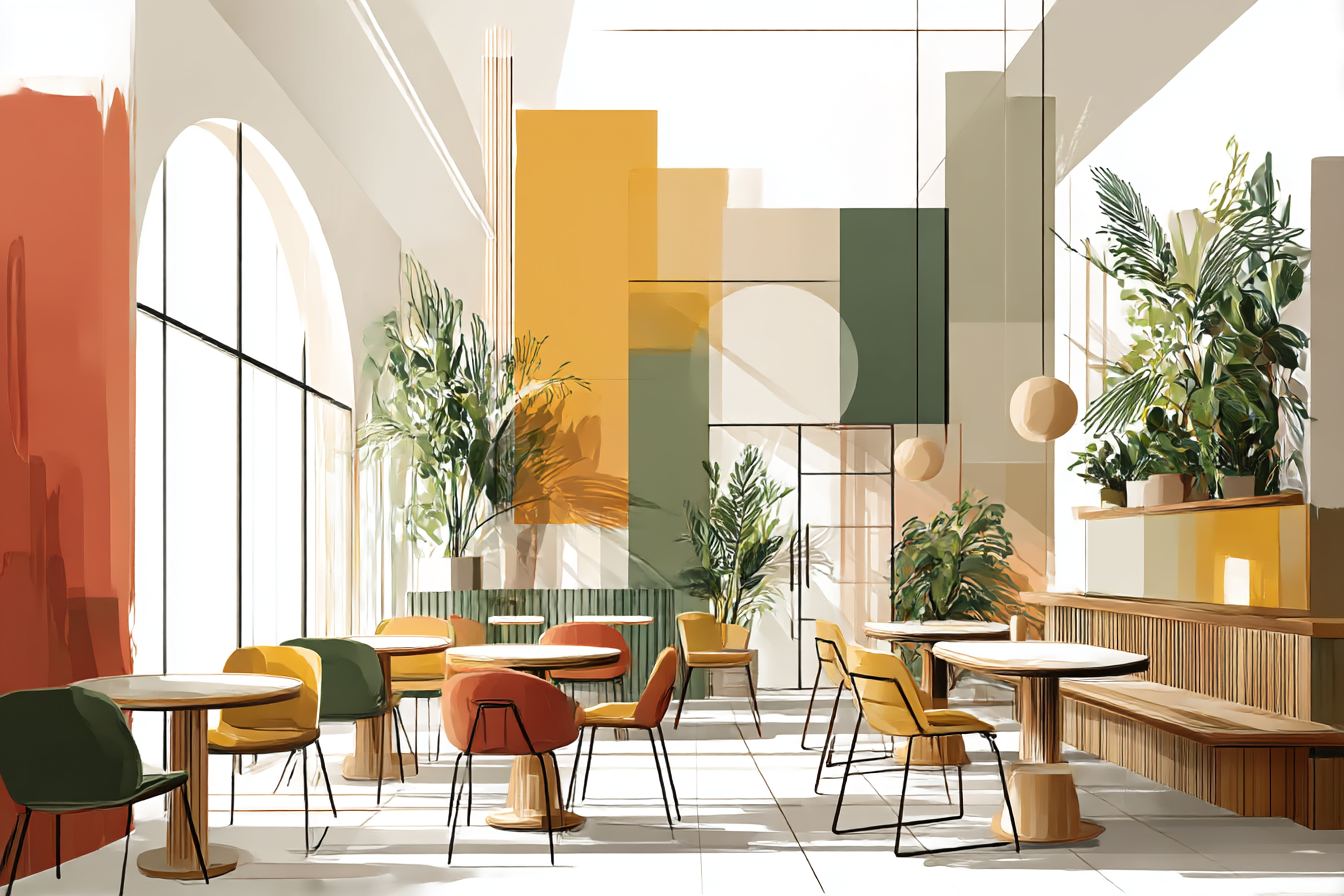
But it's not just about adding plants and calling it a day. The research is getting more sophisticated about which specific elements deliver the most benefit. A study from Carnegie Mellon broke down biophilic design into categories: direct nature contact (like plants and water features), indirect nature contact (like natural materials and views), and spatial configuration that mimics natural environments (like varied ceiling heights and curved pathways).
Turns out, the combination matters more than individual elements. Spaces with just plants showed modest improvements in air quality and mood. Spaces with just natural materials showed some stress reduction. But spaces combining all three approaches—what researchers called "integrated biophilic design"—showed the most dramatic improvements across all measured outcomes.
The air quality research alone is enough to make you rethink your space. NASA's plant studies from the 1980s get cited constantly, but recent research from the University of Georgia took this much further. They tested 28 different plant species for their ability to remove specific indoor air pollutants, measuring not just general air quality but the concentration of particular chemicals common in modern buildings.
Snake plants and spider plants (which I happen to have thriving in my bathroom) were among the top performers for formaldehyde removal. But peace lilies and English ivy showed the best results for benzene, while rubber plants excelled at removing trichloroethylene. The practical takeaway? Strategic plant selection based on your specific indoor air concerns can deliver measurable health benefits.
I've been particularly intrigued by recent research on what scientists call "attention restoration." This theory suggests that natural environments help replenish our cognitive resources after mental fatigue. A University of Michigan study tested this by having participants perform attention-demanding tasks, then exposing some to nature views and others to urban scenes. Those who viewed natural scenes for just 10 minutes showed restored attention capacity, while the urban scene group showed no improvement.
What's fascinating is that this works even with artificial representations of nature.

High-quality nature photography and realistic artificial plants showed benefits, though not quite as strong as living plants or actual nature views. This has huge implications for spaces where living elements aren't practical—think sterile medical environments or secure facilities.
<img class="size-full" src="https://biophilicflair.com/wp-content/uploads/2025/09/im1979_biophilic_design_report._ultra-realistichyper-detailed_4944018f-3aa5-49cc-b18b-8f198cce99be_1.jpg" alt="im1979_biophilic_design_report._ultra-realistichyper-detailed_4944018f-3aa5-49cc-b18b-8f198cce99be_1" />
The economic research is starting to catch up with the health findings, too. A comprehensive analysis by Human Spaces, examining workplace productivity across 16 countries, found that employees in environments with natural elements reported 15% increase in productivity and 25% improvement in comfort and wellbeing. When translated to economic terms, the productivity gains far exceeded the costs of biophilic interventions.
<blockquote>But here's what really matters to me: this research is finally giving us the tools to advocate for better spaces based on evidence rather than intuition. When I present biophilic design concepts to clients now, I'm not just talking about what "feels good"—I'm sharing data about reduced sick leave, improved cognitive performance, and faster healing times.</blockquote>
The research continues to evolve, with new studies examining everything from how fractal patterns in nature-inspired art affect brain activity to how specific scents from plants influence stress hormones. Each study adds another piece to our understanding of how profoundly our built environment affects our biology.
As someone who's spent years experimenting with these concepts in my own living space and documenting the results, I find the research validates what I've experienced firsthand. But more importantly, it's providing the evidence base needed to make biophilic design standard practice rather than an expensive luxury. That shift can't happen soon enough.



